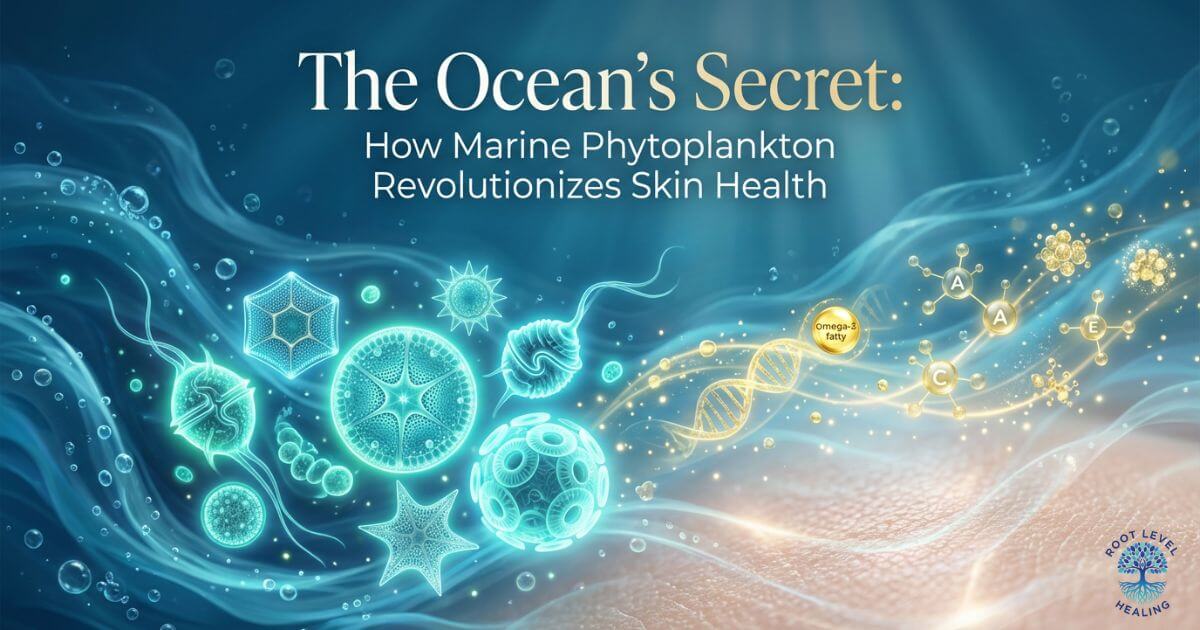
The Ocean's Secret: How Marine Phytoplankton Revolutionizes Skin Health
The ocean, a vast and mysterious realm, holds the key to life on Earth. It is home to a staggering diversity of organisms, many of which possess unique and powerful properties. Among the most remarkable of these are marine phytoplankton, microscopic, plant-like organisms that form the very foundation of the marine food web. But their power extends far beyond the ocean depths. In recent years, science has begun to unlock the incredible potential of marine phytoplankton for skin health, revealing a nutrient-dense superfood that can hydrate, firm, and protect the skin in ways that few other ingredients can.
Key Takeaways
- 🌊Ocean's Superfood: Marine phytoplankton are microscopic powerhouses packed with vitamins, minerals, amino acids, and omega-3s essential for skin health.
- 💧Deep Hydration: They strengthen the skin's moisture barrier, preventing water loss and promoting a plump, hydrated complexion.
- 🛡️Potent Protection: Rich in antioxidants, phytoplankton protect the skin from free radical damage, UV radiation, and pollution, preventing premature aging.
The Ocean's Secret: How Marine Phytoplankton Revolutionizes Skin Health (A Quick Overview)
Before we dive deep into the science, watch this quick overview to discover the ocean's secret and learn how marine phytoplankton revolutionizes skin health with its dense nutrient profile.
In This Article:
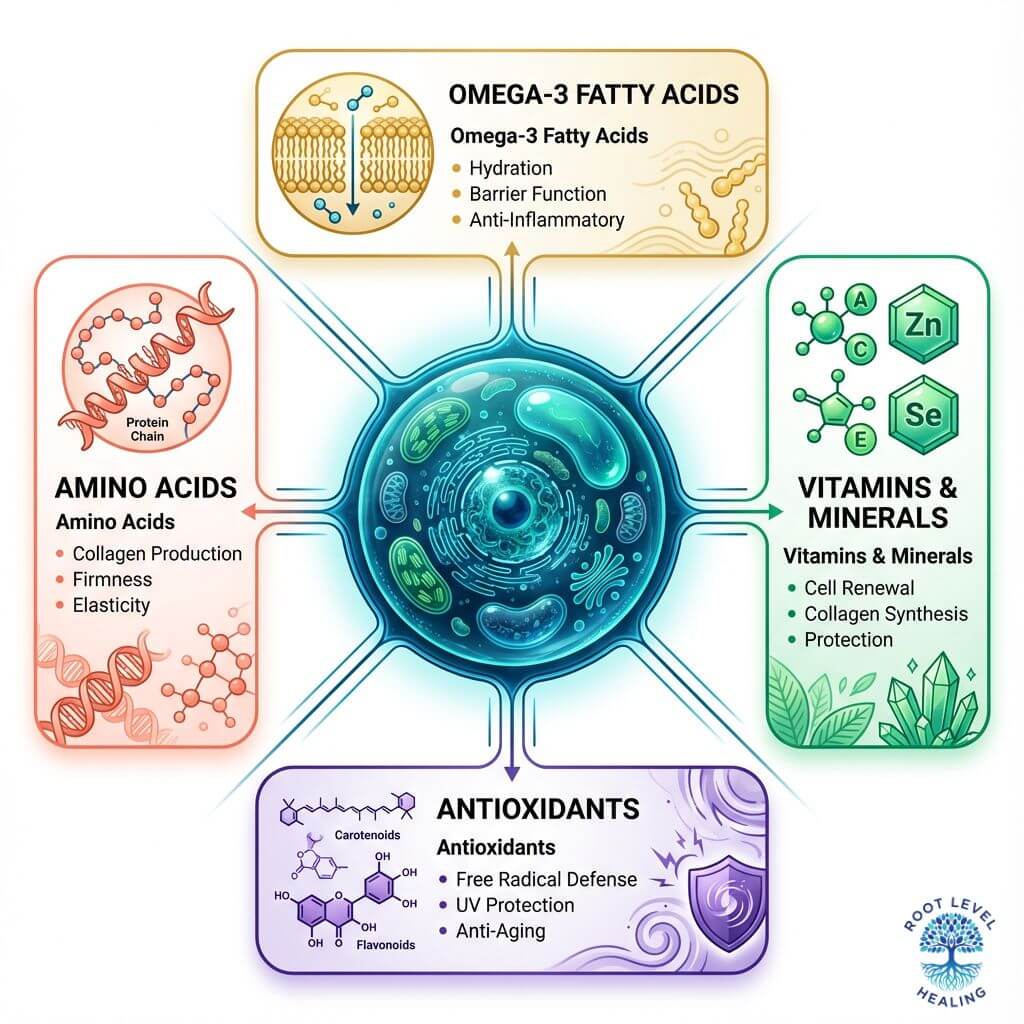
Marine phytoplankton are nature's most complete nutrient source, containing essential omega-3 fatty acids (EPA and DHA) for barrier function and anti-inflammatory effects, a full spectrum of vitamins (A, C, E, B-complex) and minerals (zinc, magnesium, selenium) that serve as cofactors for skin enzymes, powerful antioxidants like carotenoids and polyphenols for environmental protection, and all essential amino acids needed for collagen and elastin synthesis.
What is Marine Phytoplankton? The Foundation of Ocean Life
Marine phytoplankton are single-celled organisms that drift in the sunlit upper layers of the ocean. Like terrestrial plants, they use photosynthesis to convert sunlight into energy, producing an estimated 50-80% of the Earth's oxygen in the process [1]. They are, quite literally, the lifeblood of the ocean, providing the essential nutrients that sustain everything from tiny zooplankton to massive whales.
But what makes these microscopic organisms so valuable for skincare? The answer lies in their incredibly dense and diverse nutrient profile. In order to survive in the harsh marine environment, phytoplankton have evolved to produce a vast array of protective and life-sustaining compounds. These include essential fatty acids, vitamins, minerals, amino acids, and powerful antioxidants, all of which are readily bioavailable and highly beneficial for human skin.
There are thousands of species of marine phytoplankton, each with its own unique characteristics and nutrient profile. Some of the most commonly used in skincare include Tetraselmis chuii (a green microalgae), Dunaliella salina (known for its high carotenoid content), Nannochloropsis gaditana (rich in omega-3s), and Phaeodactylum tricornutum (a diatom with exceptional antioxidant properties). These species have been the subject of extensive research, revealing their potential to transform skin health from the inside out.
The bioavailability of nutrients in marine phytoplankton is particularly noteworthy. Unlike many terrestrial plant sources, where nutrients may be locked within tough cell walls, phytoplankton's cellular structure allows for easy absorption and utilization by human cells. This means that when applied topically, the beneficial compounds in phytoplankton can penetrate the skin barrier more effectively, delivering their benefits directly to the cells that need them most.
"Phytoplankton contains a lot of vitamins, minerals, and antioxidants, which could be good for your skin. For example, they are frequently high in essential fatty acids such as omega-3 and omega-6, which are known for their moisturizing and anti-inflammatory properties." [2]
A Nutrient Powerhouse: What Makes Phytoplankton a Skin Superfood?
The term "superfood" is often overused, but in the case of marine phytoplankton, it is entirely appropriate. These tiny organisms are packed with a remarkable concentration of nutrients that are essential for skin health and vitality. Let's break down some of the key components:
Omega-3 Fatty Acids: The Foundation of Skin Health
Phytoplankton are the primary source of omega-3 fatty acids in the marine food web, and these essential fats play a crucial role in skin health. Omega-3s, particularly EPA (eicosapentaenoic acid) and DHA (docosahexaenoic acid), are integral components of cell membranes. They help to maintain the fluidity and permeability of these membranes, allowing nutrients to enter cells and waste products to exit efficiently. In the skin, this translates to improved barrier function, enhanced hydration, and reduced inflammation.
The anti-inflammatory properties of omega-3s are particularly important for managing inflammatory skin conditions. By modulating the production of inflammatory mediators, omega-3s can help to calm redness, reduce irritation, and promote a more balanced, healthy complexion. This makes phytoplankton-derived omega-3s an excellent choice for those with sensitive, reactive, or acne-prone skin.
Vitamins & Minerals: Essential Cofactors for Skin Function
Marine phytoplankton contain a remarkably diverse array of vitamins and minerals, many of which are essential cofactors for enzymatic reactions involved in skin health. Vitamin A, for example, is crucial for cell differentiation and renewal, helping to keep the skin smooth and clear. Vitamin C is a powerful antioxidant and a key player in collagen synthesis, while Vitamin E protects cell membranes from oxidative damage. The B-complex vitamins support energy production and cellular metabolism, ensuring that skin cells have the resources they need to function optimally.
Minerals like zinc, magnesium, and selenium are equally important. Zinc is involved in wound healing and immune function, magnesium supports cellular energy production, and selenium is a critical component of antioxidant enzymes that protect the skin from free radical damage. The presence of these minerals in phytoplankton makes it a comprehensive source of skin-supporting nutrients.
Antioxidants: The Shield Against Environmental Damage
Perhaps one of the most compelling reasons to incorporate marine phytoplankton into your skincare routine is its exceptional antioxidant content. Living in the ocean's surface waters, phytoplankton are constantly exposed to intense UV radiation. To protect themselves, they produce a wide range of antioxidant compounds, including carotenoids (such as beta-carotene, astaxanthin, and fucoxanthin), flavonoids, and polyphenols. These compounds are incredibly effective at neutralizing free radicals, the unstable molecules that cause oxidative stress and accelerate aging.
When applied topically, these antioxidants provide a powerful defense against environmental aggressors like UV radiation, pollution, and blue light from digital screens. By preventing oxidative damage to skin cells, they help to maintain the integrity of collagen and elastin fibers, reduce the appearance of fine lines and wrinkles, and promote a more youthful, radiant complexion.
Amino Acids: The Building Blocks of Youthful Skin
Amino acids are the building blocks of proteins, and in the skin, they are essential for the synthesis of collagen and elastin, the structural proteins that give skin its firmness and elasticity. Marine phytoplankton contain a full spectrum of amino acids, including both essential and non-essential varieties. This comprehensive amino acid profile provides the raw materials that skin cells need to produce new collagen and elastin, helping to maintain a firm, supple, and youthful appearance.
In addition to their role in protein synthesis, amino acids also contribute to the skin's natural moisturizing factor (NMF), a complex mixture of compounds that helps to keep the skin hydrated and supple. By replenishing the amino acids in the NMF, phytoplankton can help to improve the skin's ability to retain moisture, resulting in a more hydrated and plump complexion.
The Proven Benefits of Marine Phytoplankton for Skin
The rich nutrient profile of marine phytoplankton translates into a wide range of tangible benefits for the skin. Scientific research has begun to validate what many have long suspected: these ocean-derived ingredients have a profound impact on skin health and appearance.
1. Deep Hydration and Moisture Retention
The omega-3 fatty acids in phytoplankton help to strengthen the skin's lipid barrier, preventing transepidermal water loss (TEWL) and locking in moisture. This results in a more hydrated, plump, and supple complexion.
2. Potent Anti-Inflammatory Effects
The anti-inflammatory properties of omega-3s and other compounds in phytoplankton can help to soothe and calm irritated skin, making it beneficial for conditions like acne, eczema, and rosacea.
3. Enhanced Elasticity and Firmness
By providing the essential amino acids needed for collagen and elastin production, phytoplankton helps to improve the skin's firmness and elasticity, reducing the appearance of fine lines and wrinkles. A 2020 study published in the journal Marine Drugs found that marine plankton extracts significantly improved skin elasticity, hydration, and wrinkle depth [3].
4. Powerful Antioxidant Protection
The antioxidants in phytoplankton provide a powerful defense against free radicals generated by UV radiation, pollution, and other environmental stressors. This helps to prevent premature aging and maintain a youthful, radiant complexion.
5. Improved Skin Tone and Reduced Hyperpigmentation
The antioxidants and vitamins in marine phytoplankton can help to brighten the complexion and reduce the appearance of dark spots and hyperpigmentation. By inhibiting the production of melanin and promoting cellular turnover, phytoplankton can help to create a more even, radiant skin tone.
6. Enhanced Wound Healing and Skin Repair
The omega-3 fatty acids in phytoplankton have been shown to accelerate the skin's healing process by reducing inflammation and promoting tissue regeneration. This can be particularly beneficial for healing damaged skin, such as wounds, cuts, abrasions, and post-inflammatory hyperpigmentation from acne.
7. Protection Against Blue Light Damage
Emerging research suggests that marine phytoplankton extracts may also protect the skin from the damaging effects of blue light emitted by digital screens. This is particularly relevant in our modern world, where we are constantly exposed to blue light from computers, smartphones, and other devices. The antioxidants in phytoplankton can help to neutralize the free radicals generated by blue light exposure, preventing oxidative stress and premature aging.
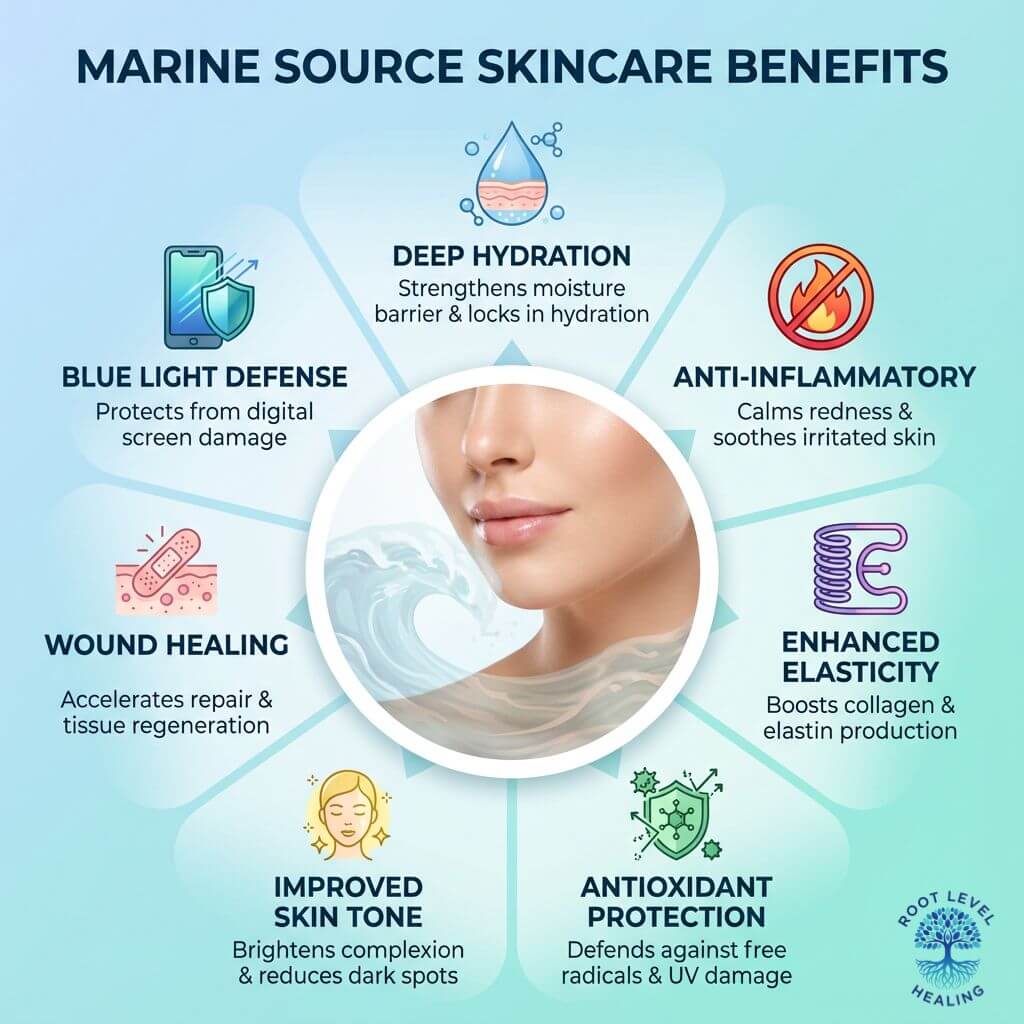
Scientific research confirms that marine phytoplankton delivers seven clinically significant skin benefits: deep hydration through strengthened lipid barrier function, potent anti-inflammatory effects for calming reactive skin, enhanced elasticity and firmness from amino acid-driven collagen synthesis, powerful antioxidant protection against UV and pollution damage, improved skin tone and reduced hyperpigmentation, accelerated wound healing and tissue repair, and emerging evidence of protection against blue light damage from digital screens.
Choosing Phytoplankton Skincare: What to Look For
As the benefits of marine phytoplankton become more widely known, an increasing number of skincare products are incorporating these powerful ingredients. When choosing a phytoplankton-infused product, it's important to look for a few key things:
- High-Quality Sourcing: Look for brands that use sustainably sourced, high-quality phytoplankton extracts.
- Potent Formulations: Ensure that phytoplankton is listed high on the ingredient list, indicating a meaningful concentration.
- Synergistic Ingredients: Phytoplankton works best when combined with other beneficial ingredients, such as hyaluronic acid, which can further enhance its hydrating and anti-aging effects.
The unique combination of phytoplankton and hyaluronic acid is particularly powerful. While phytoplankton provides the essential nutrients and protective compounds, hyaluronic acid acts as a humectant, drawing moisture into the skin and amplifying the hydrating effects of the phytoplankton. This synergistic duo is the foundation of our next exploration, where we will dive deep into the science of hyaluronic acid and its role as the ultimate hydration hero.
Understanding Different Phytoplankton Species
Not all phytoplankton are created equal. Different species offer different benefits, and understanding these differences can help you choose the right product for your specific skin concerns. For example, Tetraselmis chuii is particularly rich in proteins and amino acids, making it excellent for supporting collagen synthesis and skin firmness. Dunaliella salina, on the other hand, is known for its exceptionally high carotenoid content, particularly beta-carotene, which provides powerful antioxidant protection and can help to improve skin tone.
Nannochloropsis gaditana is a rich source of EPA omega-3 fatty acids, making it particularly beneficial for anti-inflammatory effects and barrier function support. Phaeodactylum tricornutum, a diatom, contains unique compounds like fucoxanthin, a carotenoid with potent antioxidant and anti-inflammatory properties. When choosing a phytoplankton skincare product, look for formulations that specify the species used, as this can give you insight into the specific benefits you can expect.
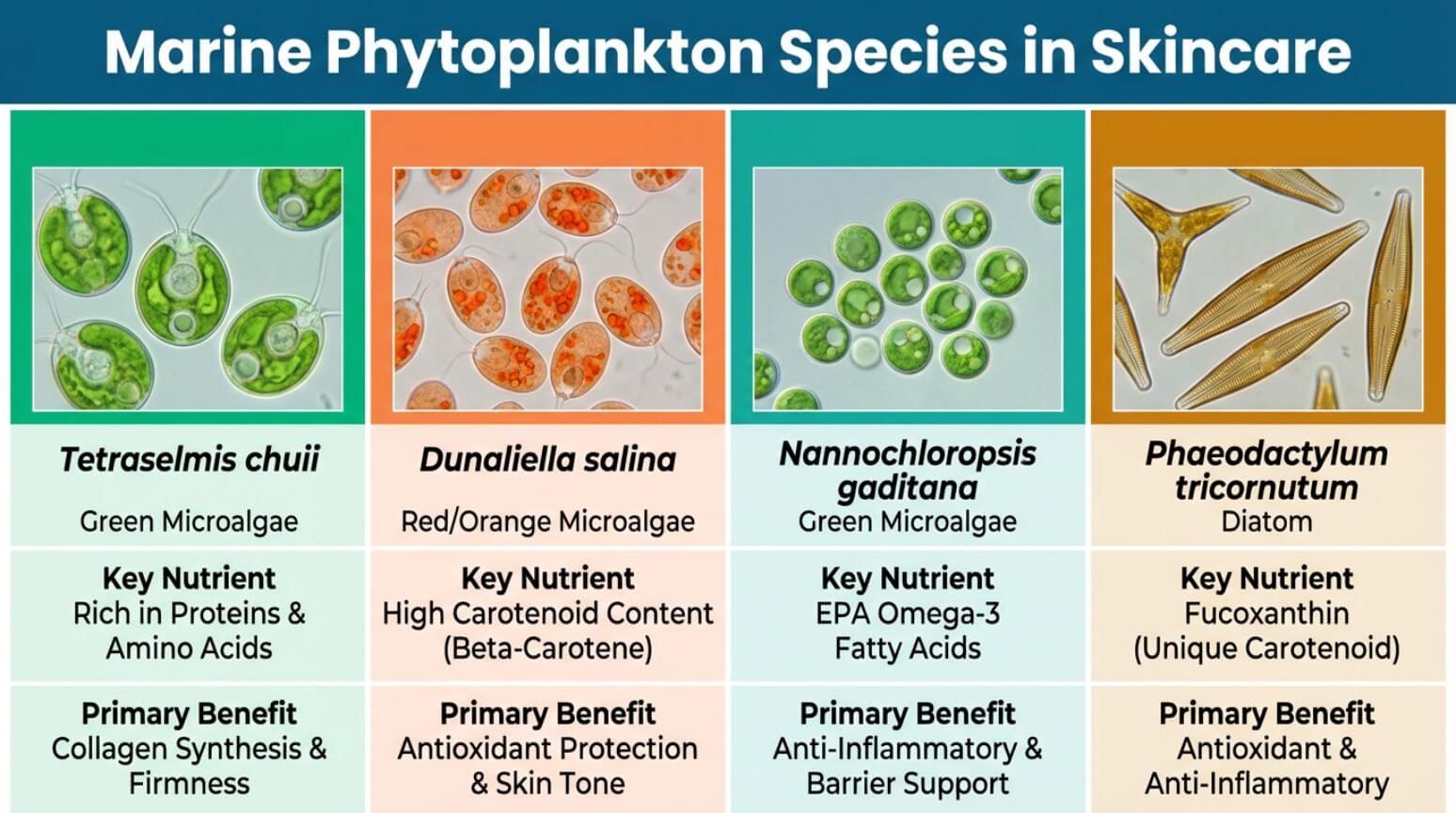
Different marine phytoplankton species offer distinct skincare benefits based on their unique nutrient profiles. Tetraselmis chuii excels in proteins and amino acids for collagen support, Dunaliella salina provides exceptional carotenoid content for antioxidant protection and skin tone improvement, Nannochloropsis gaditana is rich in EPA omega-3s for anti-inflammatory and barrier benefits, while Phaeodactylum tricornutum contains fucoxanthin and other unique compounds with potent antioxidant and anti-inflammatory properties.
The Importance of Sustainable Sourcing
As the demand for marine ingredients in skincare grows, it's crucial to consider the environmental impact of phytoplankton harvesting. Look for brands that prioritize sustainable sourcing practices, such as cultivating phytoplankton in controlled environments rather than harvesting from wild populations. This not only protects marine ecosystems but also ensures a consistent, high-quality supply of phytoplankton extracts.
Many reputable brands are now using closed-loop cultivation systems that allow them to grow phytoplankton in a controlled, sustainable manner. These systems use renewable energy sources and minimize waste, making them an environmentally responsible choice. By choosing products from brands that prioritize sustainability, you can enjoy the benefits of marine phytoplankton while also supporting the health of our oceans.
Frequently Asked Questions
Q: What exactly is marine phytoplankton?
A: Marine phytoplankton are microscopic, single-celled organisms that live in the ocean. They are the foundation of the marine food web and are incredibly rich in nutrients that are beneficial for skin health.
Q: How does phytoplankton benefit the skin?
A: Phytoplankton provides a wide range of benefits, including deep hydration, anti-inflammatory effects, enhanced elasticity and firmness, and powerful antioxidant protection against environmental damage.
Q: Is phytoplankton suitable for all skin types?
A: Yes, phytoplankton is generally well-tolerated by all skin types, including sensitive skin. Its anti-inflammatory properties can be particularly beneficial for those with reactive or irritated skin.
Q: How does phytoplankton compare to other antioxidants like Vitamin C?
A: While Vitamin C is a powerful antioxidant, phytoplankton offers a broader spectrum of nutrients, including omega-3 fatty acids, vitamins, and minerals, in addition to its antioxidant properties. This makes it a more comprehensive ingredient for overall skin health.
Q: Can I use phytoplankton skincare with other active ingredients?
A: Yes, phytoplankton is a gentle ingredient that can be easily incorporated into most skincare routines. It works particularly well with hydrating ingredients like hyaluronic acid.
Q: How long does it take to see results from using phytoplankton skincare?
A: While you may notice improvements in hydration and radiance within a few days, more significant results, such as improved firmness and reduced fine lines, typically become visible after 4-8 weeks of consistent use.
References

Ready to Discover Your Score?
This 2-minute quiz is the essential first step to understanding your body's current toxic load and identifying the root cause of how you feel.
Take The Toxicity QuizExplore More Articles
Dive deeper into topics like detoxification, gut health, and mental clarity on our blog. Knowledge is the key to taking control of your health.
Visit The Blog