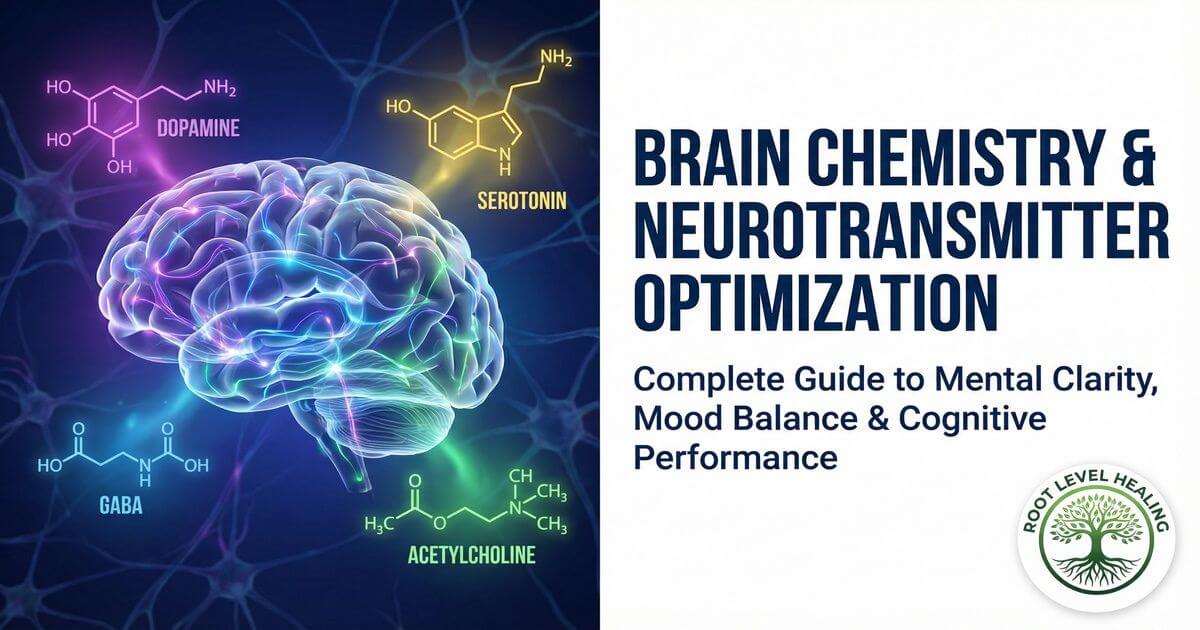
Brain Chemistry & Neurotransmitter Optimization: Complete Guide to Mental Clarity, Mood Balance & Cognitive Performance
This is your Complete Guide to Balancing Neurotransmitters, Boosting Dopamine and Serotonin Naturally, and Achieving Optimal Mental Clarity, Mood Stability, and Peak Cognitive Performance
Brain Chemistry & Neurotransmitter Optimization: Complete Guide to Mental Clarity & Mood Balance (A Quick Overview)
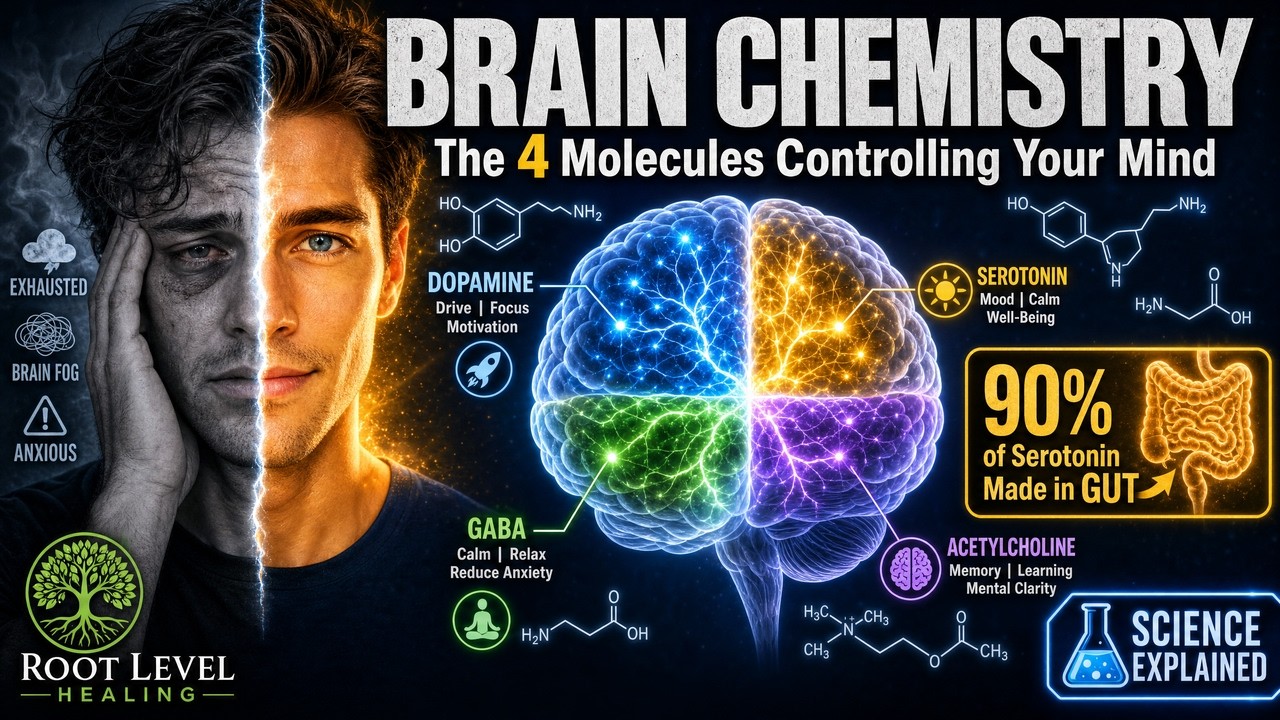
Before we dive deep into the science, watch this quick overview explaining the hidden crisis of neurotransmitter imbalance and the 4 pillars of brain chemistry optimization.
In This Guide
- The Hidden Crisis of Brain Chemistry Imbalance
- What is Brain Chemistry & Why It Matters
- 10 Warning Signs of Neurotransmitter Imbalance
- What Damages Your Brain Chemistry?
- The 4 Key Neurotransmitters
- Lion's Mane & Neurogenesis: Rebuilding the Brain
- How to Test Your Brain Chemistry
- The 4 Pillars of Brain Chemistry Optimization
- The Gut-Brain-Detox Connection
- Your 4-Week Brain Chemistry Reboot Action Plan
- Frequently Asked Questions
- Complete Resource Library
The Hidden Crisis of Brain Chemistry Imbalance
In our fast-paced, high-stress world, a silent epidemic is compromising our mental and emotional well-being. Millions suffer from a constellation of debilitating symptoms: persistent anxiety, crippling depression, pervasive brain fog, and an inability to focus. While these issues are often treated as separate psychological disorders, they frequently share a common root cause: imbalanced brain chemistry. Your mood, motivation, memory, and mental clarity are all orchestrated by a delicate symphony of chemical messengers called neurotransmitters. When this symphony is disrupted, the consequences can be devastating.
Modern life has created a perfect storm for neurotransmitter dysregulation. Environmental toxins, nutrient-deficient diets, chronic stress, gut dysfunction, and heavy metal exposure systematically sabotage the very molecules that govern our mental and emotional states. Conventional medicine often addresses these symptoms with medications like SSRIs or stimulants, which can provide temporary relief but rarely address the underlying biochemical imbalances. This approach is like trying to fix a flickering light by repeatedly flipping the switch, without ever checking the faulty wiring.
This comprehensive guide offers a different path—a root cause approach to restoring optimal brain chemistry. We will delve into the science of neurotransmitter function, uncover the primary threats that disrupt this delicate balance, and provide evidence-based protocols to naturally replenish and rebalance your brain's chemical messengers. By addressing the foundational pillars of brain health—nutrition, targeted supplementation, lifestyle optimization, and detoxification—you can reclaim your mental clarity, stabilize your mood, and unlock your full cognitive potential. This is your roadmap to hacking your brain chemistry and building a resilient, high-performance mind.
What is Brain Chemistry & Why It Matters
Brain chemistry is the intricate interplay of neurotransmitters, their receptors, and the signaling pathways that govern nearly every aspect of your cognitive and emotional life. Think of it as the operating system of your brain. When this system is running smoothly, you feel focused, motivated, and emotionally balanced. When it's compromised, your entire mental world can descend into chaos.
At the heart of this system are neurotransmitters—chemical messengers that transmit signals between nerve cells (neurons). The four major neurotransmitters that play the most significant roles in mental health are:
Dopamine: The "motivation molecule," responsible for drive, focus, pleasure, and reward.
Serotonin: The "mood molecule," which regulates mood stability, sleep, appetite, and social behavior.
GABA (Gamma-Aminobutyric Acid): The "calming molecule," which acts as the brain's primary inhibitory neurotransmitter, reducing anxiety and promoting relaxation.
Acetylcholine: The "learning molecule," crucial for memory, learning, attention, and cognitive processing.
Optimal mental health depends on the delicate balance of these four key players. It's not just about having enough of each one; it's about ensuring they are produced in the right amounts, at the right times, and can effectively communicate with their corresponding receptors. This requires a symphony of biochemical processes, including the availability of nutrient precursors, the presence of essential vitamin and mineral cofactors, and a clean, low-inflammation environment.
Unfortunately, the modern world relentlessly attacks this delicate system. Nutrient-depleted foods rob our brains of the essential building blocks for neurotransmitter synthesis, such as the amino acids found in CRUSH (EAA+HMB) and the B-vitamin cofactors abundant in ReLive Greens. Chronic stress depletes our neurotransmitter reserves, while environmental toxins and heavy metals directly damage neurons and disrupt signaling pathways. Mental clarity is not just about focus—it's about the intricate interplay of neurotransmitters, cellular energy, and environmental factors. Dive deeper into the science of mental clarity to understand how toxins and nutrient deficiencies sabotage your cognitive performance. This is why a root cause approach is essential. Instead of artificially manipulating neurotransmitter levels with medications, we must provide the body with the raw materials and supportive environment it needs to restore its own natural balance. By addressing the foundational pillars of brain health, we can create lasting improvements in mood, focus, and cognitive performance.
10 Warning Signs of Neurotransmitter Imbalance
Neurotransmitter imbalances rarely manifest as a single, obvious symptom. Instead, they create a constellation of issues that can impact every area of your life. Recognizing these patterns is the first step toward identifying the specific imbalances that may be affecting you. If you experience three or more of these symptoms regularly, it's a strong indication that your brain chemistry needs support.
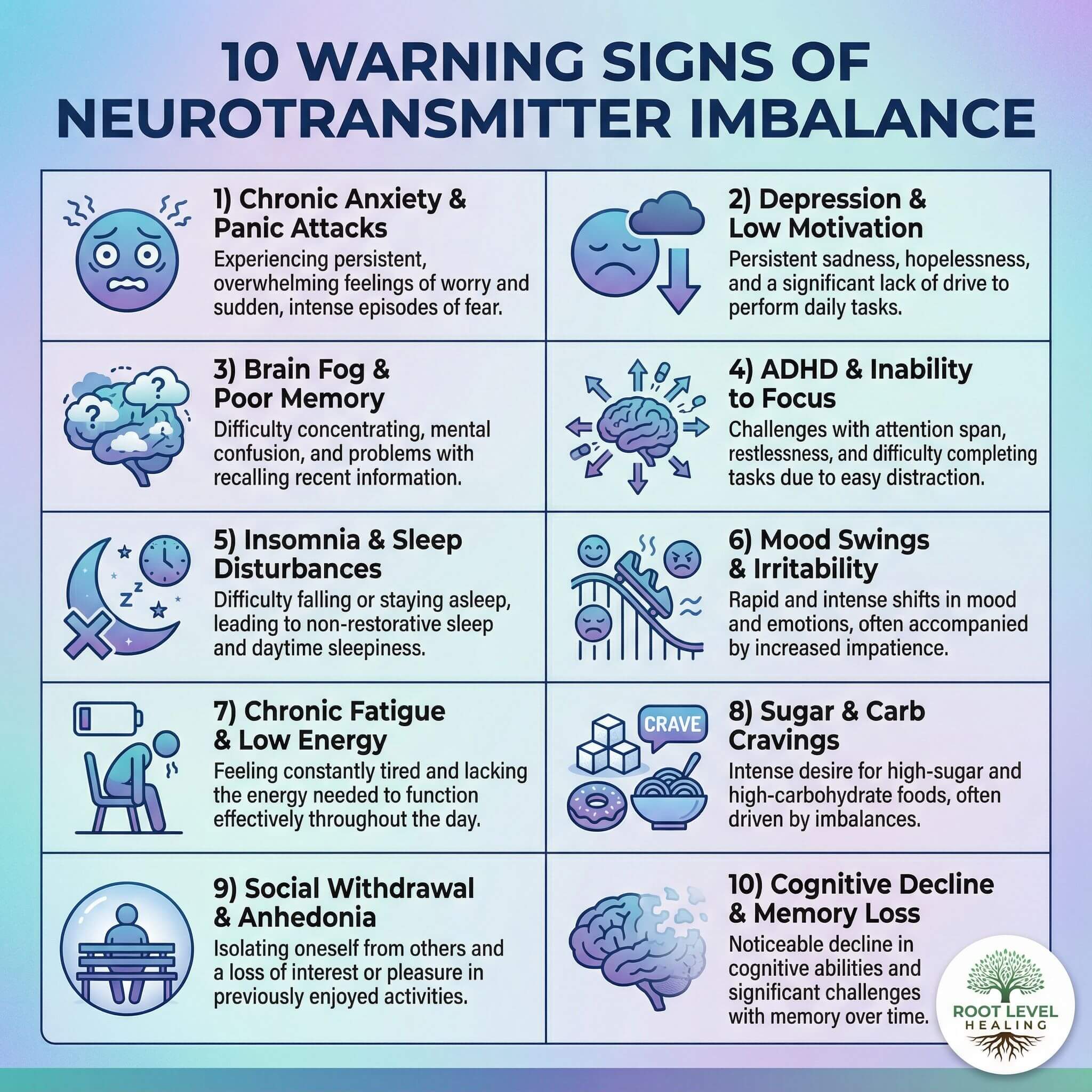
The 10 most common warning signs that your neurotransmitters are out of balance
1. Chronic Anxiety & Panic Attacks: A persistent feeling of dread, worry, or panic is a classic sign of low GABA, the brain's primary calming neurotransmitter. When GABA levels are insufficient, the brain's excitatory pathways (governed by glutamate) can become overactive, leading to a state of constant hyper-arousal. Supporting GABA production through targeted supplementation and gut health optimization can help restore calm.
2. Depression & Low Motivation: Feelings of hopelessness, apathy, and a lack of interest in previously enjoyed activities are hallmark symptoms of low dopamine and/or serotonin. Low dopamine leads to a lack of motivation and drive, while low serotonin contributes to a negative mood and emotional instability. Replenishing these neurotransmitters with amino acid precursors from CRUSH and supporting gut health with Restore can make a profound difference.
3. Brain Fog & Poor Memory: Difficulty concentrating, mental fatigue, and a feeling of being mentally "stuck" are often linked to low acetylcholine, the neurotransmitter of learning and memory. Inflammation and oxidative stress can also contribute significantly to brain fog. Brain fog is one of the most common yet misunderstood symptoms of neurotransmitter imbalance. To understand the full scope of this hidden health crisis and how it affects millions, explore our comprehensive guide to brain fog and cognitive decline. Supporting acetylcholine production with choline-rich foods and omega-3 fatty acids from KO3 Krill Oil is essential.
4. ADHD & Inability to Focus: An inability to sustain attention, impulsivity, and hyperactivity are classic symptoms of ADHD, which is strongly linked to dopamine and norepinephrine dysregulation. The brain's reward and motivation pathways are often underactive, making it difficult to stay engaged with tasks. Natural support through amino acids, B vitamins, and heavy metal detoxification with Clean Slate can help restore focus.
5. Insomnia & Sleep Disturbances: Difficulty falling asleep, staying asleep, or waking up feeling unrested can be caused by low levels of GABA and serotonin. Serotonin is a precursor to melatonin, the sleep hormone, while GABA is essential for calming the brain and initiating sleep. Optimizing these neurotransmitters through diet, supplementation, and stress management is crucial for restorative sleep.
6. Mood Swings & Irritability: Rapid and unpredictable shifts in mood are a sign of neurotransmitter volatility. When the balance between excitatory and inhibitory neurotransmitters is off, the brain struggles to maintain emotional equilibrium. Stabilizing blood sugar, supporting gut health, and ensuring adequate B vitamin intake from ReLive Greens can help smooth out these swings.
7. Chronic Fatigue & Low Energy: While often linked to mitochondrial dysfunction, chronic fatigue can also stem from low dopamine and norepinephrine, which are essential for physical and mental energy. A comprehensive approach that addresses both cellular energy and neurotransmitter balance is required.
8. Sugar & Carbohydrate Cravings: Intense cravings for sweets and starchy foods are often the brain's desperate attempt to boost serotonin levels. Carbohydrates facilitate the entry of tryptophan (the precursor to serotonin) into the brain. Addressing the underlying serotonin deficiency can help curb these cravings naturally.
9. Social Withdrawal & Isolation: A lack of desire to interact with others can be a sign of low dopamine (lack of reward from social interaction) or low oxytocin (the bonding hormone). Restoring neurotransmitter balance can help reignite the desire for social connection.
10. Cognitive Decline & Slower Processing: As we age, neurotransmitter production naturally declines, but accelerated cognitive decline is often a sign of neuroinflammation, oxidative stress, and depleted acetylcholine. Proactive support with omega-3s, antioxidants, and targeted amino acids can help preserve cognitive function.
What Damages Your Brain Chemistry?
To optimize your brain chemistry, you must first understand what is destroying it. The modern lifestyle is fraught with hidden neurotoxins and stressors that systematically dismantle neurotransmitter production and signaling.
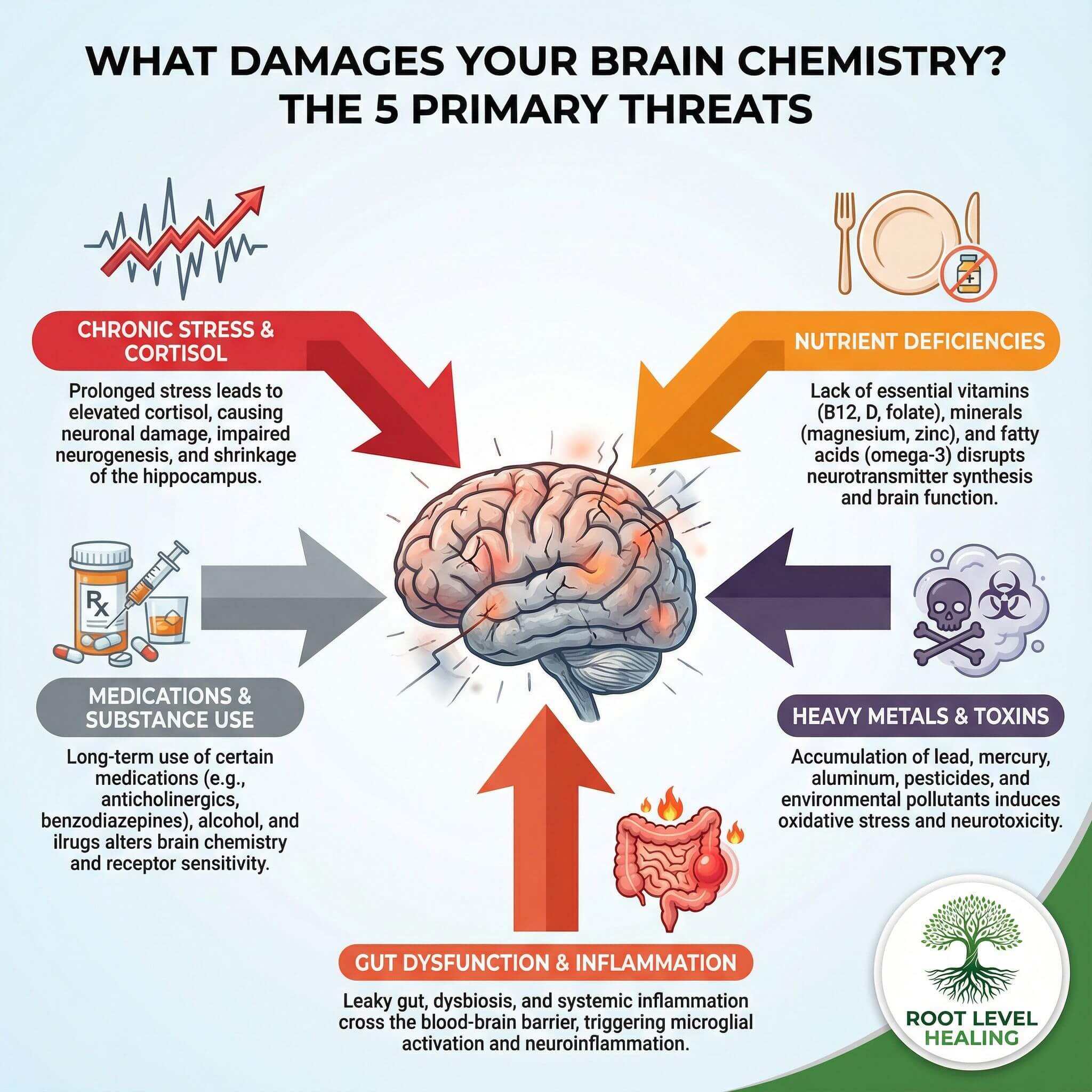
The primary modern threats that disrupt neurotransmitter balance and brain function
1. Nutrient Depletion: The Standard American Diet (SAD) is woefully deficient in the essential amino acids, B vitamins, and minerals required to synthesize neurotransmitters. Without these raw materials, your brain simply cannot produce enough dopamine, serotonin, or GABA. This is why the perfect storm of cellular stress and nutrient depletion is so devastating to mental health.
2. Heavy Metal Toxicity: Heavy metals like mercury, lead, and aluminum are potent neurotoxins. They cross the blood-brain barrier, generate massive oxidative stress, damage neurons, and directly interfere with neurotransmitter receptors. Mercury, for example, has been shown to inhibit the binding of dopamine and serotonin to their receptors. This is why heavy metal detoxification is a non-negotiable step in restoring brain health.
3. Gut Dysfunction & Dysbiosis: The gut-brain axis is a bidirectional communication highway. An astonishing 90% of your body's serotonin is produced in the gut. When the gut microbiome is imbalanced (dysbiosis) or the gut lining is compromised (leaky gut), neurotransmitter production plummets, and systemic inflammation travels straight to the brain, causing neuroinflammation and brain fog.
4. Chronic Stress & High Cortisol: Prolonged stress keeps cortisol levels elevated, which literally shrinks the hippocampus (the brain's memory center) and depletes serotonin and dopamine reserves. Chronic stress also impairs the conversion of amino acids into neurotransmitters.
5. Environmental Toxins & Endocrine Disruptors: Pesticides, herbicides (like glyphosate), plastics (BPA), and synthetic fragrances act as endocrine disruptors and neurotoxins, interfering with hormone balance and neurotransmitter signaling.
6. Sleep Deprivation: Sleep is when the brain cleanses itself of metabolic waste (via the glymphatic system) and consolidates memories. Chronic sleep deprivation impairs neurotransmitter receptor sensitivity and reduces the production of new neurotransmitters.
7. Alcohol & Substance Abuse: Alcohol artificially stimulates GABA and dopamine pathways, leading to a temporary feeling of relaxation and reward. However, chronic use downregulates these receptors, leading to severe depletion, anxiety, and depression when the substance is removed. Supporting the liver and brain during recovery with products like Clean Spirits is crucial.
The 4 Key Neurotransmitters: Functions & How to Boost Them
Understanding the specific roles of the four primary neurotransmitters allows you to target your interventions more effectively. Here is a breakdown of their functions, precursors, and how to naturally boost their production.
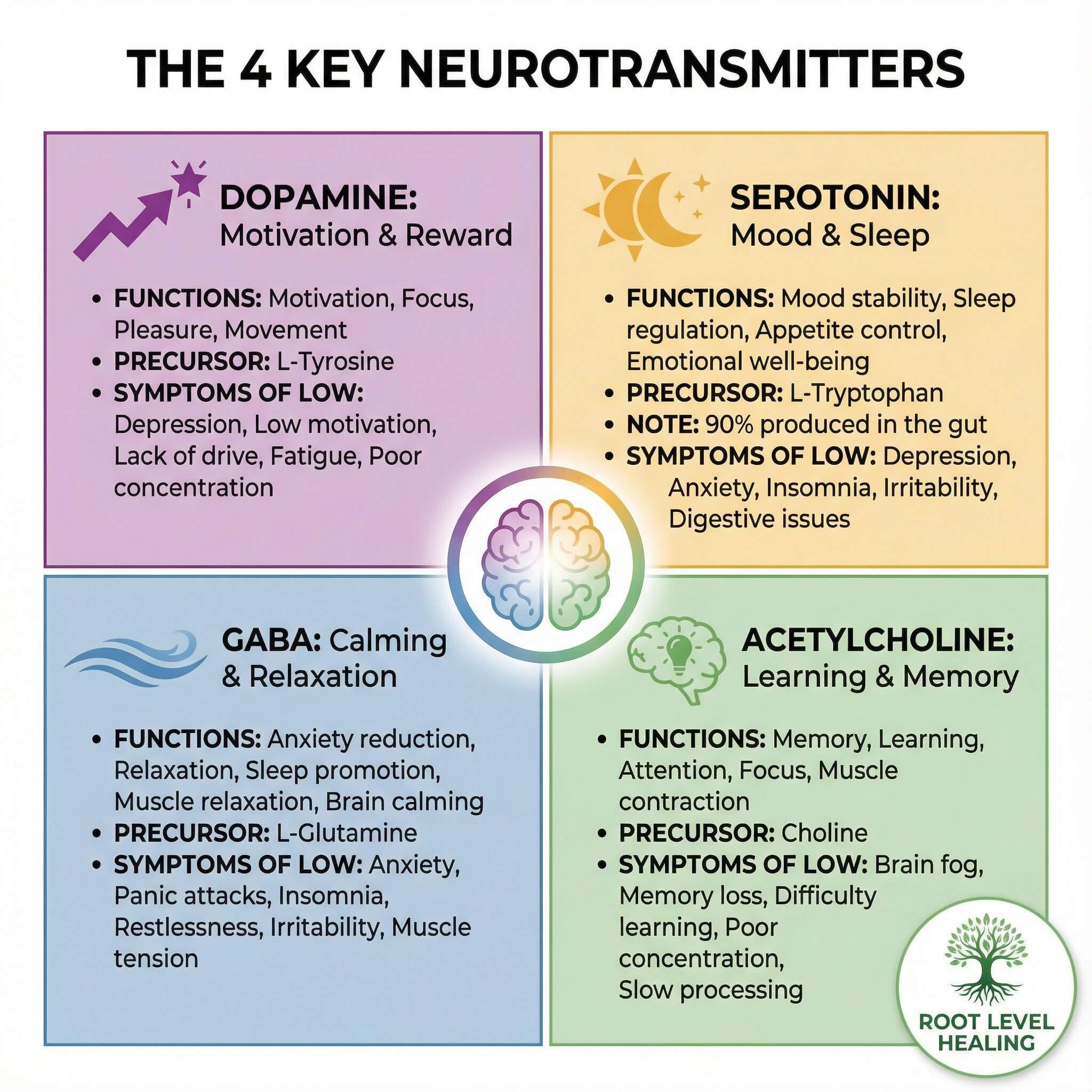
The four primary neurotransmitters that govern your mental and emotional state
Dopamine: The Motivation & Reward Molecule
Dopamine is the driving force behind motivation, focus, goal-directed behavior, and the experience of pleasure and reward. When dopamine is optimal, you feel driven, energized, and capable of tackling complex tasks. When it's low, you experience apathy, procrastination, fatigue, and a lack of joy in life (anhedonia).
Precursors: L-Tyrosine and L-Phenylalanine (amino acids).
Cofactors: Vitamin B6, Iron, Folate, Vitamin C.
How to Boost: Consume high-quality protein, engage in regular exercise (especially HIIT), practice cold exposure, and supplement with a complete essential amino acid profile like CRUSH (EAA+HMB) to ensure adequate precursor availability.
Serotonin: The Mood & Sleep Molecule
Serotonin is the master regulator of mood, emotional stability, sleep, and appetite. It promotes feelings of well-being, contentment, and safety. Low serotonin is strongly linked to depression, anxiety, obsessive-compulsive behaviors, insomnia, and carbohydrate cravings.
Precursor: L-Tryptophan (an amino acid).
Cofactors: Vitamin B6, Vitamin D, Magnesium, Zinc.
How to Boost: Get morning sunlight exposure, practice stress management, consume tryptophan-rich foods (turkey, eggs, cheese), and support your gut health. Since most of the body's serotonin is made in the gut, supporting gut health (for example with a gut-support formula like Restore) is one part of a routine that supports healthy serotonin levels.
GABA: The Calming Molecule
GABA (Gamma-Aminobutyric Acid) is the brain's primary inhibitory neurotransmitter. It acts as the brakes for the nervous system, calming excessive neuronal firing, reducing anxiety, and promoting relaxation and sleep. Low GABA is the primary driver of chronic anxiety, panic attacks, restlessness, and insomnia.
Precursor: L-glutamine, an amino acid.
Cofactors: Vitamin B6, Magnesium.
How to Boost: Supplement with magnesium glycinate, L-theanine (found in green tea), and support gut health, as certain gut bacteria can produce GABA. The B vitamins in ReLive Greens are essential cofactors for GABA synthesis.
Acetylcholine: The Learning & Memory Molecule
Acetylcholine is the primary neurotransmitter involved in learning, memory, and attention. It's crucial for cognitive processing and focus. Low levels of acetylcholine are associated with brain fog, memory loss, and difficulty learning new information. Alzheimer's disease is characterized by a severe depletion of acetylcholine.
Precursor: Choline, found in foods like egg yolks and liver.
Cofactors: Vitamin B5, Omega-3 fatty acids.
How to Boost: Consume choline-rich foods, supplement with a high-quality source of omega-3s like KO3 Krill Oil, and ensure adequate B vitamin intake. KO3 Krill Oil provides EPA and DHA, which are essential for brain cell membrane health and acetylcholine function. Learn more about the hidden omega-3 crisis and why supplementation is so important.
🐟 Support Memory & Brain Cell Health with Omega-3s
KO3 Antarctic Krill Oil provides highly bioavailable EPA and DHA omega-3 fatty acids that are critical for acetylcholine function, brain cell membrane health, and reducing neuroinflammation. Unlike fish oil, KO3 is bound to phospholipids for 3X better absorption and includes astaxanthin for powerful antioxidant protection.
Lion's Mane & Neurogenesis: Rebuilding the Brain
While optimizing the four primary neurotransmitters is essential for daily mental clarity and mood balance, true brain chemistry optimization also requires structural repair. This is where the concept of neurogenesis—the brain's ability to grow new neurons and form new neural connections—becomes critical.
For decades, science believed the adult brain was fixed and incapable of growing new cells. We now know this is false. Through a process driven by a protein called Nerve Growth Factor (NGF), the brain can repair damaged nerves, regenerate the myelin sheath, and build new neural pathways. However, NGF is a large molecule that cannot cross the blood-brain barrier, meaning you cannot simply take an NGF supplement.
This is where Lion's Mane mushroom (Hericium erinaceus) stands alone in the natural world. Lion's Mane contains two unique classes of compounds—hericenones (found in the fruiting body) and erinacines (found in the mycelium)—that are studied for stimulating the brain to produce its own NGF; erinacines have been shown to cross the blood-brain barrier in rats.
By stimulating NGF, Lion's Mane provides profound support across multiple areas of brain chemistry and neurological health:
- Eradicating Brain Fog: By stimulating neurogenesis and rebuilding the brain's infrastructure, Lion's Mane helps clear the structural causes of brain fog that neurotransmitter precursors alone cannot fix.
- Enhancing Memory & Focus: Lion's Mane increases Brain-Derived Neurotrophic Factor (BDNF), which enhances neuroplasticity—the brain's ability to adapt and learn. This makes it one of the most effective natural compounds for improving memory, focus, and cognitive clarity.
- Repairing Peripheral Nerves: The NGF stimulation provided by Lion's Mane extends beyond the brain, helping to regenerate the myelin sheath and providing powerful support for peripheral nerve health and neuropathy.
- Optimizing REM Sleep: By modulating acetylcholine levels in the brain, Lion's Mane enhances REM sleep duration and dream recall, making it a powerful tool for lucid dreaming and deep restorative sleep.
To achieve these benefits, it is critical to use a dual-extracted supplement that includes both the fruiting body and the mycelium, as the mycelium contains the erinacines which are the most potent NGF stimulators. For a deep dive into the highest quality option available, read our comprehensive review of Paul Stamets' Host Defense Lion's Mane Extract.
How to Test Your Brain Chemistry
While a definitive diagnosis of neurotransmitter imbalance requires clinical testing, you can gain significant insight through a combination of self-assessment and functional lab tests.
1. Symptom Assessment: The most immediate and accessible method is to carefully review the 10 warning signs listed above. Tracking your symptoms and identifying patterns can provide strong clues about which neurotransmitters are most likely out of balance.
2. Neurotransmitter Testing: Specialized labs can measure neurotransmitter levels and their metabolites in urine or blood. While these tests can be helpful, they provide a snapshot in time and may not fully reflect neurotransmitter activity within the brain.
3. Organic Acids Test (OAT): This is a comprehensive urine test that measures various metabolic byproducts, including metabolites of dopamine and serotonin. An OAT can provide valuable insight into neurotransmitter turnover, as well as gut health, mitochondrial function, and nutrient deficiencies.
4. Genetic Testing: Genetic tests can identify variations (SNPs) in genes that affect neurotransmitter function, such as COMT (which breaks down dopamine) and MTHFR (which affects methylation and B vitamin metabolism). This information can help personalize your support protocol.
5. Gut Microbiome Testing: A comprehensive stool analysis can reveal the state of your gut microbiome, including the presence of beneficial bacteria that produce neurotransmitters and the signs of inflammation or leaky gut that could be impacting your brain health.
For a personalized starting point, consider taking the Root Level Healing Health Assessment Quiz, which can help you identify your primary areas of imbalance and guide you toward the most effective initial interventions.
The 4 Pillars of Brain Chemistry Optimization
Restoring optimal brain chemistry requires a holistic approach that addresses the foundational pillars of health. This 4-pillar framework provides a comprehensive strategy for rebuilding your brain from the ground up.
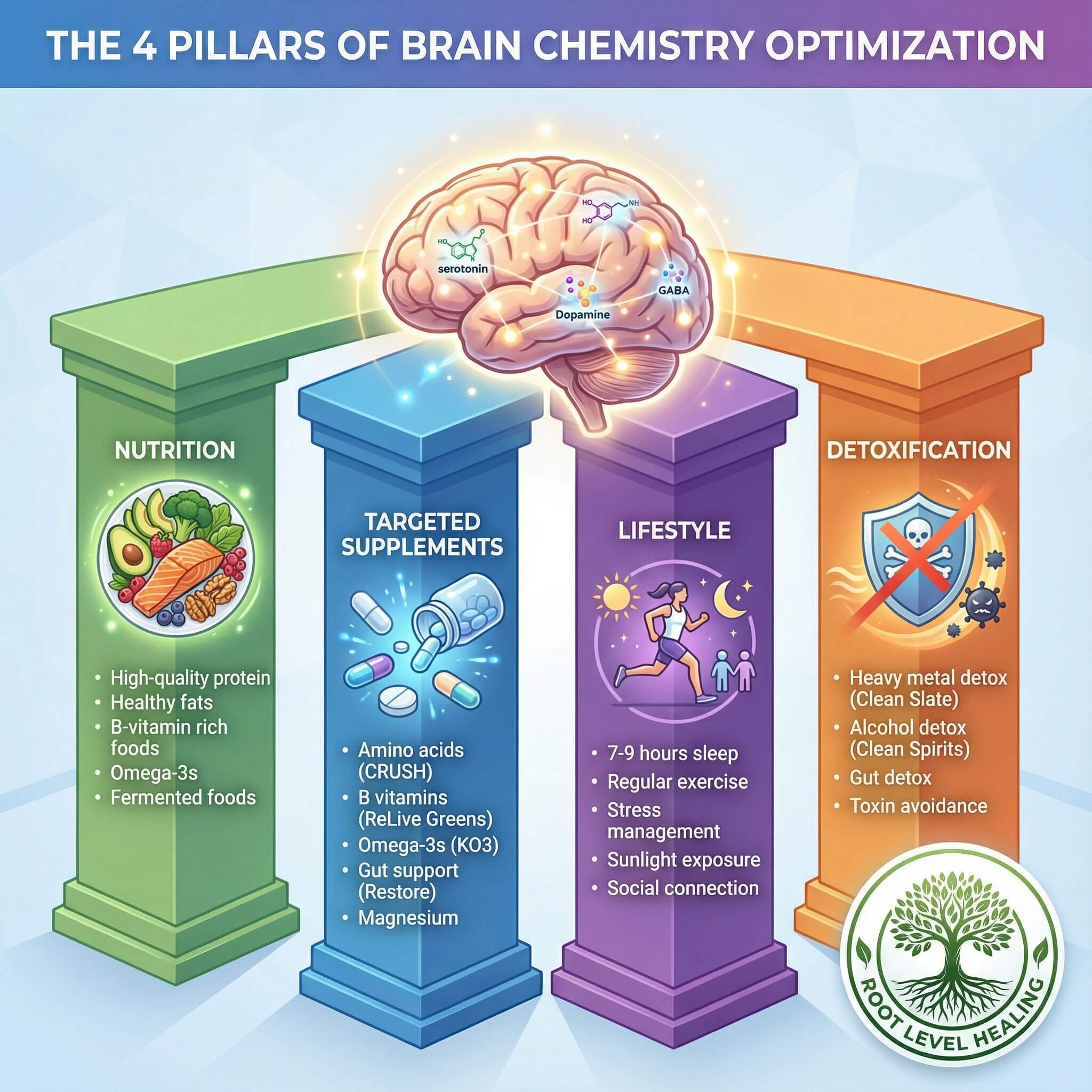
The comprehensive 4-pillar framework for restoring optimal brain chemistry
Pillar 1: Nutrition - Feed Your Neurotransmitters
The food you eat provides the raw materials for your brain. A nutrient-dense, anti-inflammatory diet is non-negotiable for optimal brain chemistry.
High-Quality Protein: Aim for at least 30 grams of protein per meal to provide a steady supply of amino acid precursors for dopamine and serotonin. Focus on grass-fed meats, wild-caught fish, pasture-raised eggs, and organic poultry.
Healthy Fats: Omega-3 fatty acids from sources like wild-caught fish and krill oil are essential for brain cell membrane health and reducing neuroinflammation. For a comprehensive understanding of how omega-3s support mental health, reduce inflammation, and protect neurons, explore our complete guide to omega-3 health benefits. KO3 Krill Oil provides a highly bioavailable source of EPA and DHA.
Complex Carbohydrates: Small amounts of complex carbs from vegetables, fruits, and properly prepared grains can help shuttle tryptophan into the brain for serotonin production.
Micronutrient-Rich Foods: Leafy greens, colorful vegetables, and fruits provide the essential vitamins and minerals that act as cofactors in neurotransmitter synthesis. ReLive Greens offers a concentrated source of these nutrients, along with adaptogens and probiotics.
Fermented Foods: Sauerkraut, kimchi, kefir, and other fermented foods provide beneficial bacteria that support gut health and serotonin production. Learn more about 3 powerful foods to help heal your gut.
Avoid: Sugar, processed foods, industrial seed oils, and excessive alcohol, all of which drive inflammation and disrupt brain chemistry.
🌿 Complete Nutritional Support for Optimal Brain Chemistry
ReLive Greens provides bioavailable B vitamins, adaptogens (ashwagandha, rhodiola), probiotics, and concentrated greens that support neurotransmitter synthesis, stress management, and gut-brain axis health. This comprehensive formula delivers the micronutrients your brain needs in one convenient daily serving.
Pillar 2: Targeted Supplements - Precision Support
While diet is foundational, targeted supplementation can provide the therapeutic doses of nutrients needed to correct significant imbalances.
Essential Amino Acids: Supplementing with a complete EAA profile like CRUSH (EAA+HMB) ensures your brain has all the necessary precursors for dopamine, serotonin, and GABA production. CRUSH provides the full spectrum of essential amino acids in optimal ratios, along with HMB to support muscle recovery and overall cellular health. This makes it an ideal choice for anyone looking to optimize both physical and mental performance.
B Vitamins: A methylated B-complex is crucial for those with MTHFR mutations. ReLive Greens provides a spectrum of bioavailable B vitamins, along with adaptogens like ashwagandha and rhodiola that help your body manage stress and protect neurotransmitters from depletion.
Omega-3 Fatty Acids: KO3 Krill Oil provides a highly absorbable source of EPA and DHA, which are essential for brain cell membrane health, reducing neuroinflammation, and supporting acetylcholine function. If you're wondering whether to choose krill oil or fish oil for brain health, the science is clear: krill oil is 3x more effective than fish oil due to its superior absorption, phospholipid structure, and built-in antioxidant protection from astaxanthin.
Magnesium: Magnesium glycinate is a highly absorbable form that can help calm the nervous system and support GABA production. Aim for 400mg before bed.
Gut Support: Restore is formulated to support the gut lining and microbiome, which are part of the gut-brain connection. Give Me Back My Youth provides collagen and colostrum to further support the gut-brain axis and promote overall cellular repair.
Beyond the foundational supplements discussed here, natural nootropics offer a safe path to enhanced cognitive function by supporting neurotransmitter production, protecting neurons from oxidative stress, and improving brain energy metabolism.
Pillar 3: Lifestyle - Optimize Your Environment
Your daily habits have a profound impact on your brain chemistry.
Sleep: Prioritize 7-9 hours of high-quality sleep per night. This is when your brain cleanses itself of metabolic debris and consolidates memories. Create a dark, cool, and quiet sleep environment, and establish a consistent sleep schedule.
Exercise: A combination of high-intensity interval training (HIIT) and aerobic exercise has been shown to boost dopamine, serotonin, and brain-derived neurotrophic factor (BDNF). Aim for at least 30 minutes of movement per day.
Stress Management: Daily practices like meditation, deep breathing, or yoga are essential for lowering cortisol and protecting your neurotransmitters. Even 10 minutes per day can make a significant difference.
Sunlight: Morning sun exposure helps regulate your circadian rhythm and boosts serotonin levels. Aim for at least 15-20 minutes of sunlight exposure within the first hour of waking.
Social Connection: Meaningful social interactions boost oxytocin and dopamine, contributing to overall emotional well-being. Prioritize time with loved ones and engage in activities that foster connection.
Cold Exposure: Cold showers or ice baths can boost norepinephrine and dopamine, enhancing mood and focus.
Pillar 4: Detoxification - Remove the Blockers
You cannot build a healthy brain in a toxic environment. Removing neurotoxic substances is a critical step.
Heavy Metal Detox: Use a systemic binder like Clean Slate to safely remove heavy metals like mercury and lead from the body and brain. Clean Slate uses clinoptilolite zeolite to bind toxins at the cellular level and escort them out of the body. Learn more about how to naturally detox from heavy metals.
Alcohol Detox: If you consume alcohol, support your liver and detoxification pathways with Clean Spirits. This product helps mitigate the neurotoxic effects of alcohol and supports GABA/glutamate balance.
Gut Support: Supporting gut health with Restore and ReLive Greens may help reduce the inflammatory burden that researchers link to neuroinflammation.
Toxin Avoidance: Minimize your exposure to environmental toxins by choosing organic food, filtering your water and air, and using natural personal care products.
🛡️ Support Liver Detox & Neurotransmitter Metabolism
Clean Spirits supports liver detoxification pathways and helps mitigate the neurotoxic effects of alcohol on brain chemistry. It supports GABA/glutamate balance and protects neurotransmitters from depletion caused by toxin exposure and substance use.
The Gut-Brain-Detox Connection
The emerging science of the gut-brain axis has revolutionized our understanding of mental health. The gut and brain are in constant communication via the vagus nerve, and the health of your gut microbiome directly impacts your brain chemistry.
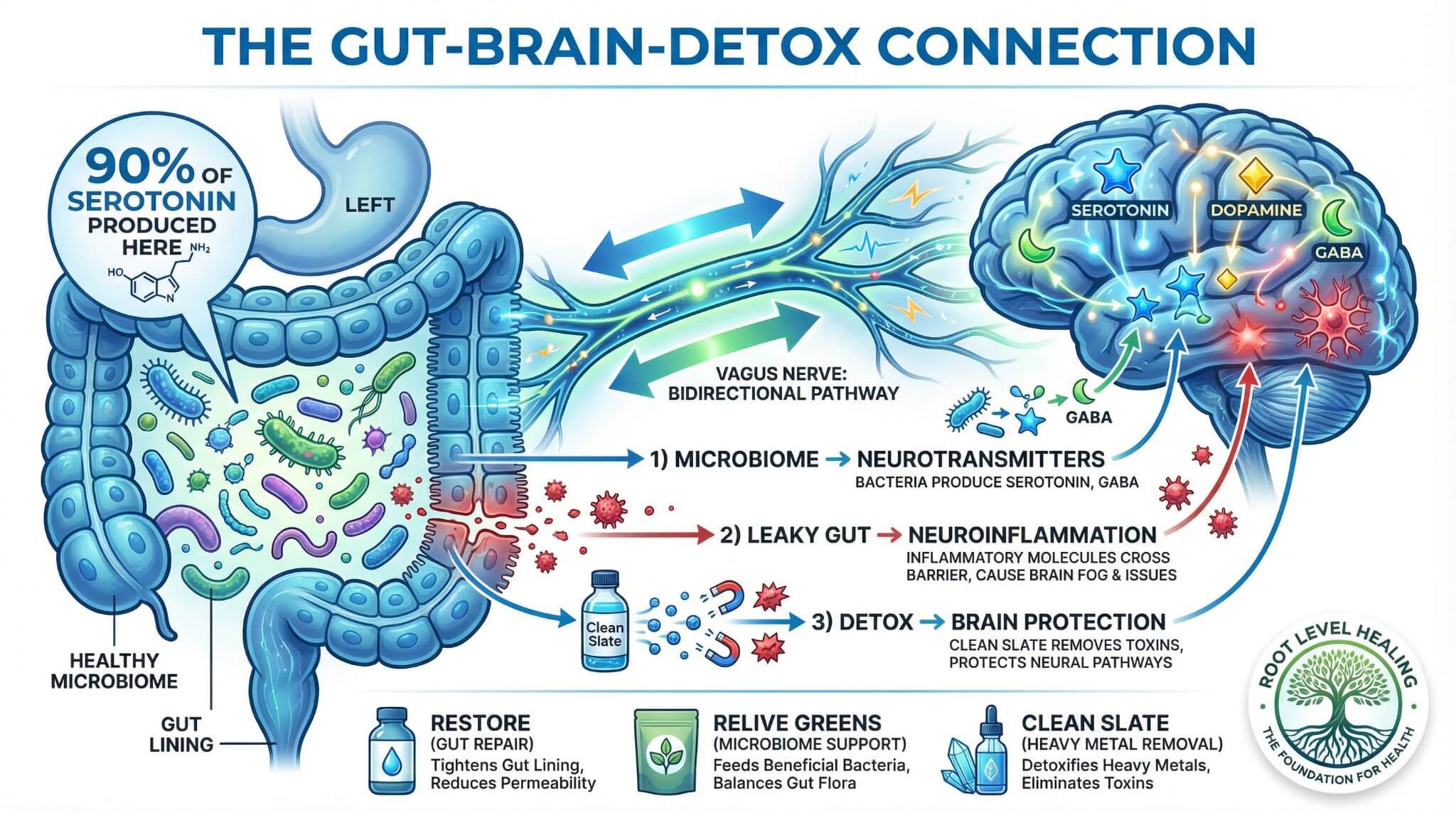
The critical connection between gut health, detoxification, and brain chemistry
As mentioned, 90% of your body's serotonin is produced in the gut. Beneficial gut bacteria also produce other neurotransmitters, including GABA. When your microbiome is out of balance (a state called dysbiosis), the production of these crucial molecules can be severely impaired. Furthermore, a compromised gut lining (leaky gut) allows inflammatory molecules to enter the bloodstream and travel to the brain, triggering neuroinflammation and contributing to symptoms of depression, anxiety, and brain fog.
This is why supporting gut health is a foundational step in any brain chemistry protocol. Products like Restore, which is formulated to support the gut lining, and ReLive Greens, which provides prebiotic fiber and probiotics, can be part of a routine to support a healthy gut environment. A healthy gut supports normal neurotransmitter production and a lower inflammatory burden. Explore more about your gut as the surprising epicenter of aging and why gut health is foundational for longevity.
Detoxification is the third leg of this critical triad. Heavy metals and other toxins can disrupt both gut health and brain function. By using a systemic binder like Clean Slate, you can remove these neurotoxic substances, allowing both your gut and your brain to heal and function optimally. The synergy between gut healing and detoxification creates the ideal foundation for balanced brain chemistry. Learn more about the complete heavy metal detoxification protocol.
🔧 Heal Your Gut, Restore Your Brain Chemistry
Restore is formulated to support the gut lining and microbiome. Since most of the body's serotonin is made in the gut, gut health is one part of the gut-brain connection researchers are studying.
Your 4-Week Brain Chemistry Reboot Action Plan
This 4-week protocol is designed to systematically address the root causes of neurotransmitter imbalance and provide your body with the support it needs to restore optimal brain function.
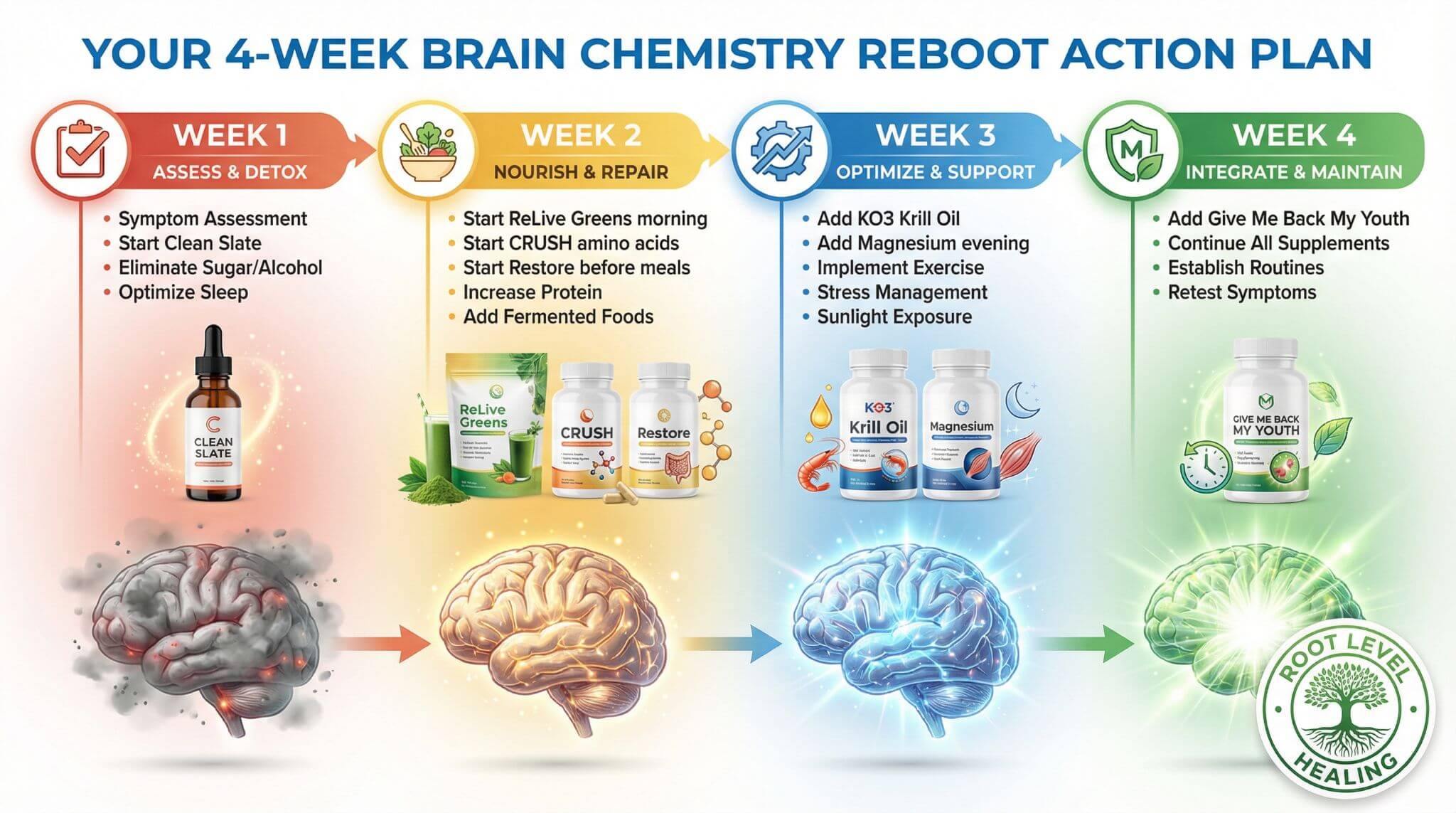
Your complete 4-week roadmap to restoring optimal brain chemistry
Week 1: ASSESS & DETOX
The goal of week one is to remove the primary obstacles to healthy brain function and begin the detoxification process.
Assess: Take a detailed inventory of your symptoms using the 10 warning signs as a guide. Consider taking the Root Level Healing Health Assessment Quiz for a personalized starting point.
Detox: Begin taking Clean Slate (10 drops, twice daily) to start binding and removing heavy metals and environmental toxins from your body and brain.
Eliminate: Remove alcohol, sugar, gluten, and processed foods from your diet. These substances drive inflammation and deplete neurotransmitters.
Sleep: Establish a strict sleep schedule, aiming for 7-9 hours per night. Create a dark, cool, and quiet sleep environment, and avoid screens for at least one hour before bed.
Week 2: NOURISH & REPAIR
Now that you've started clearing out the toxins, it's time to provide the raw materials for healing and neurotransmitter production.
Nourish: Start your day with ReLive Greens (1 scoop in water) to provide a rich source of B vitamins, adaptogens, and micronutrients. Take CRUSH (EAA+HMB) (1 scoop) post-workout or in the afternoon to provide amino acid precursors for dopamine, serotonin, and GABA.
Support: Take Restore (one 15 mL pack daily) for gut-lining and microbiome support.
Protein: Ensure you are consuming at least 30 grams of high-quality protein with each meal to provide a steady supply of amino acids.
Fermented Foods: Add fermented foods like sauerkraut, kimchi, or kefir to support your gut microbiome.
Week 3: OPTIMIZE & SUPPORT
With the foundations in place, you can now add targeted support to optimize specific pathways.
Optimize: Add KO3 Krill Oil (1 serving daily) to provide essential omega-3 fatty acids for brain health and acetylcholine function.
Support: Take magnesium glycinate (400mg) before bed to support GABA production and promote restful sleep.
Exercise: Implement a consistent exercise routine, including both HIIT and aerobic activity. Aim for at least 30 minutes per day.
Stress: Begin a daily stress management practice, such as 10 minutes of meditation, breathwork, or yoga.
Sunlight: Get 15-20 minutes of morning sunlight exposure to boost serotonin and regulate your circadian rhythm.
Week 4: INTEGRATE & MAINTAIN
The final week is about solidifying your new habits and adding further support for long-term resilience.
Integrate: Add Give Me Back My Youth (1 scoop daily) to provide collagen and colostrum for ongoing gut-brain axis support and cellular repair. Learn more about why collagen and colostrum are your ultimate anti-aging allies.
Maintain: Continue with your full supplement protocol and healthy lifestyle habits. Consistency is key for lasting results.
Re-assess: Review your initial symptom list and note any improvements. Track your progress and adjust your protocol as needed based on your response.
Establish Routines: Create sustainable daily routines that support your brain chemistry, including meal timing, supplement schedules, exercise, and stress management practices.
Frequently Asked Questions
How long does it take to rebalance neurotransmitters?
While some people notice improvements within the first few weeks, it typically takes 3-6 months of consistent effort to achieve significant and lasting rebalancing. The process depends on the severity of your imbalances, your consistency with the protocol, and how long your brain chemistry has been out of balance. Early improvements often include better sleep, increased energy, and reduced anxiety, while deeper changes in mood and cognitive function may take longer to manifest.
Can I take amino acids if I'm on antidepressants?
It is crucial to consult with your healthcare provider before taking amino acid supplements if you are on any psychiatric medications, especially SSRIs or MAOIs. Combining them can potentially lead to serotonin syndrome, a serious condition characterized by dangerously high levels of serotonin. Your doctor can help you determine the safest approach and may be able to adjust your medications as your brain chemistry improves naturally.
Is it safe to boost dopamine naturally?
Yes, boosting dopamine through natural means like diet, exercise, and targeted amino acid supplementation is generally safe and does not carry the same risks as stimulant medications. The goal is to restore natural balance, not to create unnaturally high levels. Natural approaches work with your body's own regulatory mechanisms, allowing for sustainable improvements without the risk of tolerance or dependence.
Why is gut health so important for brain chemistry?
Your gut produces 90% of your serotonin and contains a vast network of neurons that are in constant communication with your brain via the vagus nerve. An unhealthy gut leads to inflammation and impaired neurotransmitter production, which directly impacts your mood and cognitive function. Additionally, beneficial gut bacteria produce GABA and other neurotransmitters. When your gut is compromised, your brain chemistry suffers. This is why healing your gut lining is one of the most powerful interventions for mental health.
Can heavy metals really affect my mood?
Absolutely. Heavy metals like mercury and lead are potent neurotoxins that can generate massive oxidative stress in the brain, damage neurons, and interfere with neurotransmitter signaling, leading to symptoms of depression, anxiety, and brain fog. Mercury, in particular, has been shown to disrupt dopamine and serotonin pathways. This is why detoxifying heavy metals with Clean Slate is a foundational step in any brain chemistry optimization protocol.
Do I need to take all these supplements forever?
Not necessarily. The initial protocol is designed to correct significant deficiencies and imbalances. Once your brain chemistry is optimized and you have established healthy diet and lifestyle habits, you may be able to reduce your supplement regimen to a maintenance dose. Many people find that they can eventually rely primarily on diet and lifestyle, using supplements strategically during times of increased stress or when they notice symptoms returning.
What's the difference between amino acids and protein?
Protein is made up of chains of amino acids. While whole food protein is essential, supplementing with free-form essential amino acids (EAAs) like those in CRUSH provides a more direct and easily absorbable source of the specific precursors your brain needs to produce neurotransmitters. Free-form amino acids are rapidly absorbed and can be immediately utilized for neurotransmitter synthesis, whereas dietary protein must first be broken down through digestion.
Can I do this protocol if I have ADHD?
Many individuals with ADHD have found significant benefit from protocols that focus on balancing dopamine and norepinephrine naturally. ADHD is strongly linked to dopamine dysregulation, and providing the raw materials for dopamine production (amino acids, B vitamins, iron) while removing neurotoxic heavy metals can make a profound difference. However, you should always consult with your healthcare provider before making any changes to your treatment plan, especially if you are currently taking stimulant medications.
Will this help with anxiety and panic attacks?
This protocol is designed to address the root causes of anxiety by supporting GABA production, balancing the gut-brain axis, and reducing neuroinflammation. Many people experience a significant reduction in anxiety and panic attacks within the first few weeks of implementing these strategies. Low GABA is one of the primary drivers of anxiety, and by providing the precursors (amino acids) and cofactors (B vitamins, magnesium) needed for GABA synthesis, you can help restore calm to your nervous system.
How do I know if my neurotransmitters are imbalanced?
The most accessible way is to assess your symptoms using the 10 warning signs listed in this guide. If you experience three or more of these symptoms regularly, it's a strong indication that your brain chemistry needs support. For a more definitive answer, you can pursue functional lab testing, such as an Organic Acids Test (OAT) or neurotransmitter panel, with a qualified practitioner. You can also take our Health Assessment Quiz for a personalized starting point.
Can children use this protocol?
This protocol is designed for adults. Children have different nutritional needs and sensitivities, and their developing brains require specialized care. You should always consult with a pediatrician or a practitioner specializing in pediatric functional medicine before giving supplements to a child. That said, many of the dietary and lifestyle principles (whole foods, adequate protein, sleep optimization, toxin avoidance) are beneficial for children when appropriately adapted.
What if I can't afford all the supplements?
If you have to prioritize, start with the foundations: a clean diet, stress management, and sleep. For supplements, the most impactful starting points are often Clean Slate (to remove toxins) and Restore (to support gut health), as these address two of the biggest root causes. Once you've established these foundations, you can add ReLive Greens for B vitamins and CRUSH for amino acids as your budget allows.
Complete Brain Chemistry Optimization Resource Library
Deepen your understanding of brain chemistry optimization with these carefully curated resources.
Educational Articles
- The Brain-Rebuilding Mushroom: How Lion's Mane Stimulates Nerve Growth Factor
- Lion's Mane Mushroom for Memory, Focus, and Cognitive Clarity
- Lion's Mane Mushroom for Peripheral Nerve Support & Neuropathy
- Lion's Mane Mushroom and Lucid Dreaming: The REM Sleep Connection
- Brain Fog and the Gut-Brain Connection
- What is NAD+? The Ultimate Guide to the Cellular Repair Molecule
- The Hidden Omega-3 Crisis
- 10 Warning Signs of Heavy Metal Toxicity
- Gut Health & Microbiome Optimization: Complete Guide to Healing Your Gut
- The Perfect Storm: When Cellular Stress Meets Nutrient Depletion
- 3 Surprising Signs of Leaky Gut
- Your Gut: The Surprising Epicenter of Aging
- 3 Powerful Foods to Help Heal Your Gut
- How to Naturally Detox from Heavy Metals: A Beginner's Guide
- The Blueprint for Youth: A Holistic Guide to Reversing Your Biological Age
- Why Collagen and Colostrum are Your Ultimate Anti-Aging Allies
Product Guides
- Host Defense Lion's Mane Extract Review (Paul Stamets)
- CRUSH (EAA+HMB) Complete Guide
- ReLive Greens Complete Guide
- Clean Slate Heavy Metal Detox Guide
- Restore Gut Lining Repair Product Review
- KO3 Krill Oil Omega-3 Benefits Guide
- Give Me Back My Youth Collagen & Colostrum Guide
- Clean Spirits Alcohol Detox Support Guide
Related Root Level Healing Guides
- Heavy Metal Detoxification: Complete Guide - Remove neurotoxic heavy metals that disrupt neurotransmitter production and brain function
- Gut Health & Microbiome Optimization - Heal the gut-brain axis to optimize neurotransmitter synthesis and mental health
- Mitochondrial Health: Complete Guide - Support cellular energy production essential for optimal brain function and neurotransmitter synthesis
- Immune System Support & Optimization - Reduce neuroinflammation and support brain immune function for mental clarity
- Environmental Skin Defense & Anti-Aging - Understand how stress hormones and cortisol affect skin health and overall wellness
- Natural Pet Detoxification Guide - Support your pet's neurological health and behavior through safe detoxification
Tools & Resources

Discover Your Toxicity Level & Brain Chemistry Connection
Take our comprehensive Toxicity Assessment Quiz to uncover how heavy metals and environmental toxins may be disrupting your neurotransmitter balance and brain function.