Gut Health & Microbiome Optimization: Complete Guide to Healing Your Gut
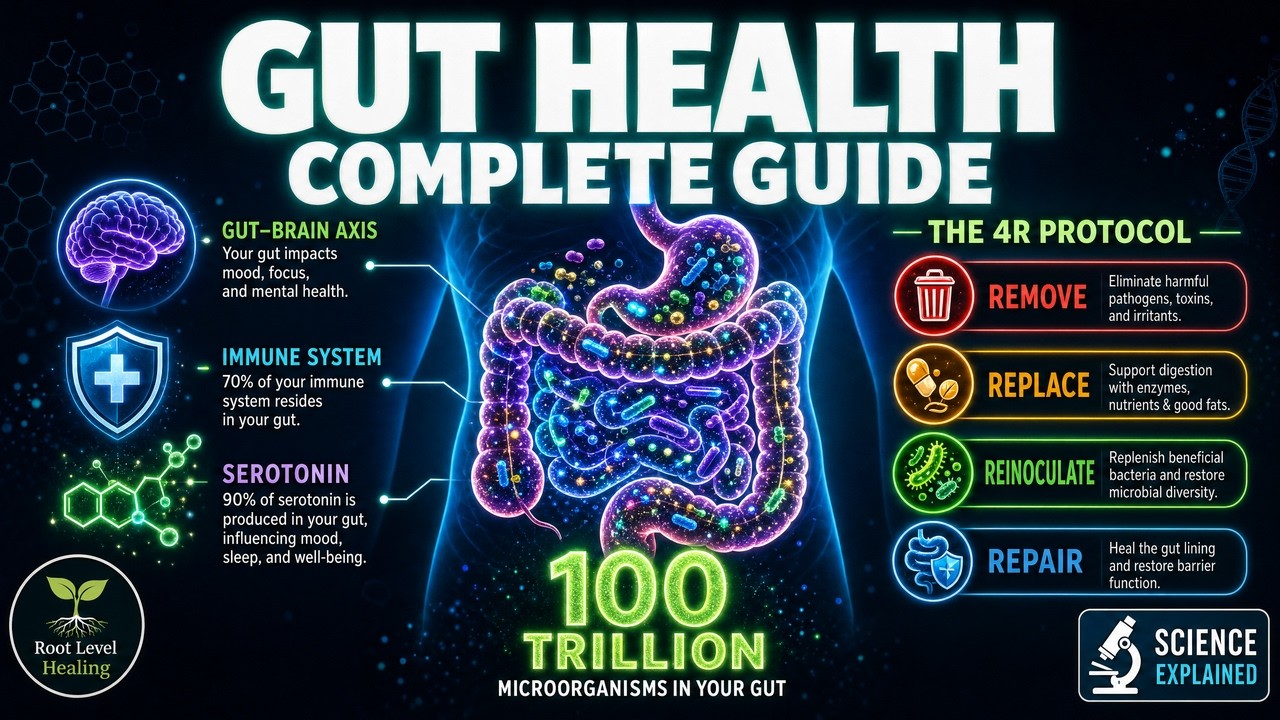
Your gut is home to over 100 trillion microorganisms—bacteria, fungi, viruses, and other microbes that form a complex ecosystem known as your gut microbiome. This invisible world inside you controls far more than just digestion. Your gut microbiome regulates 70% of your immune system, produces neurotransmitters that affect your mood and mental clarity, influences your metabolism and weight, and even communicates directly with your brain through the gut-brain axis.
When your gut health is compromised—whether through poor diet, environmental toxins, chronic stress, or medications—the ripple effects extend throughout your entire body. Leaky gut syndrome, gut dysbiosis, SIBO, and other digestive disorders are becoming epidemic, contributing to everything from autoimmune conditions and chronic fatigue to anxiety, depression, and unexplained weight gain. This comprehensive guide will show you exactly how to assess, heal, and optimize your gut health using science-backed protocols that address root causes—including the often-overlooked connections between gut health, heavy metal toxicity, and mitochondrial function.
Gut Health & Microbiome Optimization: A Quick Overview
Before we dive deep into the science, watch this quick overview explaining the critical role of your gut microbiome and how to optimize it for full-body health.
In This Guide
- What is Gut Health & Why It Matters
- 10 Warning Signs of Poor Gut Health
- What Damages Your Gut? The 5 Primary Threats
- How to Test Your Gut Health
- The 4 Pillars of Gut Health Optimization
- Advanced Gut Healing Strategies
- The Gut-Mitochondria-Detox Connection
- Your 4-Week Gut Healing Action Plan
- Frequently Asked Questions
- Complete Resource Library
What is Gut Health & Why It Matters
Gut health refers to the balance and function of the microorganisms living in your digestive tract, particularly in your large intestine. A healthy gut contains a diverse array of beneficial bacteria that work synergistically to support digestion, nutrient absorption, immune function, and overall wellness. When this delicate ecosystem is disrupted—a condition called gut dysbiosis—harmful bacteria, yeast, and pathogens can overgrow, leading to inflammation, intestinal permeability (leaky gut), and systemic health problems.
Your gut microbiome is unique to you, shaped by your genetics, birth method, early childhood environment, diet, lifestyle, and exposures to antibiotics and toxins. Research shows that people with diverse, balanced gut microbiomes tend to have stronger immune systems, better mental health, healthier weight, and lower rates of chronic disease. Conversely, poor gut health has been linked to autoimmune conditions, inflammatory bowel disease, obesity, type 2 diabetes, cardiovascular disease, depression, anxiety, and even neurodegenerative disorders like Alzheimer's disease.
The gut-brain axis—the bidirectional communication network between your gut and your brain—explains why gut health profoundly affects your mood, cognition, and mental clarity. Your gut produces approximately 90% of your body's serotonin, the neurotransmitter responsible for feelings of happiness and well-being. It also produces GABA, dopamine, and other neurotransmitters that regulate mood, focus, and sleep. When your gut is inflamed or dysbiotic, this neurotransmitter production is disrupted, contributing to brain fog, anxiety, and depression.
Beyond the gut-brain connection, your gut also houses 70% of your immune system in the form of gut-associated lymphoid tissue (GALT). The beneficial bacteria in your gut train your immune cells to distinguish between harmless substances and genuine threats, preventing both infections and autoimmune reactions. When gut health deteriorates, immune function becomes dysregulated, leading to chronic inflammation, frequent infections, and increased risk of autoimmune conditions where the body attacks its own tissues.
Perhaps most importantly, your gut serves as a critical barrier between the outside world and your internal environment. A healthy gut lining is selectively permeable, allowing nutrients to pass through while blocking toxins, pathogens, and undigested food particles. When this barrier becomes compromised—a condition known as leaky gut or intestinal permeability—harmful substances enter your bloodstream, triggering widespread inflammation and immune activation that can affect every organ system in your body.
The far-reaching effects of gut health extend beyond digestion, immunity, and mental health—your gut microbiome also plays a central role in the aging process itself. Discover how your gut serves as the surprising epicenter of aging and why optimizing gut health may be one of the most powerful anti-aging strategies available.
10 Warning Signs of Poor Gut Health
Poor gut health rarely announces itself with obvious symptoms. Instead, it manifests through a constellation of seemingly unrelated issues that conventional medicine often treats as separate conditions. If you experience multiple symptoms from the list below, your gut health may be the underlying root cause that needs to be addressed.
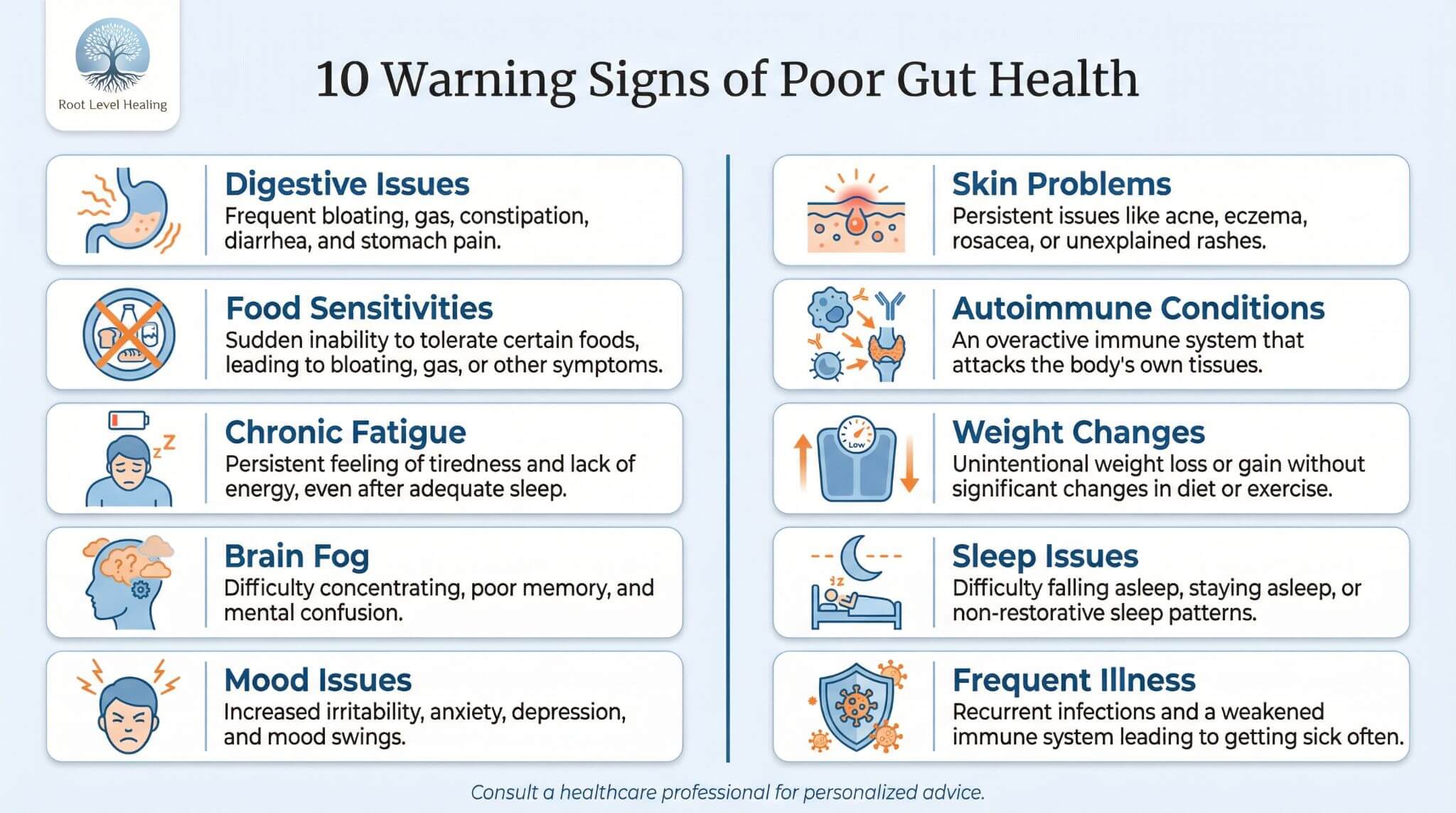
1. Digestive Issues (Bloating, Gas, Constipation, Diarrhea)
While occasional digestive discomfort is normal, persistent bloating, excessive gas, chronic constipation, or frequent diarrhea signal gut dysfunction. These symptoms often indicate gut dysbiosis, insufficient digestive enzymes, low stomach acid, or small intestinal bacterial overgrowth (SIBO). Many people accept these symptoms as "normal," but a healthy gut should digest food efficiently without significant discomfort.
2. Food Sensitivities and Intolerances
Developing new food sensitivities or intolerances—especially to foods you previously tolerated well—is a hallmark of leaky gut syndrome. When the intestinal barrier becomes permeable, undigested food proteins enter the bloodstream, triggering immune reactions that manifest as food sensitivities, inflammation, and digestive distress. Common triggers include gluten, dairy, eggs, soy, and nightshade vegetables. Learn about the 3 surprising signs of leaky gut that often go unrecognized.
3. Chronic Fatigue and Low Energy
Your gut produces and regulates many of the nutrients and compounds essential for energy production, including B vitamins, short-chain fatty acids like butyrate, and precursors to ATP (your cellular energy currency). When gut health is compromised, nutrient absorption declines, inflammation increases, and your mitochondria struggle to produce adequate energy. The result is persistent fatigue that doesn't improve with rest.
4. Brain Fog and Poor Concentration
The gut-brain axis means that inflammation and dysbiosis in your gut directly affect cognitive function. Endotoxins (lipopolysaccharides) produced by harmful gut bacteria can cross into the bloodstream and trigger neuroinflammation, leading to brain fog, poor memory, difficulty concentrating, and mental fatigue. Understand the connection between brain fog and the gut-brain axis and how healing your gut can restore mental clarity. Many people report that their thinking becomes clearer within weeks of healing their gut. Learn more about optimizing brain chemistry and neurotransmitter production through gut healing.
5. Mood Issues (Anxiety, Depression, Irritability)
Since your gut produces the majority of your body's serotonin and other mood-regulating neurotransmitters, gut dysfunction profoundly affects mental health. Research shows strong links between gut dysbiosis and depression, anxiety, and mood disorders. The gut-brain axis also means that stress affects gut health, creating a bidirectional cycle where poor gut health worsens mental health, and vice versa. Discover the gut-brain connection and how 90% of serotonin is produced in your gut.
6. Skin Problems (Acne, Eczema, Rosacea, Psoriasis)
Your skin is often a mirror of your gut health. The gut-skin axis explains why conditions like acne, eczema, rosacea, and psoriasis frequently improve when gut health is restored. Gut inflammation and leaky gut allow toxins and inflammatory compounds to circulate systemically, triggering skin inflammation and immune reactions that manifest as various skin conditions. Learn how to address the gut-skin connection for clearer, healthier skin.
7. Autoimmune Conditions
Leaky gut is increasingly recognized as a contributing factor in autoimmune disease development. When the intestinal barrier is compromised, foreign proteins and pathogens enter the bloodstream, confusing the immune system and potentially triggering it to attack the body's own tissues. Conditions like Hashimoto's thyroiditis, rheumatoid arthritis, lupus, and celiac disease have all been linked to gut dysfunction.
8. Frequent Infections and Weakened Immunity
With 70% of your immune system residing in your gut, poor gut health directly weakens your body's ability to fight off infections. If you find yourself catching every cold or flu that goes around, experiencing frequent urinary tract infections, or dealing with recurring yeast infections or sinus infections, compromised gut health may be undermining your immune defenses. Discover how to strengthen your immune system by optimizing gut health.
9. Unexplained Weight Changes
Your gut microbiome plays a crucial role in regulating metabolism, fat storage, and appetite hormones like leptin and ghrelin. Gut dysbiosis can lead to weight gain despite no changes in diet or exercise, or conversely, unexplained weight loss and difficulty maintaining healthy weight. Certain bacterial imbalances are associated with increased calorie extraction from food and greater fat storage.
10. Sleep Disturbances
The gut produces melatonin and influences circadian rhythms, meaning gut health affects sleep quality. Gut inflammation and dysbiosis can disrupt sleep patterns, cause difficulty falling asleep, lead to frequent nighttime waking, or result in unrefreshing sleep. Many people notice significant improvements in sleep quality when they address underlying gut issues.
If you're experiencing three or more of these warning signs, it's time to take a comprehensive approach to assessing and healing your gut. The good news is that with the right protocol, most people can restore gut health and reverse these symptoms within weeks to months.
What Damages Your Gut? The 5 Primary Threats
Understanding what damages your gut is the first step toward healing it. While genetics play a role in gut health, environmental factors and lifestyle choices have the most significant impact on your microbiome and intestinal barrier function. These five primary threats are responsible for the epidemic of gut dysfunction we see today.

Threat #1: Poor Diet and Nutritional Deficiencies
The Standard American Diet (SAD) is perhaps the single greatest threat to gut health. Diets high in processed foods, refined sugars, artificial sweeteners, industrial seed oils, and chemical additives starve beneficial gut bacteria while feeding harmful pathogens and yeast. Processed foods lack the fiber and polyphenols that beneficial bacteria need to thrive, leading to reduced microbial diversity and gut dysbiosis.
Sugar and refined carbohydrates feed pathogenic bacteria and yeast like Candida, allowing them to overgrow and crowd out beneficial species. Artificial sweeteners like aspartame, sucralose, and saccharin have been shown to alter gut bacteria composition and promote glucose intolerance. Emulsifiers and preservatives commonly found in processed foods damage the protective mucus layer of the intestinal lining, increasing intestinal permeability.
Low fiber intake is another critical problem. The average American consumes only 15 grams of fiber daily, far below the recommended 25-35 grams. Fiber serves as the primary food source (prebiotic) for beneficial gut bacteria, which ferment it into short-chain fatty acids like butyrate that nourish the cells lining your colon and reduce inflammation. Without adequate fiber, beneficial bacteria starve, and the gut lining becomes compromised.
Lack of dietary diversity also harms gut health. Research shows that people who consume 30 or more different plant foods per week have significantly more diverse gut microbiomes than those eating fewer plant varieties. Eating a wide variety of colorful fruits, vegetables, nuts, seeds, and legumes provides the diverse nutrients and polyphenols that support a thriving, resilient microbiome.
Threat #2: Environmental Toxins and Heavy Metals
Environmental toxins pose a serious but often overlooked threat to gut health. Heavy metals like mercury, lead, cadmium, arsenic, and aluminum accumulate in the body over time and directly damage the intestinal lining, disrupt the gut microbiome, and increase intestinal permeability. Mercury from dental amalgams and contaminated fish has been shown to alter gut bacteria composition and promote the growth of antibiotic-resistant strains. Lead exposure damages tight junction proteins that hold intestinal cells together, contributing to leaky gut. Learn comprehensive strategies for heavy metal detoxification to protect your gut health.
Pesticides, herbicides, and fungicides used in conventional agriculture also harm gut health. Glyphosate (Roundup), the world's most widely used herbicide, acts as an antibiotic in the gut, killing beneficial bacteria while allowing pathogenic species to flourish. It also chelates essential minerals like zinc, magnesium, and manganese that are critical for gut barrier function and immune regulation.
Other environmental toxins that damage gut health include BPA and phthalates from plastics, heavy metals from contaminated water and food, industrial chemicals, air pollution, and mold toxins. These substances increase oxidative stress, trigger inflammation, disrupt hormone balance, and compromise the gut's protective barrier.
The gut serves as your body's primary elimination pathway for toxins. When toxic burden exceeds your body's detoxification capacity—or when gut function is already compromised—toxins recirculate through enterohepatic circulation, creating a vicious cycle of toxicity and gut dysfunction. This is why addressing heavy metal toxicity is often essential for complete gut healing.
Supporting your body's natural detoxification pathways while reducing toxic exposure is crucial for gut health. Clean Slate, a zeolite-based detoxification solution, safely binds and removes heavy metals and toxins without the harsh side effects of conventional chelation. By reducing your toxic burden, you create the conditions necessary for your gut to heal and your microbiome to rebalance.
🧹 Remove Gut-Damaging Heavy Metals & Toxins
Clean Slate uses a patented zeolite technology designed to bind heavy metals like mercury, lead, cadmium, and arsenic that can damage your intestinal lining, disrupt your microbiome, and increase intestinal permeability. Lowering these gut-damaging toxins lays a foundation for gut healing support.
Threat #3: Chronic Stress and Poor Sleep
Chronic stress is one of the most underestimated threats to gut health. When you're stressed, your body activates the sympathetic nervous system (fight-or-flight response), which diverts blood flow and energy away from digestion and toward muscles and the brain. This reduces digestive enzyme production, slows gut motility, and compromises the intestinal barrier.
Stress hormones like cortisol directly increase intestinal permeability by weakening tight junction proteins. Chronic elevation of cortisol also shifts the gut microbiome composition, reducing beneficial bacteria like Lactobacillus and Bifidobacterium while promoting the growth of pathogenic species. The gut-brain axis means this relationship is bidirectional: stress damages gut health, and poor gut health increases stress and anxiety.
Poor sleep compounds these effects. Sleep deprivation alters gut bacteria composition, reduces microbial diversity, increases intestinal permeability, and promotes systemic inflammation. Your gut microbiome follows a circadian rhythm, and disrupting your sleep-wake cycle disrupts this rhythm, leading to metabolic dysfunction and weakened immunity.
Managing stress through practices like meditation, deep breathing, yoga, time in nature, and adequate sleep is not optional for gut health—it's essential. The vagus nerve, which connects your brain to your gut, can be activated through specific techniques that promote parasympathetic (rest-and-digest) nervous system activity, supporting optimal digestion and gut healing.
Threat #4: Medications (Antibiotics, NSAIDs, PPIs)
While medications can be lifesaving, many commonly prescribed drugs significantly damage gut health. Antibiotics are the most obvious culprits—they kill bacteria indiscriminately, wiping out beneficial species along with pathogens. A single course of broad-spectrum antibiotics can reduce gut microbiome diversity for months or even years, creating opportunities for pathogenic overgrowth and increasing susceptibility to infections like C. difficile.
Nonsteroidal anti-inflammatory drugs (NSAIDs) like ibuprofen, naproxen, and aspirin damage the intestinal lining by inhibiting prostaglandins that protect the gut mucosa. Regular NSAID use increases intestinal permeability, causes erosions and ulcers in the small intestine and colon, and promotes gut dysbiosis. Many people with chronic pain conditions unknowingly worsen their gut health through daily NSAID use.
Proton pump inhibitors (PPIs) like omeprazole and esomeprazole, commonly prescribed for acid reflux and GERD, suppress stomach acid production. While this may relieve symptoms temporarily, stomach acid is essential for proper protein digestion, mineral absorption, and killing pathogens in food. Long-term PPI use leads to bacterial overgrowth in the small intestine (SIBO), nutrient deficiencies (especially B12, magnesium, and calcium), and increased risk of infections.
Other medications that harm gut health include oral contraceptives (birth control pills), which alter gut bacteria and can contribute to yeast overgrowth; corticosteroids, which suppress immune function and increase intestinal permeability; and antacids, which neutralize stomach acid and impair digestion. If you're taking any of these medications long-term, work with a knowledgeable practitioner to explore alternatives and implement gut-protective strategies.
Threat #5: Infections and Pathogenic Overgrowth
Pathogenic bacteria, yeast, parasites, and viruses can establish residence in your gut and cause chronic dysfunction. Helicobacter pylori (H. pylori) infects the stomach lining and is associated with ulcers, gastritis, and increased risk of stomach cancer. While some H. pylori strains may be beneficial in small amounts, overgrowth causes problems.
Candida albicans, a yeast that normally exists in small amounts in the gut, can overgrow when beneficial bacteria are depleted (often after antibiotic use) or when diet is high in sugar and refined carbohydrates. Candida overgrowth causes digestive symptoms, brain fog, fatigue, sugar cravings, and recurrent yeast infections.
Parasites are more common than most people realize, especially in those who have traveled internationally, consumed contaminated water or food, or have compromised immune function. Common parasites like Giardia, Blastocystis hominis, and Entamoeba histolytica can cause chronic digestive issues, malabsorption, and systemic inflammation.
Small Intestinal Bacterial Overgrowth (SIBO) occurs when bacteria that normally reside in the large intestine migrate into the small intestine and proliferate. SIBO causes bloating, gas, abdominal pain, diarrhea or constipation, and malabsorption of nutrients. It's estimated that SIBO is present in 60-80% of people with irritable bowel syndrome (IBS).
Identifying and addressing these infections is often necessary for complete gut healing. Comprehensive stool testing can detect many of these pathogens, while SIBO breath testing can diagnose bacterial overgrowth in the small intestine. Natural antimicrobial herbs, prescription antibiotics (when necessary), and targeted protocols can eliminate these infections while supporting the restoration of beneficial bacteria.
How to Test Your Gut Health
While symptoms provide valuable clues about gut health, testing offers objective data that can guide targeted interventions. Not everyone needs extensive testing—many people can heal their gut through dietary and lifestyle changes alone. However, if you've tried basic interventions without success, or if you have complex symptoms, testing can identify specific imbalances and infections that require targeted treatment.
Comprehensive Stool Analysis
Comprehensive stool testing is the gold standard for assessing gut health. Advanced tests like the GI-MAP (Gastrointestinal Microbial Assay Plus), GI Effects, or similar panels use DNA analysis to identify and quantify bacteria, yeast, parasites, and viruses in your gut. These tests also measure markers of inflammation, immune function, digestion, and intestinal barrier integrity.
A comprehensive stool test typically reveals: the balance of beneficial vs. pathogenic bacteria; presence of parasites, yeast overgrowth (Candida), or pathogenic bacteria (C. difficile, H. pylori); markers of inflammation (calprotectin, lactoferrin); digestive function markers (elastase for pancreatic enzyme production); and immune markers (secretory IgA). This information allows for targeted treatment rather than guesswork.
The cost of comprehensive stool testing ranges from $300-$500, and many functional medicine practitioners include it as part of their initial assessment. While insurance rarely covers these advanced tests, the information they provide can save months or years of trial-and-error approaches to gut healing.
SIBO Breath Testing
If you experience bloating, gas, abdominal distension, and alternating diarrhea and constipation, SIBO (Small Intestinal Bacterial Overgrowth) may be the culprit. SIBO breath testing measures hydrogen and methane gas produced by bacteria in your small intestine after consuming a sugar solution (lactulose or glucose).
There are three types of SIBO: hydrogen-dominant (causes diarrhea), methane-dominant (causes constipation), and hydrogen sulfide (causes diarrhea and sulfur-smelling gas). Each type requires slightly different treatment approaches. SIBO breath tests cost $150-$300 and can be ordered through functional medicine practitioners or purchased directly from companies like Trio-Smart.
SIBO is notoriously difficult to treat and often recurs if underlying causes (like low stomach acid, poor gut motility, or structural issues) aren't addressed. Effective SIBO treatment typically requires a multi-phase approach combining antimicrobials, dietary changes, and strategies to prevent recurrence.
Food Sensitivity Testing
Food sensitivity testing measures IgG antibodies to various foods, indicating which foods may be triggering immune reactions in your body. Unlike IgE food allergies (which cause immediate, severe reactions), IgG food sensitivities cause delayed reactions that can occur hours or days after eating the offending food, making them difficult to identify without testing.
However, food sensitivity testing is controversial. Many practitioners argue that IgG antibodies simply indicate exposure to foods, not necessarily sensitivity. A more reliable approach is often an elimination diet, where you remove common trigger foods (gluten, dairy, eggs, soy, corn, nuts) for 3-4 weeks, then systematically reintroduce them one at a time while monitoring symptoms.
That said, food sensitivity testing can provide a helpful starting point, especially for people who eat a wide variety of foods and struggle to identify triggers. Tests like Cyrex Array 10 or Vibrant Wellness Food Sensitivity Panel cost $300-$500 and test for 90-180 different foods.
Zonulin Testing (Leaky Gut Marker)
Zonulin is a protein that regulates the tight junctions between intestinal cells. Elevated zonulin levels indicate increased intestinal permeability (leaky gut). Zonulin can be measured through blood or stool testing and provides objective evidence of gut barrier dysfunction.
While zonulin testing confirms leaky gut, it doesn't identify the cause. If zonulin is elevated, you'll still need to investigate underlying factors like gut dysbiosis, food sensitivities, infections, toxins, or chronic stress. Zonulin testing is most useful for tracking progress—levels should decrease as gut healing progresses.
Organic Acids Test
The Organic Acids Test (OAT) is a urine test that measures metabolic byproducts of bacteria, yeast, and other organisms, as well as markers of nutrient status, neurotransmitter metabolism, and mitochondrial function. It provides indirect evidence of gut dysbiosis and yeast overgrowth by measuring their metabolic waste products.
The OAT is particularly useful for identifying Candida overgrowth, bacterial dysbiosis, and nutrient deficiencies that may be contributing to gut dysfunction. It also reveals how gut health is affecting mitochondrial energy production and neurotransmitter synthesis. The test costs $300-$400 and is available through companies like Great Plains Laboratory or Mosaic Diagnostics.
While testing provides valuable information, remember that healing your gut doesn't require expensive tests. Many people achieve excellent results by implementing the foundational strategies outlined in this guide. Consider testing if you have complex symptoms, haven't responded to basic interventions, or want objective data to guide and track your progress.
The 4 Pillars of Gut Health Optimization
The most effective approach to gut healing follows the 4R Protocol: Remove, Replace, Reinoculate, and Repair. This systematic framework addresses the root causes of gut dysfunction while supporting your body's natural healing capacity. Each pillar builds on the previous one, creating a comprehensive strategy for restoring optimal gut health. For a practical, food-first walkthrough of a closely related framework (the 5Rs, which adds "Relax" as its own pillar), functional nutritionist and RN Jacqui Bryan's lifestyle guide to healing leaky gut is an excellent implementation companion to the mechanisms covered here.

Pillar 1: REMOVE - Eliminate Gut Irritants and Toxins
The first step in gut healing is removing everything that damages your gut and disrupts your microbiome. This includes inflammatory foods, pathogenic organisms, environmental toxins, and heavy metals. Without removing these harmful factors, your gut cannot heal, no matter how many beneficial interventions you add.
Remove Inflammatory Foods: The most common dietary triggers of gut inflammation are gluten, dairy, sugar, processed foods, industrial seed oils, alcohol, and artificial additives. Even if you don't have diagnosed celiac disease or dairy allergy, these foods can trigger immune reactions and increase intestinal permeability in susceptible individuals. An elimination diet that removes these foods for 3-4 weeks allows your gut to calm down and begin healing. (If you're wondering how to replace refined sugar without using artificial additives, functional dietitian Nikki Yelton has a great guide on the best natural sweeteners for gut health ).
Remove Pathogenic Organisms: If testing reveals parasites, pathogenic bacteria, yeast overgrowth, or SIBO, targeted antimicrobial treatment is necessary. Natural antimicrobials like oregano oil, berberine, garlic extract, and grapefruit seed extract can be effective for many infections. In some cases, prescription antibiotics or antifungals may be necessary. Work with a knowledgeable practitioner to determine the appropriate protocol for your situation.
Remove Environmental Toxins and Heavy Metals: Your gut cannot fully heal while your body is burdened with heavy metals and environmental toxins. Mercury, lead, cadmium, and other toxic metals damage the intestinal lining, disrupt the microbiome, and impair detoxification pathways. Heavy metal detoxification should be a priority for anyone with chronic gut issues.
Clean Slate offers a gentle yet effective approach to removing heavy metals and toxins. Unlike harsh chelation protocols that can mobilize toxins faster than your body can eliminate them, Clean Slate's patented zeolite formula binds toxins in the digestive tract and safely escorts them out of the body; its water-soluble fragments are also designed to work beyond the gut, as Dr. Christina Rahm's granted patents (US 10,894,721 B2 and US 12,582,671 B1) describe (independent published research hasn't confirmed this yet). This reduces toxic burden without overwhelming your already-compromised gut, allowing healing to progress more smoothly.
Remove Gut-Damaging Medications: If possible, work with your doctor to reduce or eliminate medications that harm gut health, including NSAIDs, PPIs, and unnecessary antibiotics. Never stop prescribed medications without medical supervision, but explore alternatives when appropriate.
Pillar 2: REPLACE - Restore Optimal Digestive Function
Many people with gut dysfunction have inadequate production of stomach acid, digestive enzymes, or bile—all essential for proper digestion and nutrient absorption. The Replace phase focuses on supplementing these digestive factors while your body heals and begins producing them adequately again.
Digestive Enzymes: Digestive enzymes break down proteins, fats, and carbohydrates into absorbable nutrients. If you experience bloating, gas, or undigested food in your stool, you may benefit from a comprehensive digestive enzyme supplement taken with meals. Look for formulas containing protease (for protein), lipase (for fats), and amylase (for carbohydrates).
Stomach Acid (HCL): Low stomach acid (hypochlorhydria) is surprisingly common, especially in people over 40, those with chronic stress, or those who have taken acid-suppressing medications. Adequate stomach acid is essential for protein digestion, mineral absorption, and killing pathogens in food. If you experience heartburn, bloating, or feel overly full after meals, low stomach acid may be the culprit—not excess acid as commonly assumed.
Betaine HCL supplements can temporarily replace stomach acid while you address underlying causes. Start with one capsule (typically 500-650mg) with protein-containing meals and gradually increase until you feel warmth in your stomach, then back down to the previous dose. Always work with a practitioner when supplementing with HCL, as it's contraindicated with ulcers or gastritis.
Bile and Liver Support: Bile, produced by your liver and stored in your gallbladder, is essential for fat digestion and absorption of fat-soluble vitamins (A, D, E, K). It also helps eliminate toxins and excess hormones from your body. Poor bile flow contributes to constipation, fat malabsorption, and toxin accumulation.
Clean Spirits is specifically formulated to support liver function and optimize bile production. By enhancing your body's natural detoxification processes and improving bile flow, Clean Spirits supports both digestive function and toxin elimination—two critical factors for gut health. Proper bile flow also prevents bacterial overgrowth in the small intestine, reducing SIBO risk.
🛡️ Support Liver Function & Optimize Bile Flow
Clean Spirits provides comprehensive liver support with milk thistle, NAC, and liver-protective compounds that optimize bile production and enhance detoxification pathways. Proper bile flow is essential for fat digestion, toxin elimination, and preventing bacterial overgrowth in the small intestine—all critical for gut health and healing.
Pillar 3: REINOCULATE - Rebuild Your Microbiome
Once you've removed harmful factors and restored digestive function, it's time to actively rebuild your gut microbiome with beneficial bacteria. This involves both introducing beneficial organisms (probiotics) and feeding them the nutrients they need to thrive (prebiotics).
Probiotics: Probiotic supplements containing beneficial bacteria strains can help restore microbial balance, especially after antibiotic use or during active gut healing. The most researched strains include Lactobacillus and Bifidobacterium species, which support immune function, reduce inflammation, strengthen the gut barrier, and compete with pathogenic organisms.
However, not all probiotics are created equal. Quality matters—look for products with multiple strains, high CFU counts (at least 10-50 billion), and third-party testing for purity and potency. Some people with SIBO or histamine intolerance may react poorly to certain probiotic strains, so start slowly and monitor your response.
Prebiotics: Prebiotics are types of fiber that feed beneficial gut bacteria, allowing them to multiply and produce beneficial compounds like short-chain fatty acids. Prebiotic-rich foods include garlic, onions, leeks, asparagus, bananas, oats, apples, and Jerusalem artichokes. Aim for 25-35 grams of fiber daily from diverse plant sources.
Fermented Foods: Traditional fermented foods like sauerkraut, kimchi, kefir, yogurt, kombucha, miso, and tempeh contain live beneficial bacteria and organic acids that support gut health. Consuming a variety of fermented foods daily provides diverse probiotic strains and helps maintain a healthy microbiome long-term. Discover 3 powerful foods to help heal your gut that provide targeted support for intestinal repair.
ReLive Greens offers a comprehensive solution for microbiome support, combining prebiotic greens, probiotics, and nutrient-dense superfoods in one convenient formula. Unlike isolated probiotic supplements, ReLive Greens provides both the beneficial bacteria and the prebiotic fibers they need to colonize and thrive in your gut. This synergistic approach—called synbiotics—is more effective than probiotics or prebiotics alone.
🌿 Rebuild Your Microbiome with Probiotics & Prebiotics
ReLive Greens provides a comprehensive synbiotic formula combining diverse probiotic strains, prebiotic fibers, and nutrient-dense superfoods in one convenient solution. This approach delivers both the beneficial bacteria and the food they need to colonize and thrive, supporting microbiome diversity and gut health more effectively than probiotics or prebiotics alone.
Increase Dietary Diversity: Research shows that people who consume 30 or more different plant foods per week have significantly more diverse gut microbiomes than those eating fewer varieties. Challenge yourself to eat a rainbow of colorful fruits and vegetables, various nuts and seeds, diverse whole grains, and different legumes. Each plant food provides unique polyphenols and fibers that feed different beneficial bacteria species.
Pillar 4: REPAIR - Heal and Seal the Gut Lining
The final pillar focuses on repairing the intestinal lining and restoring the integrity of the gut barrier. Even after removing irritants and rebalancing the microbiome, the gut lining may remain permeable and inflamed, requiring targeted nutrients to heal and seal.
L-Glutamine: L-glutamine is the primary fuel source for the cells lining your small intestine (enterocytes). It supports gut barrier function, reduces intestinal permeability, and promotes healing of the intestinal lining. Studies show that L-glutamine supplementation (5-10 grams daily) can significantly improve leaky gut and reduce inflammation. It's particularly beneficial for people with IBS, IBD, or who have used NSAIDs or alcohol regularly.
Zinc Carnosine: This unique compound combines zinc with the amino acid carnosine to create a powerful gut-healing agent. Zinc carnosine adheres to the gut lining, providing prolonged protection and promoting repair of damaged tissue. It's especially effective for healing ulcers, gastritis, and NSAID-induced gut damage. Typical dosing is 75-150mg twice daily.
Collagen and Bone Broth: Collagen provides the amino acids glycine, proline, and glutamine that are essential for rebuilding the gut lining. Bone broth is rich in collagen, gelatin, and minerals that support gut healing. Consuming bone broth daily or supplementing with collagen peptides (10-20 grams daily) provides the building blocks your gut needs to repair itself. Learn how collagen and colostrum serve as ultimate anti-aging allies that support gut lining repair, reduce inflammation, and strengthen the intestinal barrier while providing broader anti-aging benefits.
Omega-3 Fatty Acids: EPA and DHA from fish oil or krill oil reduce inflammation throughout the body, including in the gut. They also support the integrity of cell membranes and help resolve chronic inflammation. KO3 Antarctic Krill Oil provides highly bioavailable omega-3s along with astaxanthin, a powerful antioxidant that further reduces oxidative stress and inflammation in the gut.
🐟 Reduce Gut Inflammation & Support Barrier Integrity
KO3 Antarctic Krill Oil delivers pharmaceutical-grade omega-3 fatty acids (EPA and DHA) with 3X better absorption than fish oil, plus astaxanthin—a powerful antioxidant that reduces oxidative stress and inflammation in the gut. This combination supports intestinal barrier integrity, reduces chronic inflammation, and helps resolve gut-related inflammatory conditions.
Comprehensive Gut Healing Support: Restore is specifically formulated to address multiple aspects of gut healing simultaneously. It targets dysbiosis, breaks down biofilm (the protective matrix that harmful bacteria create), and provides therapeutic nutrients that support gut barrier integrity. For people with persistent gut issues that haven't responded to diet and basic supplements alone, Restore offers professional-grade support that works when other approaches fall short.
The 4R Protocol is not a quick fix—it's a comprehensive, systematic approach that addresses root causes and supports your body's innate healing capacity. Most people notice significant improvements within 4-8 weeks, with continued progress over 3-6 months. Patience and consistency are key to achieving lasting gut health transformation.
Advanced Gut Healing Strategies
For some people, the foundational 4R Protocol is sufficient to restore gut health. However, those with complex or long-standing gut issues may need additional targeted support, ideally with guidance from a healthcare provider. If you've been following a gut-healing diet and lifestyle protocol but still struggle with symptoms, understand why diet alone isn't enough when your gut isn't healing. This section covers advanced approaches for stubborn gut problems.
Healing Leaky Gut Syndrome (Intestinal Permeability)
Leaky gut syndrome, or increased intestinal permeability, occurs when the tight junctions between intestinal cells become loose, allowing undigested food particles, toxins, and bacteria to pass through the gut lining into the bloodstream. This triggers widespread inflammation and immune activation that can affect every organ system.
Leaky gut is associated with autoimmune diseases, allergies, asthma, eczema, mood disorders, chronic fatigue, and many other conditions. Healing leaky gut requires a multi-faceted approach: removing inflammatory foods and toxins (especially gluten, which directly increases zonulin and intestinal permeability); addressing gut dysbiosis and infections; reducing stress and supporting the vagus nerve; and providing targeted nutrients like L-glutamine, zinc carnosine, and collagen.
Leaky gut support often takes several months of consistent effort. Restore is designed to address several of these root causes at once (dysbiosis, biofilm and nutrient gaps), with ingredients such as turmeric, resveratrol and black cumin seed oil.
🔧 Leaky Gut & Gut Lining Support
Restore is a professional-grade gut healing formula that targets dysbiosis, breaks down biofilm, and provides therapeutic nutrients that strengthen tight junctions and restore gut barrier integrity. For persistent gut issues that haven't responded to diet and basic supplements alone, Restore offers comprehensive support that addresses multiple root causes simultaneously.
Restore is formulated to support the gut lining and a balanced microbiome. Read personal experiences shared by Restore users, who describe changes in digestion, energy and skin.
Treating SIBO (Small Intestinal Bacterial Overgrowth)
SIBO is notoriously difficult to treat because it often recurs if underlying causes aren't addressed. Effective SIBO treatment requires a three-phase approach: killing the overgrown bacteria with antimicrobials (herbal or pharmaceutical), supporting digestion and gut motility to prevent recurrence, and gradually reintroducing foods while monitoring symptoms.
Herbal antimicrobials like berberine, oregano oil, and neem are often as effective as the antibiotic rifaximin for SIBO, with fewer side effects. Treatment typically lasts 2-4 weeks, followed by retesting to confirm eradication. However, SIBO recurs in 40-50% of cases within one year if underlying factors aren't addressed.
Preventing SIBO recurrence requires addressing root causes: low stomach acid (supplement with betaine HCL), poor gut motility (support with prokinetics like ginger or low-dose naltrexone), structural issues (like adhesions from surgery), and chronic stress (which slows gut motility). Comprehensive SIBO protocols must address all these factors for lasting success.
Rebalancing Severe Gut Dysbiosis
Severe gut dysbiosis—where harmful bacteria, yeast, or parasites have significantly overgrown and beneficial bacteria are depleted—requires aggressive intervention. This often involves a two-phase approach: first, using antimicrobials to reduce pathogenic overgrowth, then aggressively reinoculating with probiotics and prebiotics.
During the antimicrobial phase, it's common to experience die-off reactions (Herxheimer reaction) as pathogens release toxins when they die. Supporting detoxification pathways with adequate water, fiber, and binders like activated charcoal or bentonite clay can minimize these reactions.
After antimicrobial treatment, high-dose probiotics (50-100 billion CFUs daily) combined with diverse prebiotic fibers help beneficial bacteria recolonize. ReLive Greens provides this comprehensive support in one formula, making it easier to consistently provide your gut with both the beneficial bacteria and the nutrients they need to thrive.
Elimination Diets for Identifying Food Triggers
Elimination diets are the gold standard for identifying food sensitivities and triggers. The most common approach is to eliminate the top inflammatory foods—gluten, dairy, eggs, soy, corn, nuts, shellfish, and nightshades—for 3-4 weeks, then systematically reintroduce them one at a time while monitoring symptoms.
More restrictive elimination diets include the Low FODMAP diet (for IBS and SIBO), the Specific Carbohydrate Diet (for IBD), and the Autoimmune Protocol (for autoimmune conditions). These diets can be highly effective but should be temporary—staying on restrictive diets long-term can reduce microbiome diversity and create new nutritional deficiencies.
The goal of an elimination diet is not to restrict foods forever, but to identify triggers, allow your gut to heal, then gradually reintroduce foods as your gut barrier strengthens. Many people find they can eventually tolerate foods that previously caused symptoms once their gut has healed.
Optimizing the Gut-Brain Axis
The gut-brain axis—the bidirectional communication network between your gut and brain—means that healing your gut requires addressing your mental and emotional health as well. Chronic stress, anxiety, and depression all impair gut function, while gut dysfunction worsens mental health.
Vagus nerve stimulation techniques can activate the parasympathetic nervous system and improve gut-brain communication. Effective techniques include deep diaphragmatic breathing, humming or singing, cold exposure (cold showers or ice on the face), and gargling. Regular practice of these techniques can improve gut motility, reduce inflammation, and enhance the healing response.
Mind-body practices like meditation, yoga, tai chi, and progressive muscle relaxation have been shown to reduce gut inflammation, improve symptoms of IBS and IBD, and enhance gut microbiome diversity. Even 10-15 minutes daily of stress-reduction practice can significantly impact gut healing outcomes.
The Gut-Mitochondria-Detox Connection
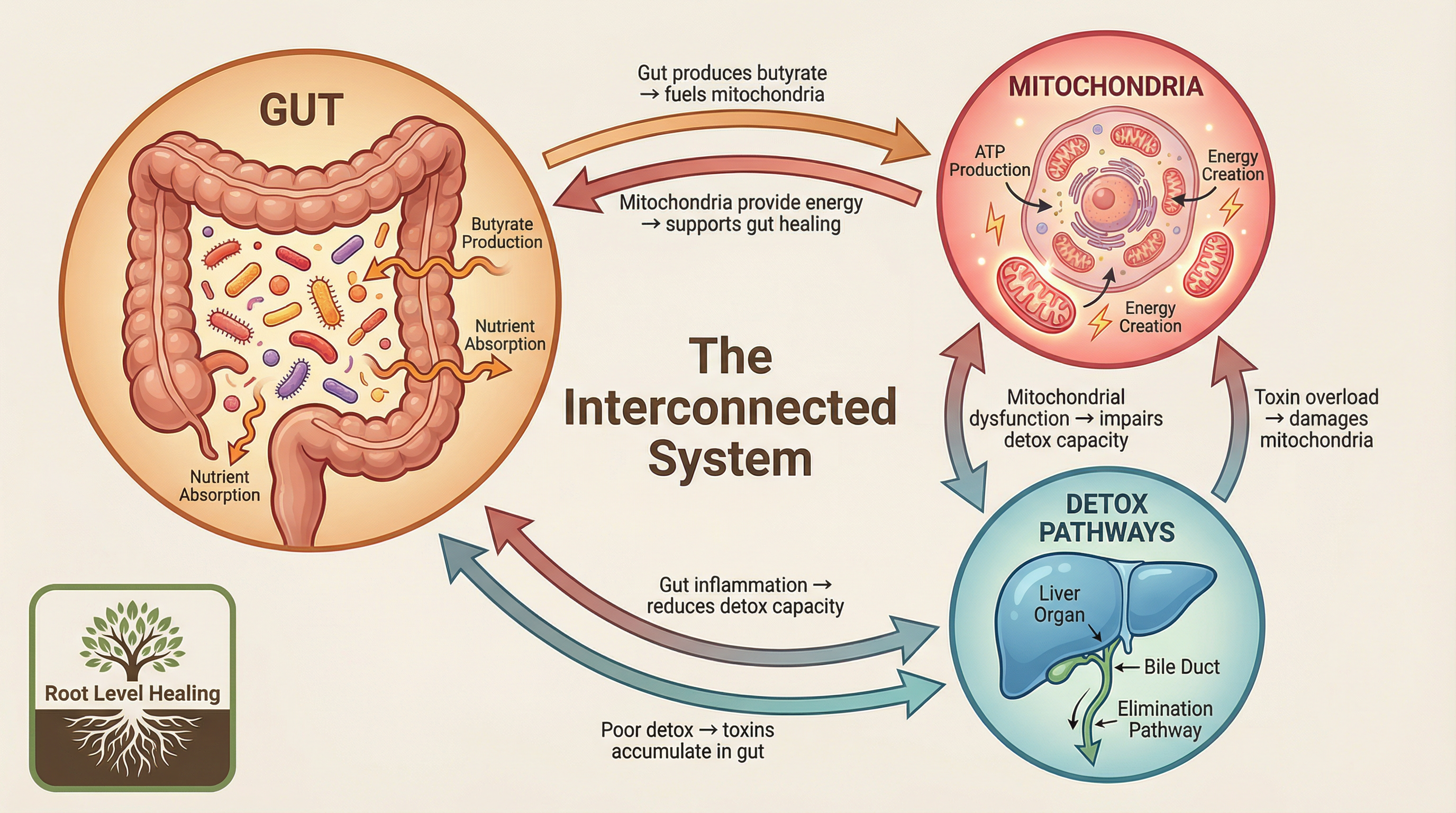
One of the most overlooked aspects of gut health is its intimate connection with mitochondrial function and detoxification. Your gut, mitochondria, and detox pathways form an interconnected system where dysfunction in one area inevitably affects the others. Understanding these connections reveals why addressing heavy metal toxicity and supporting cellular energy production are often essential for complete gut healing.
How Heavy Metals Damage Your Gut
Heavy metals like mercury, lead, cadmium, and arsenic are particularly destructive to gut health, yet their impact is rarely discussed in conventional approaches to digestive disorders. These toxic metals accumulate in the body over time through contaminated water, food, air pollution, dental amalgams, and environmental exposures. Once inside your body, they wreak havoc on your gut in multiple ways.
Mercury is one of the most damaging heavy metals to gut health. Studies show that mercury directly increases intestinal permeability by damaging tight junction proteins, leading to leaky gut syndrome. It also alters gut microbiome composition, reducing beneficial bacteria like Lactobacillus while promoting the growth of antibiotic-resistant pathogenic strains. Mercury from dental amalgam fillings continuously releases vapor that is swallowed and enters the digestive tract, creating chronic gut inflammation.
Lead disrupts the gut barrier by interfering with calcium-dependent tight junction proteins. It also depletes glutathione, your body's master antioxidant, leaving gut cells vulnerable to oxidative damage. Lead exposure has been linked to increased intestinal permeability, altered gut motility, and changes in gut bacteria composition that persist long after exposure ends.
Cadmium, primarily from cigarette smoke and contaminated food, causes direct damage to intestinal cells and triggers inflammatory cascades in the gut. It disrupts mineral absorption (particularly zinc, iron, and calcium) and interferes with the production of metallothioneins, proteins that normally protect against heavy metal toxicity.
Arsenic, found in contaminated groundwater and rice, alters gut microbiome composition and increases susceptibility to gut infections. It also damages the intestinal lining and impairs the gut's ability to produce protective mucus, leaving it vulnerable to pathogens and toxins.
The gut serves as a primary elimination pathway for heavy metals, but when gut function is compromised, metals cannot be efficiently excreted. This creates a vicious cycle: heavy metals damage the gut, the damaged gut cannot eliminate metals effectively, and metals continue to accumulate and cause more damage.
This is why addressing heavy metal toxicity is often essential for people with chronic gut issues that haven't responded to conventional treatments. Clean Slate provides a gentle yet effective solution by binding heavy metals in the digestive tract (its water-soluble fragments are also designed to work beyond the gut, as Dr. Christina Rahm's granted patents (US 10,894,721 B2 and US 12,582,671 B1) describe) and safely removing them from the body. Unlike harsh chelation protocols that can mobilize metals faster than the body can eliminate them (potentially worsening symptoms), Clean Slate works gently to capture and remove metals without overwhelming your system.
The Gut-Mitochondria Axis: How Your Gut Fuels Cellular Energy
Your gut and your mitochondria—the energy-producing powerhouses in your cells—are intimately connected through multiple pathways. A healthy gut supports optimal mitochondrial function, while mitochondrial dysfunction impairs gut healing. Understanding this connection reveals why people with chronic gut issues often experience profound fatigue and why supporting cellular energy production accelerates gut healing.
Butyrate: The Mitochondrial Fuel from Your Gut
When beneficial gut bacteria ferment dietary fiber, they produce short-chain fatty acids (SCFAs), particularly butyrate. Butyrate is the primary fuel source for colonocytes (the cells lining your colon) and plays a crucial role in maintaining gut barrier integrity. But butyrate's benefits extend far beyond the gut—it's also a powerful supporter of mitochondrial function throughout your body.
Butyrate enhances mitochondrial biogenesis (the creation of new mitochondria), improves mitochondrial efficiency, reduces oxidative stress in mitochondria, and supports the production of ATP (cellular energy currency). People with gut dysbiosis produce less butyrate, which directly impairs mitochondrial function and contributes to the fatigue commonly experienced with gut disorders.
This is why increasing dietary fiber and supporting beneficial gut bacteria (through probiotics and prebiotics like those in ReLive Greens) doesn't just improve digestion—it also boosts energy levels by supporting mitochondrial function throughout your body.
Gut Inflammation Depletes Cellular Energy
Chronic gut inflammation triggers a systemic inflammatory response that directly damages mitochondria. Inflammatory cytokines like TNF-alpha and IL-6 impair mitochondrial function, reduce ATP production, and increase oxidative stress. This creates a state of "cellular exhaustion" where your cells cannot produce adequate energy to function optimally.
The gut requires significant energy to maintain its barrier function, produce mucus, regenerate cells, and support immune function. When mitochondrial function is impaired, the gut cannot heal effectively, creating another vicious cycle: gut inflammation damages mitochondria, damaged mitochondria cannot provide the energy needed for gut healing, and the gut remains inflamed and permeable.
Endotoxins (LPS) Damage Mitochondria
When the gut barrier is compromised (leaky gut), bacterial endotoxins called lipopolysaccharides (LPS) enter the bloodstream. These endotoxins trigger widespread inflammation and directly damage mitochondria throughout the body. LPS impairs mitochondrial respiration, increases reactive oxygen species (ROS) production, and triggers mitochondrial dysfunction that contributes to chronic fatigue, brain fog, and metabolic disorders.
Healing leaky gut and reducing endotoxin load is therefore essential for restoring mitochondrial function and cellular energy production. This connection explains why people often experience dramatic improvements in energy, mental clarity, and overall vitality when they successfully heal their gut.
For a deeper understanding of how to support your mitochondria and optimize cellular energy production, see our comprehensive guide on mitochondrial health and optimization.
Your Gut as the Primary Detoxification Pathway
While most people think of the liver as the primary detox organ, your gut plays an equally critical role in eliminating toxins from your body. In fact, the gut is often the rate-limiting factor in detoxification—if your gut isn't functioning optimally, toxins cannot be efficiently eliminated, regardless of how well your liver is working.
The Liver-Gut Connection
Your liver processes toxins through Phase I and Phase II detoxification pathways, converting fat-soluble toxins into water-soluble compounds that can be excreted. These processed toxins are then packaged into bile, which is released into your small intestine. From there, they should be bound by fiber and eliminated through bowel movements.
However, if you're constipated, have insufficient fiber intake, or have gut dysbiosis, these toxins can be reabsorbed through a process called enterohepatic recirculation. Certain harmful gut bacteria produce an enzyme called beta-glucuronidase that breaks down the conjugated toxins in bile, allowing them to be reabsorbed back into your bloodstream. This creates a toxic loop where the same toxins circulate repeatedly, increasing your total toxic burden.
Bile Flow: Essential for Gut Health and Detoxification
Adequate bile production and flow are essential for both digestion and detoxification. Bile emulsifies fats, making them digestible and allowing absorption of fat-soluble vitamins. It also carries toxins, excess hormones, and heavy metals out of your body through the digestive tract.
Poor bile flow (cholestasis) contributes to constipation, fat malabsorption, toxin accumulation, and bacterial overgrowth in the small intestine (SIBO). Supporting liver function and optimizing bile production with nutrients like taurine, glycine, and bitter herbs is crucial for both gut health and detoxification.
Clean Spirits is specifically formulated to support liver function and enhance bile production. By optimizing your body's natural detoxification processes and ensuring adequate bile flow, Clean Spirits helps prevent toxin reabsorption and supports the gut's critical role in elimination.
Constipation Equals Retoxification
Regular bowel movements (ideally 1-2 times daily) are essential for eliminating toxins from your body. When you're constipated, toxins sit in your colon longer, increasing the likelihood of reabsorption. This is why addressing constipation is a critical first step in any detoxification or gut-healing protocol.
Supporting regular elimination requires adequate hydration (half your body weight in ounces of water daily), sufficient fiber intake (25-35 grams daily), beneficial gut bacteria that support gut motility, magnesium (which relaxes the bowels and draws water into the colon), and regular physical activity. If constipation persists despite these interventions, investigate underlying causes like hypothyroidism, SIBO, or pelvic floor dysfunction.
The interconnections between gut health, mitochondrial function, and detoxification reveal why a truly comprehensive approach to gut healing must address all three systems. By removing heavy metals with Clean Slate, supporting liver and bile function with Clean Spirits, and providing targeted gut healing support with Restore, you create the optimal conditions for complete gut restoration and whole-body vitality.
Your 4-Week Gut Healing Action Plan
Knowledge without action changes nothing. This 4-week protocol provides a step-by-step roadmap for implementing everything you've learned in this guide. Each week builds on the previous one, systematically addressing the root causes of gut dysfunction while supporting your body's natural healing capacity. Commit to following this plan consistently, and you'll likely notice significant improvements in digestion, energy, mental clarity, and overall well-being.
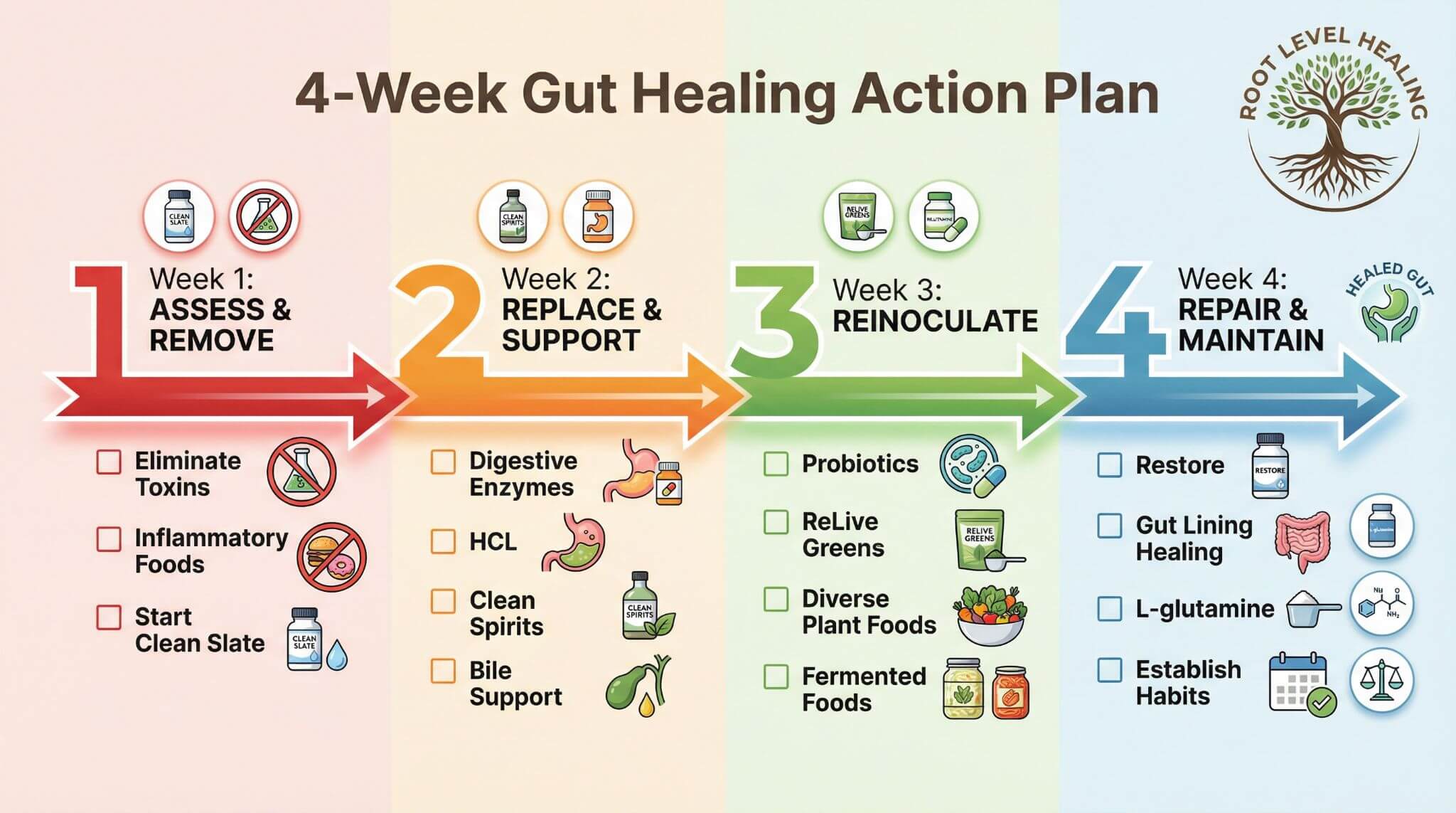
Week 1: ASSESS & REMOVE - Eliminate Gut Irritants and Toxins
Primary Focus: Remove inflammatory foods, reduce toxic burden, and begin supporting elimination pathways.
Dietary Changes:
- Eliminate gluten, dairy, sugar, processed foods, alcohol, and industrial seed oils
- Focus on whole, unprocessed foods: vegetables, fruits, clean proteins, nuts, seeds
- Increase water intake to half your body weight in ounces daily
- Begin a food and symptom journal to track your progress
Lifestyle Changes:
- Implement stress-reduction practice (10 minutes daily meditation or deep breathing)
- Prioritize sleep (aim for 7-9 hours nightly)
- Add gentle movement (20-minute daily walk)
- Reduce exposure to environmental toxins (switch to natural cleaning products, filter water)
Supplement Protocol:
- Clean Slate - Start with 2 drops twice daily, gradually increasing to 5-10 drops twice daily as tolerated. This gentle zeolite-based formula binds and removes heavy metals and toxins without overwhelming your system.
- Digestive Enzymes - Take a comprehensive enzyme formula with each meal to support digestion while your gut heals
- Magnesium Citrate or Glycinate - 300-400mg before bed to support relaxation, sleep, and bowel regularity
What to Expect: The first week may involve detox symptoms as your body begins eliminating stored toxins. You might experience headaches, fatigue, skin breakouts, or temporary worsening of digestive symptoms. These are signs that detoxification is occurring. Support your body with extra water, rest, and gentle movement. Most people notice reduced bloating and improved energy by the end of week one.
Week 2: REPLACE & SUPPORT - Restore Digestive Function
Primary Focus: Support stomach acid, enzyme production, and bile flow while continuing to eliminate inflammatory foods.
Dietary Changes:
- Continue elimination diet from Week 1
- Add fermented foods (sauerkraut, kimchi, kefir) - start with 1-2 tablespoons daily
- Include bitter foods (arugula, dandelion greens, radicchio) to stimulate bile flow
- Eat mindfully - chew thoroughly, avoid eating when stressed, don't drink large amounts of liquid with meals
Lifestyle Changes:
- Continue stress management and sleep optimization
- Increase movement to 30 minutes daily
- Practice deep breathing before meals to activate parasympathetic (rest-and-digest) nervous system
- Consider vagus nerve stimulation techniques (humming, gargling, cold exposure)
Supplement Protocol:
- Continue Clean Slate - Maintain your established dose (5-10 drops twice daily)
- Clean Spirits - Add this liver and bile support formula as directed to enhance detoxification and improve fat digestion
- Continue Digestive Enzymes with meals
- Betaine HCL (if low stomach acid is suspected) - Start with 1 capsule with protein meals, gradually increase until you feel warmth, then back down one capsule. Work with a practitioner for guidance.
- Continue Magnesium before bed
What to Expect: Digestion should improve noticeably this week. You may experience better bowel regularity, reduced bloating after meals, and improved energy levels. Sleep quality often improves as stress hormones normalize and blood sugar stabilizes.
Week 3: REINOCULATE - Rebuild Your Microbiome
Primary Focus: Actively rebuild beneficial gut bacteria through probiotics, prebiotics, and diverse plant foods.
Dietary Changes:
- Continue clean, whole-foods diet
- Increase prebiotic foods (garlic, onions, leeks, asparagus, bananas, oats, apples)
- Aim for 30 different plant foods this week (count all fruits, vegetables, nuts, seeds, legumes, whole grains)
- Increase fermented food intake to 2-3 servings daily
- Gradually increase fiber intake (add 5 grams per week to reach 25-35 grams daily)
Lifestyle Changes:
- Continue all practices from previous weeks
- Add variety to movement (yoga, swimming, hiking, strength training)
- Spend time in nature (exposure to diverse environmental microbes supports gut diversity)
- Consider getting a pet or spending time with animals (exposure to animal microbiomes enhances human gut diversity)
Supplement Protocol:
- Continue Clean Slate - Reduce to maintenance dose (5 drops twice daily or 10 drops once daily)
- Continue Clean Spirits as directed
- ReLive Greens - Add this comprehensive superfood blend containing probiotics, prebiotics, and nutrient-dense greens. Take daily as directed to support microbiome diversity and provide essential nutrients for gut healing.
- Continue Digestive Enzymes (may reduce frequency as digestion improves)
- Continue Magnesium before bed
What to Expect: This is often the week where people experience breakthrough improvements. Energy levels increase significantly, mental clarity improves, mood stabilizes, and digestive symptoms continue to diminish. You may notice improved skin appearance and reduced inflammation throughout your body.
Week 4: REPAIR & MAINTAIN - Support the Gut Lining and Establish Long-Term Habits
Primary Focus: Provide nutrients that support the intestinal lining and establish sustainable habits for long-term gut health.
Dietary Changes:
- Begin careful food reintroduction if desired (introduce one food every 3 days, monitor symptoms)
- Maintain diverse, whole-food diet as your foundation
- Include collagen-rich foods (bone broth, slow-cooked meats, fish with skin)
- Continue fermented foods and prebiotic-rich foods daily
- Plan your long-term eating strategy (80/20 rule: eat clean 80% of the time, allow flexibility 20%)
Lifestyle Changes:
- Establish sustainable stress management routine
- Optimize sleep hygiene for consistent 7-9 hours nightly
- Create regular movement routine you enjoy and can maintain
- Reduce toxic exposures in your home and personal care products
- Build community and social connections (social isolation harms gut health)
Supplement Protocol:
- Restore - Add this professional-grade gut healing formula that targets dysbiosis, breaks down biofilm, and provides therapeutic nutrients for gut lining repair. Particularly beneficial for those with persistent leaky gut, SIBO, or dysbiosis.
- Continue ReLive Greens daily for ongoing microbiome support
- KO3 Krill Oil - Add high-quality omega-3s to reduce inflammation and support gut barrier integrity. Take as directed with meals.
- Clean Slate - Reduce to maintenance dose (2-3 times weekly) or cycle on/off
- L-Glutamine - 5-10 grams daily (can be added to water or smoothies) to support gut lining repair
- Zinc Carnosine - 75mg twice daily for targeted gut healing
- Continue Magnesium before bed
What to Expect: By week four, most people experience substantial improvements in all areas—digestion is significantly better, energy is stable throughout the day, mental clarity is sharp, mood is balanced, and sleep is restorative. This is the time to solidify the habits that will maintain your gut health long-term.
Beyond Week 4: Maintaining Gut Health Long-Term
Gut healing is not a one-time event but an ongoing practice. After completing this 4-week protocol, continue the dietary and lifestyle habits that support gut health: eat a diverse, whole-foods diet rich in plants and fermented foods; manage stress through daily practices; prioritize sleep and regular movement; minimize exposure to toxins and unnecessary medications; and maintain gut-supportive supplements as needed.
Most people benefit from continuing ReLive Greens daily for ongoing microbiome support, periodic use of Clean Slate for detoxification (especially after known toxin exposures), and Restore as needed during times of stress or if symptoms begin to return. Consider retesting gut health markers (zonulin, comprehensive stool analysis) after 3-6 months to objectively track your progress.
Remember that occasional setbacks are normal. If you experience a flare-up of symptoms after travel, illness, antibiotic use, or periods of high stress, simply return to the foundational practices in this protocol. Your gut has remarkable healing capacity when given the right support.
Frequently Asked Questions About Gut Health
Here are answers to the most common questions about gut health, healing protocols, and long-term maintenance.
Q: How long does it take to heal your gut?
A: Most people notice significant improvements within 4-8 weeks of implementing a comprehensive gut healing protocol. However, people with conditions like SIBO or severe dysbiosis often need several months and should work with a healthcare provider on diagnosis and treatment. The intestinal lining regenerates every 3-5 days, but rebuilding a healthy microbiome and restoring optimal function takes longer. Factors that affect healing time include the severity of gut damage, how long you've had symptoms, whether you address root causes (like heavy metals or chronic stress), and how consistently you follow the protocol.
Q: Can I heal my gut without supplements?
A: Diet and lifestyle changes alone can significantly improve gut health for many people. However, supplements often accelerate healing and are sometimes necessary for addressing specific issues like severe dysbiosis, leaky gut, or nutrient deficiencies. Think of supplements as tools that support your body's healing capacity while you address root causes. Once your gut has healed, you may be able to reduce or eliminate most supplements, maintaining gut health primarily through diet and lifestyle.
Q: What's the difference between probiotics and prebiotics?
A: Probiotics are live beneficial bacteria that you consume through supplements or fermented foods. They help restore microbial balance, especially after antibiotic use or during active gut healing. Prebiotics are types of fiber that feed beneficial gut bacteria, allowing them to multiply and produce beneficial compounds like short-chain fatty acids. Your gut bacteria need both—the bacteria themselves (probiotics) and the food to sustain them (prebiotics). ReLive Greens provides both in one comprehensive formula, which is more effective than taking either alone.
Q: Do I need to avoid gluten forever?
A: It depends on your individual tolerance and whether you have celiac disease. People with celiac disease must avoid gluten permanently, as even small amounts trigger an autoimmune response. For those with non-celiac gluten sensitivity or leaky gut, eliminating gluten during the healing phase (3-6 months) allows the gut to repair. After healing, some people can reintroduce gluten occasionally without symptoms, while others find they feel better avoiding it long-term. The reintroduction process helps you determine your personal tolerance.
Q: How do I know if I have leaky gut?
A: Leaky gut symptoms include digestive issues, food sensitivities, chronic fatigue, brain fog, skin problems, autoimmune conditions, and frequent infections. Objective testing includes zonulin levels (blood or stool), lactulose-mannitol test, or comprehensive stool analysis. However, many practitioners diagnose leaky gut clinically based on symptoms and response to treatment. If you have multiple symptoms suggesting leaky gut, implementing a healing protocol is reasonable even without testing. Work with a knowledgeable practitioner for guidance.
Q: Can heavy metals cause gut problems?
A: Absolutely. Heavy metals like mercury, lead, and cadmium directly damage the intestinal lining, increase intestinal permeability, disrupt the gut microbiome, and impair detoxification pathways. Many people with chronic gut issues that haven't responded to conventional treatments discover that heavy metal toxicity is an underlying factor. This is why addressing heavy metal toxicity with solutions like Clean Slate is often essential for complete gut healing.
Q: What's the best probiotic for gut health?
A: The "best" probiotic depends on your specific condition. For general gut health, look for multi-strain formulas containing Lactobacillus and Bifidobacterium species with at least 10-50 billion CFUs. For SIBO, some people do better with soil-based organisms or spore-forming probiotics. For antibiotic recovery, high-dose multi-strain probiotics are beneficial. ReLive Greens offers a comprehensive approach by combining diverse probiotic strains with the prebiotic fibers they need to colonize, plus nutrient-dense superfoods that support overall gut health.
Q: Should I do a gut cleanse?
A: Harsh gut cleanses or colonics are generally unnecessary and can sometimes be harmful, disrupting beneficial bacteria and causing electrolyte imbalances. Instead, focus on gentle, comprehensive gut healing protocols that remove irritants, support natural detoxification, and rebuild the microbiome. The 4-week protocol in this guide provides a safe, effective approach to gut healing without the risks associated with aggressive cleanses.
Q: Can stress really damage my gut?
A: Yes, profoundly. Chronic stress activates the sympathetic nervous system, which diverts blood flow and energy away from digestion. Stress hormones like cortisol directly increase intestinal permeability, alter gut bacteria composition, and slow gut motility. The gut-brain axis means this relationship is bidirectional—stress damages gut health, and poor gut health increases stress and anxiety. This is why stress management is not optional for gut healing; it's essential.
Q: How do I maintain gut health long-term?
A: Long-term gut health requires ongoing attention to diet, lifestyle, and stress management. Eat a diverse, whole-foods diet rich in plants and fermented foods; manage stress through daily practices like meditation or yoga; prioritize 7-9 hours of quality sleep; exercise regularly; minimize exposure to toxins and unnecessary medications; and maintain gut-supportive supplements as needed. Consider periodic "tune-ups" with Clean Slate for detoxification and Restore if symptoms begin to return.
Q: What about gut health for my pets?
A: Pets experience gut dysfunction too! Dogs and cats are exposed to many of the same environmental toxins, processed foods, and stressors that damage human gut health. Learn how to support your pet's digestive health and microbiome in our comprehensive Natural Pet Detoxification Guide.
📚 Complete Gut Health Resource Library
Continue your gut health journey with these carefully curated resources from Root Level Healing. Explore in-depth articles covering every aspect of gut healing, from understanding specific conditions to implementing targeted protocols.
🔬 Understanding Gut Health
- The 3 Surprising Signs of Leaky Gut - Discover the unexpected symptoms of intestinal permeability
- Your Gut: The Surprising Epicenter of Aging - How your gut microbiome controls aging and inflammaging
- Gut Dysbiosis: Causes, Symptoms, and Solutions - Restore balance to your microbiome
- Brain Fog and the Gut-Brain Connection - Understand how gut health affects mental clarity
- Understanding Your Gut Microbiome: Complete Guide - Learn about the trillions of organisms in your gut
🧪 Testing & Assessment
- Gut Health Testing: Which Tests You Actually Need - Navigate the world of gut health testing
- How to Interpret Your Stool Test Results - Understand what your test results mean
- SIBO Testing and Diagnosis Guide - Everything you need to know about SIBO testing
🥗 Nutrition & Diet
- 3 Powerful Foods to Help Heal Your Gut - Discover the top gut-healing foods backed by science
- When Diet Isn't Enough: 3 Reasons Your Gut Isn't Healing - Understand why diet alone may not be sufficient
- Elimination Diet Protocol for Gut Healing - Identify your food triggers systematically
- Low FODMAP Diet: Complete Beginner's Guide - Reduce digestive symptoms with this proven approach
- Fermented Foods for Gut Health: Complete Guide - Harness the power of traditional fermented foods
💊 Supplements & Products
- Restore: Complete Product Review - Professional-grade gut healing when diet isn't enough
- Restore Testimonials: Personal Experiences from ROOT Brands Users - Inspiring testimonials and success stories from Restore users, in their own words
- Collagen & Colostrum: Ultimate Anti-Aging Allies - Discover how these supplements support gut healing
- ReLive Greens: Complete Daily Wellness Solution - Probiotics, prebiotics, and superfoods in one formula
- Best Probiotics for Gut Health: 2026 Review - Choose the right probiotic for your needs
- L-Glutamine for Gut Healing: Dosage and Benefits - The most important amino acid for gut repair
- Digestive Enzymes: When You Need Them - Support optimal digestion during healing
🔬 Advanced Strategies
- SIBO Treatment Protocol: Complete Guide - Eliminate bacterial overgrowth effectively
- Candida Overgrowth: Symptoms and Treatment - Address yeast overgrowth naturally
- The Gut-Mitochondria Connection - How gut health affects cellular energy
- How Heavy Metals Damage Your Gut - The overlooked connection between toxins and gut dysfunction
🔗 Related Root Level Healing Guides
- Heavy Metal Detoxification: Complete Guide - Remove the heavy metals and toxins damaging your gut lining and disrupting your microbiome
- Mitochondrial Health: Complete Guide - Optimize cellular energy production for faster gut healing and tissue repair
- Immune System Support & Optimization - Strengthen the 70% of your immune system that resides in your gut
- Brain Chemistry & Neurotransmitter Optimization - Understand the gut-brain axis and how gut health affects mental health
- Environmental Skin Defense & Anti-Aging - Discover how gut health influences skin health and premature aging
- Natural Pet Detoxification Guide - Help your pets achieve optimal gut health and digestion
🧘 Lifestyle & Mind-Body
- The Gut Health Reset Podcast with Dr. Ann-Marie Barter - A functional medicine practitioner's podcast on root-cause gut healing, for readers who want a clinical voice on these topics in audio form
- Stress Management for Gut Health - Calm your mind to heal your gut
- Vagus Nerve Stimulation Techniques - Activate your rest-and-digest nervous system
- Sleep Optimization for Gut Health - Why quality sleep is essential for gut healing

Ready to Transform Your Gut Health?
Heavy metals and environmental toxins are among the most overlooked causes of chronic gut dysfunction. Before implementing any gut healing protocol, it's essential to understand your toxic burden. Take our free Toxicity Score Quiz to discover if heavy metals are sabotaging your gut health—then get personalized recommendations for your healing journey.