Mitochondrial Health: The Ultimate Guide to Boosting Energy & Slowing Aging
Do you wake up exhausted, even after a full night's sleep? Does your brain feel foggy by mid-afternoon? Do you struggle with unexplained fatigue that no amount of coffee seems to fix? If so, the problem might not be in your mind—it's in your cells.
Your mitochondria, the microscopic powerhouses inside every cell, are responsible for producing over 90% of your body's energy. When they're functioning optimally, you feel vibrant, focused, and energized. But when they're damaged or dysfunctional, every system in your body suffers—from your brain and muscles to your immune system and hormones.
The truth is, modern life is waging war on your mitochondria. Environmental toxins, chronic stress, poor diet, and sedentary lifestyles are silently draining your cellular batteries, leaving you exhausted, aging faster, and vulnerable to chronic disease. But here's the good news: you can reverse this damage.
This comprehensive guide will teach you everything you need to know about mitochondrial health—from understanding how these cellular powerhouses work, to implementing science-backed strategies that boost energy, slow aging, and optimize every aspect of your health.
Mitochondrial Health: The Ultimate Guide to Boosting Energy & Slowing Aging (A Quick Overview)
Before diving into the science, watch this quick overview explaining the 10 warning signs of mitochondrial dysfunction and the 4 pillars to restoring your cellular energy.

What Are Mitochondria and Why Do They Matter?
Mitochondria are tiny, bean-shaped organelles found in nearly every cell of your body. Often called the "powerhouses of the cell," they're responsible for converting the food you eat and the oxygen you breathe into ATP (adenosine triphosphate)—the energy currency that fuels every biological process in your body.
But mitochondria do far more than just produce energy. These remarkable structures play critical roles in cell signaling, apoptosis (programmed cell death), calcium regulation, heat production, and managing reactive oxygen species. Mitochondria act as communication hubs, sending signals that regulate metabolism, inflammation, and stress responses. They help your cells adapt to changing conditions and maintain homeostasis.
Mitochondria also determine when damaged or dysfunctional cells should be eliminated through apoptosis—a process essential for preventing cancer and maintaining healthy tissue. They store and release calcium ions, which are critical for muscle contraction, nerve signaling, and hormone secretion. Through thermogenesis, mitochondria generate heat to maintain your body temperature and support metabolic function.
Your body contains an estimated 10 million billion mitochondria—more than the number of stars in the Milky Way galaxy. Cells with high energy demands, like those in your heart, brain, and muscles, contain thousands of mitochondria each. In fact, mitochondria make up about 40% of your heart muscle mass.
Here's what makes mitochondria truly unique: they have their own DNA (mtDNA), separate from the DNA in your cell nucleus. This is because mitochondria were once independent bacteria that formed a symbiotic relationship with our ancestors billions of years ago. This ancient partnership is why mitochondrial health is so fundamental to human vitality.
When your mitochondria are healthy and abundant, you experience sustained energy throughout the day, sharp mental clarity, efficient metabolism, and resilience against stress and disease. But when mitochondrial function declines—a condition called mitochondrial dysfunction—the consequences ripple through every system in your body. For a deeper dive into how mitochondria drive both energy production and detoxification pathways, explore our comprehensive guide on the role of mitochondria in energy and detoxification.
10 Warning Signs of Mitochondrial Dysfunction
Mitochondrial dysfunction doesn't announce itself with a single dramatic symptom. Instead, it manifests as a constellation of seemingly unrelated issues that gradually worsen over time. If you're experiencing multiple symptoms from this list, your mitochondria may be crying out for help.
⚡ Chronic Fatigue & Low Energy
The most common sign of mitochondrial dysfunction is persistent, unexplained fatigue that doesn't improve with rest. You wake up tired, crash in the afternoon, and struggle to complete basic tasks that once felt effortless. Discover the daily wellness trinity for energy, immunity, and vitality that supports optimal mitochondrial function.
🧠 Brain Fog & Cognitive Decline
Your brain uses 20% of your body's energy despite being only 2% of your body weight. When mitochondria falter, mental clarity suffers. You may experience difficulty concentrating, memory problems, slow thinking, or "mental fatigue" that doesn't improve with rest. Learn how to optimize brain chemistry and neurotransmitter production by restoring mitochondrial function.
💪 Muscle Weakness & Poor Exercise Recovery
Muscles are packed with mitochondria to fuel contraction and movement. Mitochondrial dysfunction leads to muscle weakness, exercise intolerance, prolonged recovery times, and unexplained muscle pain or cramping. Explore our complete muscle recovery formula that goes beyond BCAAs to support mitochondrial ATP production, and understand why your muscles aren't recovering properly when mitochondrial function is impaired.
⏰ Accelerated Aging
Mitochondrial decline is one of the hallmarks of aging. When mitochondria malfunction, you may notice premature wrinkles, gray hair, reduced skin elasticity, and an overall appearance of aging faster than your chronological age. Discover how quercetin supports cellular anti-aging and helps eliminate dysfunctional 'zombie' cells that impair mitochondrial function.
👁️ Vision & Hearing Problems
The eyes and ears have high energy demands and are particularly vulnerable to mitochondrial dysfunction. Symptoms include declining vision, light sensitivity, tinnitus (ringing in ears), and hearing loss.
❤️ Heart & Cardiovascular Issues
Your heart beats 100,000 times per day, requiring massive amounts of ATP. Mitochondrial dysfunction can manifest as irregular heartbeat, exercise-induced chest pain, shortness of breath, or unexplained cardiovascular symptoms.
🧬 Neurological Problems
Neurons are highly energy-dependent. Mitochondrial issues can cause migraines, peripheral neuropathy (tingling, numbness), tremors, poor coordination, and increased risk of neurodegenerative diseases.
🍽️ Digestive Issues & Slow Metabolism
Your digestive system requires significant energy for motility, enzyme production, and nutrient absorption. Mitochondrial dysfunction can lead to constipation, bloating, poor digestion, and unexplained weight gain despite eating well. Discover the gut-mitochondria connection and how healing your gut can restore cellular energy, and learn why your body fights fat loss when mitochondrial dysfunction creates metabolic resistance.
🛡️ Weakened Immune System
Immune cells are metabolically active and rely heavily on mitochondria. When mitochondrial function declines, you may experience frequent infections, slow wound healing, and increased susceptibility to illness. Learn how to strengthen your immune system through cellular energy optimization.
⚖️ Hormonal Imbalances
Hormone production and regulation require substantial energy. Mitochondrial dysfunction can disrupt thyroid function, sex hormones, cortisol levels, and insulin sensitivity, leading to a cascade of hormonal issues.
If you're experiencing three or more of these symptoms, it's time to take your mitochondrial health seriously. The good news is that mitochondria are remarkably responsive to the right interventions. With targeted strategies, you can restore mitochondrial function and reclaim your energy and vitality.
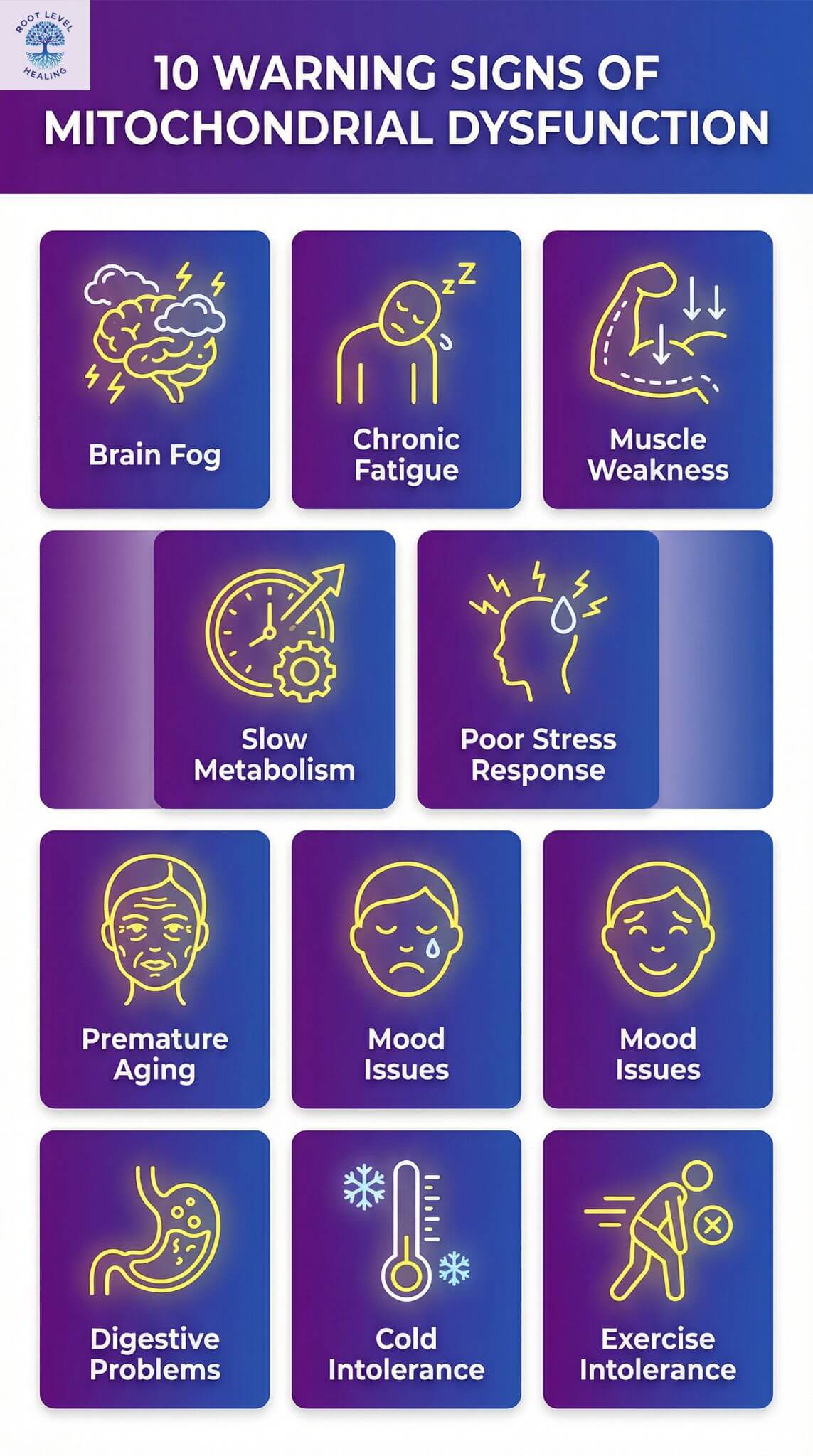
These 10 warning signs indicate your mitochondria may be struggling to produce adequate energy. If you experience 3 or more of these symptoms, it's time to prioritize mitochondrial health optimization.
What Damages Your Mitochondria? The 5 Primary Threats
Understanding what harms your mitochondria is the first step toward protecting them. Modern life exposes us to multiple mitochondrial stressors simultaneously, creating a perfect storm of cellular dysfunction. Here are the five primary threats to your mitochondrial health.
1. Heavy Metals & Environmental Toxins
Heavy metals like mercury, lead, cadmium, and arsenic are potent mitochondrial poisons. They disrupt the electron transport chain, damage mitochondrial DNA, and generate excessive oxidative stress. Environmental toxins including pesticides, plastics (BPA, phthalates), and industrial chemicals also impair mitochondrial function.
These toxins accumulate in your body over years of exposure from contaminated food, water, air, and consumer products. Once inside your cells, they directly damage mitochondrial membranes and interfere with energy production. Heavy metals impair the electron transport chain, reduce ATP production by up to 50%, and generate excessive free radicals that further damage mitochondrial DNA.
If you're dealing with heavy metal toxicity, addressing this should be your first priority. Clean Slate, a patented zeolite-based detoxification solution, safely binds and removes heavy metals like mercury, lead, cadmium, and arsenic without harsh side effects. By eliminating these mitochondrial poisons, you create the foundation necessary for cellular energy restoration. Learn more in our comprehensive Heavy Metal Detoxification Guide and discover how Clean Slate removes what your body can't eliminate naturally.
Key mitochondrial toxins to avoid: Mercury from fish and dental amalgams, lead from old pipes and paint, aluminum from cookware and antiperspirants, glyphosate from conventional produce, and microplastics from food packaging. Discover 10 hidden sources of heavy metals in your home and learn natural detox strategies that protect your mitochondria.
🧹 Remove Mitochondrial Toxins at the Source
Clean Slate uses patented zeolite technology to safely bind and remove heavy metals like mercury, lead, cadmium, and arsenic that poison your mitochondria. By eliminating these toxins that reduce ATP production by up to 50%, you restore the foundation for cellular energy and vitality.
Supporting liver detoxification is equally critical since your liver contains the highest concentration of mitochondria of any organ in your body. Clean Spirits supports your liver's natural detoxification pathways, reduces oxidative stress, and enhances enzyme production for comprehensive cellular wellness. When combined with Clean Slate, this powerful duo addresses both toxin elimination and organ-level mitochondrial support.
2. Chronic Inflammation & Oxidative Stress
Chronic inflammation creates a vicious cycle: inflammation damages mitochondria, which then produce more ROS, which causes more inflammation. This cycle accelerates aging and disease progression. Breaking this cycle requires addressing the root causes of inflammation through targeted dietary strategies, gut health optimization, and stress management techniques.
Your body's master antioxidant, glutathione, plays a critical role in neutralizing the oxidative stress that damages mitochondria. Learn how to boost glutathione levels naturally and discover the most powerful antioxidant-rich foods for mitochondrial protection.
Omega-3 fatty acids are essential for protecting mitochondrial membranes from oxidative damage. KO3 Antarctic Krill Oil provides pharmaceutical-grade omega-3s (EPA and DHA) with 3X better absorption than fish oil, plus astaxanthin—one of the most powerful mitochondrial antioxidants known to science. This combination reduces mitochondrial inflammation, protects membrane integrity, and supports mitochondrial biogenesis.
🐟 Protect Mitochondrial Membranes & Reduce Inflammation
KO3 Antarctic Krill Oil delivers pharmaceutical-grade omega-3 fatty acids (EPA and DHA) with 3X better absorption than fish oil, plus astaxanthin—one of the most powerful mitochondrial antioxidants available. This combination repairs damaged mitochondrial membranes, reduces oxidative stress, and supports mitochondrial biogenesis for enhanced energy production.
Additionally, ReLive Greens provides a comprehensive blend of superfoods, antioxidants, and polyphenols that protect mitochondria from oxidative stress while supplying the B vitamins and minerals essential for energy metabolism. This daily wellness solution bridges nutritional gaps and supports optimal mitochondrial function.
Sources of chronic inflammation include poor diet (especially refined sugars and industrial seed oils), chronic infections, autoimmune conditions, obesity, and psychological stress. When inflammation becomes chronic, it systematically destroys mitochondrial function throughout your body.
3. Poor Diet & Nutrient Deficiencies
Your mitochondria require specific nutrients to function optimally. Deficiencies in B vitamins, magnesium, CoQ10, iron, and other micronutrients directly impair ATP production. Meanwhile, a diet high in refined carbohydrates, sugar, and processed foods overwhelms mitochondria with excess glucose, leading to metabolic dysfunction.
Industrial seed oils (canola, soybean, corn oil) are particularly damaging. These unstable fats incorporate into mitochondrial membranes, making them fragile and prone to oxidative damage. Over time, this dietary assault weakens your cellular powerhouses and accelerates aging.
4. Sedentary Lifestyle & Lack of Exercise
Mitochondria operate on a "use it or lose it" principle. When you're sedentary, your body perceives that you don't need as many mitochondria and begins eliminating them through a process called mitophagy. This reduces your overall mitochondrial capacity and energy production.
Conversely, exercise—especially high-intensity interval training (HIIT)—signals your body to create new mitochondria through mitochondrial biogenesis. Regular physical activity increases mitochondrial density, improves efficiency, and enhances your capacity to generate energy.
5. Chronic Stress & Poor Sleep
Chronic psychological stress elevates cortisol, which directly impairs mitochondrial function and accelerates mitochondrial aging. Stress also increases inflammation and oxidative damage, creating additional burden on your cellular powerhouses.
Sleep is when your body performs critical mitochondrial maintenance and repair. During deep sleep, damaged mitochondria are cleared away and new ones are synthesized. Chronic sleep deprivation prevents this essential maintenance, leading to accumulation of dysfunctional mitochondria and progressive energy decline.
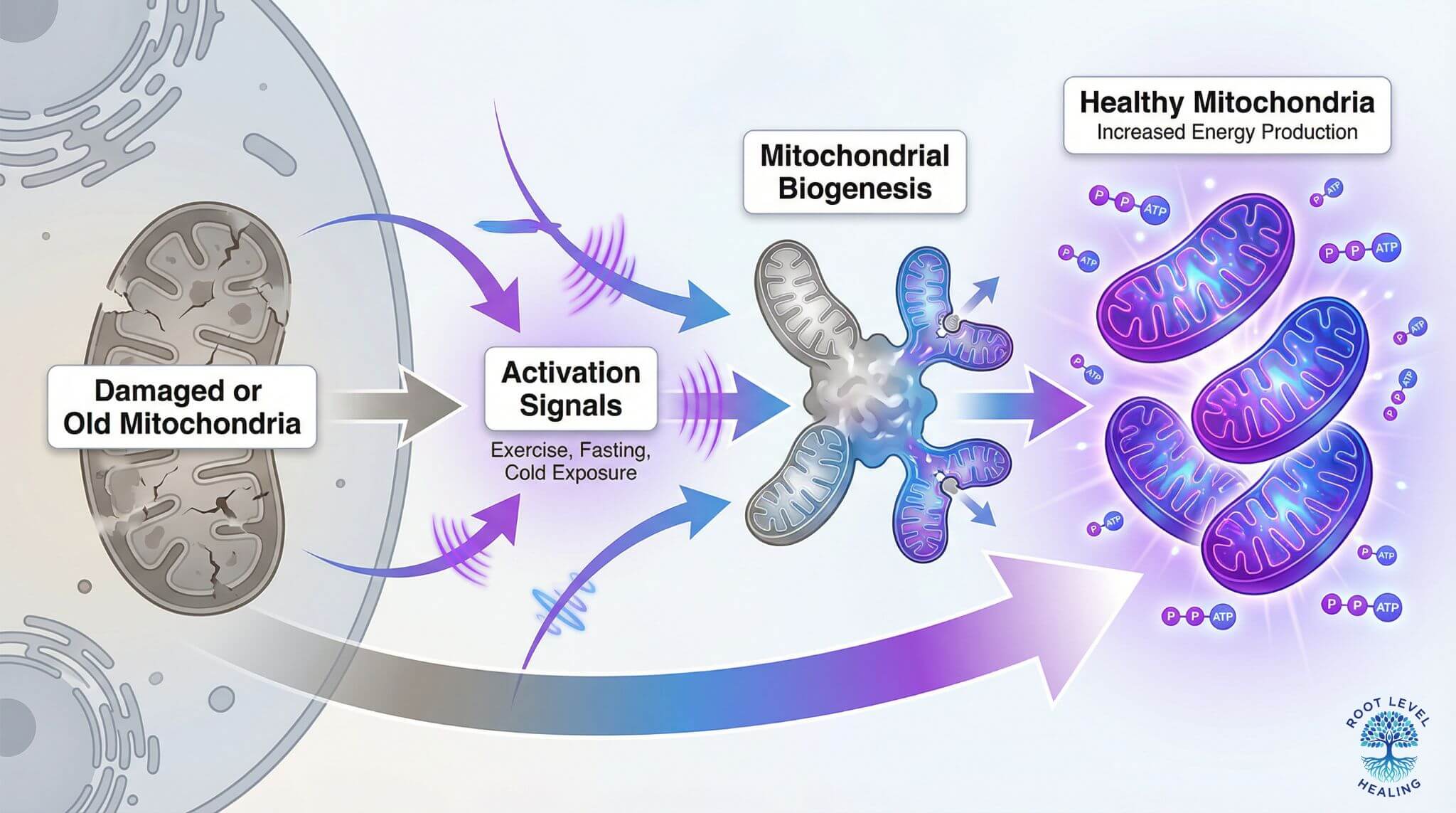
Mitochondrial biogenesis is the process by which your cells create new, healthy mitochondria. Through strategic lifestyle interventions like exercise, fasting, and cold exposure, you can activate cellular pathways that trigger this regenerative process.
How to Test Your Mitochondrial Function
Standard blood tests rarely detect mitochondrial dysfunction until it's severe. If you suspect your mitochondria are struggling, consider these advanced testing options that provide deeper insights into your cellular energy production.
Organic Acids Test (OAT)
The Organic Acids Test is one of the most comprehensive assessments of mitochondrial function. This urine test measures metabolic byproducts that accumulate when mitochondrial pathways are impaired. Elevated markers like pyruvate, lactate, and specific Krebs cycle intermediates indicate where your mitochondrial function is breaking down.
The OAT also reveals nutrient deficiencies (B vitamins, CoQ10, carnitine), oxidative stress levels, and neurotransmitter metabolism. This comprehensive snapshot helps identify the root causes of your fatigue and guides targeted interventions.
Mitochondrial Function Panels
Specialized labs offer advanced mitochondrial function testing that measures ATP production capacity, oxidative stress markers, and mitochondrial DNA damage. These panels typically include measurements of CoQ10 levels, carnitine status, and markers of oxidative damage like 8-OHdG (8-hydroxy-2-deoxyguanosine).
Some functional medicine practitioners use muscle biopsy analysis to directly assess mitochondrial density and function, though this is typically reserved for severe cases or suspected genetic mitochondrial disorders.
Genetic Testing
While not diagnostic for mitochondrial dysfunction, genetic testing (like 23andMe) can reveal genetic variants that affect mitochondrial function. Polymorphisms in genes related to antioxidant production (SOD2, GPX1), methylation (MTHFR), and mitochondrial biogenesis (PGC-1α) can indicate increased vulnerability to mitochondrial damage.
Understanding your genetic predispositions allows you to implement preventive strategies before significant dysfunction develops.
Functional Assessments
Sometimes the best assessment is functional. If you experience post-exertional malaise (feeling worse after exercise rather than energized), this is a strong indicator of mitochondrial dysfunction. Similarly, if you crash after eating carbohydrates or struggle with temperature regulation, these functional signs point to impaired cellular energy production.
The 4 Pillars of Mitochondrial Health
Restoring and optimizing mitochondrial function requires a comprehensive approach. These four foundational pillars work synergistically to recharge your cellular batteries and restore vibrant energy.
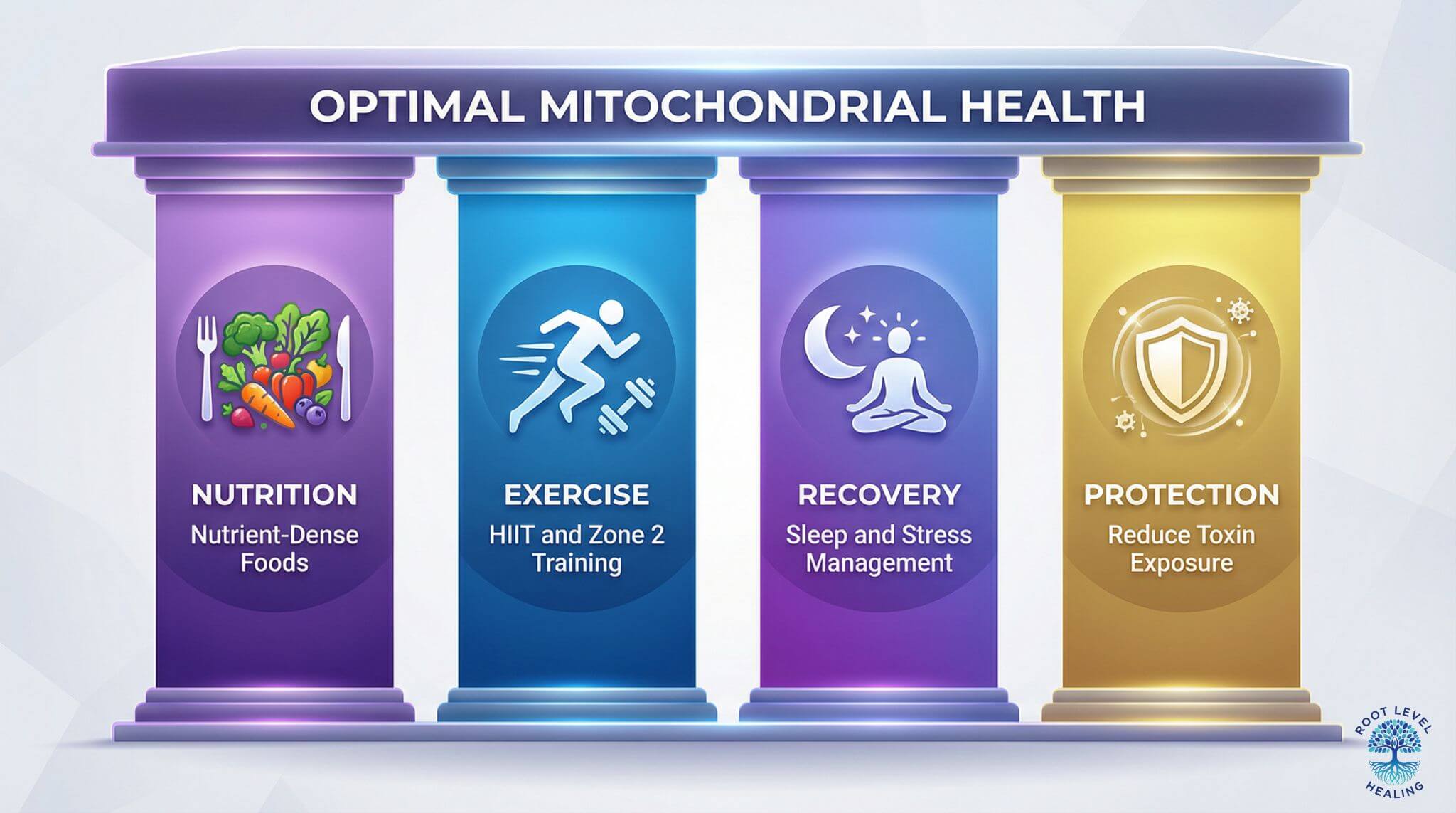
The 4 Pillars of Mitochondrial Health provide a comprehensive framework for optimizing cellular energy production. Each pillar works synergistically to enhance mitochondrial function and boost overall vitality.
Pillar 1: Mitochondrial Nutrition
Your mitochondria require specific nutrients to produce ATP efficiently. A mitochondrial-supportive diet emphasizes nutrient-dense whole foods while eliminating inflammatory triggers.
Eat More: Wild-caught fatty fish (salmon, sardines, mackerel), grass-fed meats, organ meats (liver, heart), pastured eggs, leafy greens, colorful vegetables, berries, nuts and seeds, and healthy fats like olive oil, avocado, and coconut oil.
Essential nutrients for mitochondrial function: Your mitochondria require specific nutrients to produce energy efficiently. CoQ10 is essential for electron transport, B vitamins drive energy metabolism, and magnesium is required for ATP synthesis. Learn about the top 10 mitochondrial superfoods and discover how ketogenic diets enhance mitochondrial function.
Avoid: Refined sugars and carbohydrates, industrial seed oils (canola, soybean, corn, cottonseed), processed foods, artificial additives, and excessive alcohol.
Key Nutrients: B vitamins (especially B2, B3, B12), magnesium, iron, copper, zinc, selenium, CoQ10, carnitine, alpha-lipoic acid, and omega-3 fatty acids. Amino acids are also critical building blocks for mitochondrial proteins and enzymes—learn about the essential amino acid gap that athletes are missing and how it impacts cellular energy production. If you struggle to get adequate nutrition from diet alone, ReLive Greens provides a comprehensive blend of superfoods, prebiotics, probiotics, and essential nutrients that bridge nutritional gaps and support optimal mitochondrial function. This daily wellness solution delivers the antioxidants and B vitamins your mitochondria need for peak energy production.
🌿 Fuel Your Mitochondria with Complete Nutrition
ReLive Greens provides a comprehensive blend of superfoods, antioxidants, prebiotics, probiotics, and essential nutrients that deliver the B vitamins, minerals, and polyphenols your mitochondria need for optimal ATP production. This daily wellness solution bridges nutritional gaps and protects mitochondria from oxidative stress while supporting energy metabolism.
Pillar 2: Mitochondrial Exercise
Exercise is the most powerful stimulus for mitochondrial biogenesis—the creation of new mitochondria. But not all exercise is equal when it comes to mitochondrial health.
High-Intensity Interval Training (HIIT): Short bursts of intense exercise followed by recovery periods create metabolic stress that triggers mitochondrial adaptation. Aim for 2-3 HIIT sessions per week, 15-20 minutes each.
Different exercise modalities support mitochondrial health in unique ways. HIIT training maximizes mitochondrial density, while Zone 2 cardio optimizes fat-burning capacity. Strength training improves metabolic flexibility, and yoga reduces mitochondrial stress. Discover the optimal exercise timing for circadian rhythm support.
Zone 2 Cardio: Moderate-intensity steady-state cardio (where you can still hold a conversation) trains your mitochondria to efficiently burn fat for fuel. Aim for 2-4 sessions per week, 30-60 minutes each.
Strength Training: Resistance exercise increases mitochondrial density in muscle tissue and improves insulin sensitivity. Include 2-3 strength sessions per week.
Movement Throughout the Day: Avoid prolonged sitting. Take walking breaks, use a standing desk, and incorporate movement into your daily routine.
Post-Exercise Recovery: Support mitochondrial recovery and protein synthesis after workouts with essential amino acids. CRUSH (EAA+HMB) provides all nine essential amino acids plus HMB (beta-hydroxy beta-methylbutyrate) to support muscle mitochondria, reduce exercise-induced damage, and accelerate recovery. This is particularly valuable after HIIT or strength training sessions that create metabolic stress.
💪 Accelerate Mitochondrial Recovery & Muscle Growth
CRUSH (EAA+HMB) provides all nine essential amino acids plus HMB to support muscle mitochondria, reduce exercise-induced oxidative damage, and accelerate recovery after intense training. This formula enhances mitochondrial protein synthesis and helps your cellular powerhouses adapt to metabolic stress for improved energy production.
Pillar 3: Mitochondrial Recovery
Your mitochondria repair and regenerate during rest periods. Without adequate recovery, you'll accumulate mitochondrial damage faster than you can repair it.
Sleep Optimization: Aim for 7-9 hours of quality sleep nightly. Prioritize deep sleep by maintaining a cool, dark bedroom, establishing a consistent sleep schedule, and avoiding blue light exposure before bed.
Optimizing sleep quality requires a multi-faceted approach. Master the fundamentals of sleep hygiene, eliminate blue light exposure before bed, and use magnesium to improve sleep quality. Learn about science-backed sleep supplements and discover how to optimize your circadian rhythm naturally.
Stress Management: Chronic stress is mitochondrial poison. Implement daily stress-reduction practices like meditation, breathwork, time in nature, or activities that bring you joy and relaxation.
Effective stress management protects mitochondrial function and supports energy production. Meditation reduces mitochondrial oxidative stress, breathwork activates the vagus nerve, and adaptogenic herbs buffer stress responses. Discover how cold exposure triggers beneficial hormetic stress and learn about sauna therapy for mitochondrial detoxification.
Cold Exposure: Brief cold exposure (cold showers, ice baths, cryotherapy) stimulates mitochondrial biogenesis and improves metabolic flexibility. Start with 30 seconds of cold water at the end of your shower and gradually increase duration.
Heat Exposure: Sauna use (especially infrared sauna) activates heat shock proteins that protect mitochondria from damage and support cellular repair. Aim for 2-4 sauna sessions per week, 15-20 minutes each.
Pillar 4: Mitochondrial Protection
Protecting your mitochondria from damage is just as important as supporting their function. This means reducing toxic exposures and enhancing your body's antioxidant defenses.
Reduce Toxic Exposure: Filter your drinking water, choose organic produce when possible, avoid plastic food containers, use natural cleaning and personal care products, and minimize exposure to environmental pollutants. Learn comprehensive strategies to protect against environmental toxins that damage mitochondria and accelerate aging.
Support Detoxification: Your liver, kidneys, and lymphatic system work to eliminate toxins that damage mitochondria. Support these pathways with adequate hydration, fiber-rich foods, cruciferous vegetables, and regular movement. For comprehensive detoxification support, Clean Slate safely removes accumulated heavy metals that poison mitochondrial function, while Clean Spirits supports your liver's detoxification pathways and protects liver mitochondria from oxidative stress. This powerful combination addresses both toxin elimination and organ-level mitochondrial support.
🛡️ Protect Liver Mitochondria & Enhance Detoxification
Clean Spirits provides comprehensive liver support with milk thistle, NAC, and liver-protective compounds that optimize detoxification pathways and reduce oxidative stress. Since your liver contains the highest concentration of mitochondria of any organ, protecting liver mitochondria is essential for whole-body energy production and toxin elimination.
Enhance Antioxidant Status: Consume antioxidant-rich foods (berries, dark chocolate, green tea, colorful vegetables) and consider targeted supplementation with glutathione precursors, vitamin C, vitamin E, and selenium.
Optimize Circadian Rhythm: Your mitochondria follow a circadian rhythm. Support this by getting morning sunlight exposure, eating meals during daylight hours, and maintaining consistent sleep-wake times.
Advanced Mitochondrial Support: Supplements & Biohacking
While the four pillars form the foundation, targeted supplements and advanced strategies can accelerate mitochondrial recovery and optimization. These interventions are particularly valuable if you're dealing with significant mitochondrial dysfunction.
Core Mitochondrial Supplements
CoQ10 (Coenzyme Q10)
CoQ10 (Coenzyme Q10) is essential for electron transport in the mitochondrial respiratory chain. As you age, CoQ10 levels decline significantly, making supplementation crucial for maintaining energy production. Learn the difference between CoQ10 and ubiquinol and discover the best CoQ10 supplements for absorption.
PQQ (Pyrroloquinoline Quinone)
PQQ (Pyrroloquinoline Quinone) is one of the most powerful mitochondrial biogenesis activators available. PQQ stimulates the growth of new mitochondria and provides neuroprotective benefits.
NAD+ Boosters (NMN, NR, β-NAD)
NAD+ (nicotinamide adenine dinucleotide) is the master coenzyme for mitochondrial energy production, and levels decline by 50% by age 40. This dramatic decline is a primary driver of aging and mitochondrial dysfunction. NAD+ decline accelerates aging at the cellular level, making supplementation essential for maintaining mitochondrial health. Learn more about NAD+ and its critical role in cellular health and mitochondrial function.
Immune Defense Shield contains β-NAD-Quercetin, a revolutionary formula that combines a direct NAD+ precursor with quercetin—a powerful flavonoid that enhances mitochondrial function and reduces oxidative stress. Unlike standard NAD+ precursors, β-NAD provides immediate support for mitochondrial energy production while protecting DNA integrity, including mitochondrial DNA. This synergistic blend of vitamins, minerals, and flavonoids elevates cellular wellness and combats the effects of aging at the mitochondrial level.
⚡ Boost NAD+ & Protect Mitochondrial DNA
Immune Defense Shield features β-NAD-Quercetin, a revolutionary formula combining a direct NAD+ precursor with quercetin for enhanced mitochondrial function. Unlike standard NAD+ precursors, β-NAD provides immediate support for ATP production while protecting mitochondrial DNA integrity. This synergistic blend combats cellular aging at the mitochondrial level.
Additional NAD+ precursors include NMN (nicotinamide mononucleotide) and NR (nicotinamide riboside). Compare NMN vs NR for NAD+ optimization and learn about using niacin to boost NAD+ naturally. For most people, starting with a comprehensive formula like Immune Defense Shield provides the most complete mitochondrial support.
PQQ (Pyrroloquinoline Quinone): PQQ stimulates mitochondrial biogenesis, promoting the growth of new mitochondria. It also protects existing mitochondria from oxidative damage. Dose: 10-20mg daily.
L-Carnitine: Carnitine transports fatty acids into mitochondria for energy production. Supplementation improves fat metabolism and reduces fatigue. Dose: 500-2000mg daily of acetyl-L-carnitine.
Alpha-Lipoic Acid (ALA): This universal antioxidant works in both water and fat-soluble environments, protecting mitochondrial membranes from oxidative damage. It also regenerates other antioxidants like vitamin C and glutathione. Dose: 300-600mg daily.
Magnesium: Required for over 300 enzymatic reactions, including ATP synthesis. Most people are deficient. Dose: 300-600mg daily of highly bioavailable forms like magnesium glycinate or threonate.
B-Complex Vitamins: B vitamins are cofactors in the Krebs cycle and electron transport chain. A high-quality B-complex ensures you have adequate levels of all B vitamins. Look for methylated forms (methylfolate, methylcobalamin).
Advanced Biohacking Strategies
Red Light Therapy (Photobiomodulation)
Red Light Therapy (photobiomodulation) directly energizes mitochondria by stimulating cytochrome c oxidase in the electron transport chain. Learn how to use red light therapy effectively, discover the best red light therapy devices, and understand optimal wavelengths for mitochondrial function.
Cold Exposure & Thermogenesis
Cold Exposure triggers mitochondrial biogenesis and activates brown adipose tissue for thermogenesis. Start with cold showers for beginners, progress to ice bath protocols for advanced users, and learn about the Wim Hof Method for cold adaptation.
Intermittent Fasting
Intermittent Fasting is one of the most powerful mitochondrial optimization strategies. Fasting triggers autophagy and mitophagy, learn the 16:8 fasting protocol, and discover fasting-mimicking diets for easier implementation.
Advanced Mitochondrial Strategies
Intermittent Fasting: Fasting triggers autophagy and mitophagy—processes that clear out damaged mitochondria and stimulate the production of new, healthy ones. Start with a 12-14 hour overnight fast and gradually extend to 16-18 hours if appropriate for your health status.
Ketogenic Diet or Cyclical Ketosis: Ketones are a highly efficient fuel source for mitochondria, producing more ATP with less oxidative stress than glucose. Consider periodic ketogenic phases or incorporating exogenous ketones.
Red Light Therapy: Near-infrared light (600-1000nm) penetrates tissues and directly stimulates mitochondrial function by enhancing cytochrome c oxidase activity in the electron transport chain. Use a quality red light therapy device for 10-20 minutes daily.
Hyperbaric Oxygen Therapy (HBOT): Increased oxygen availability under pressure enhances mitochondrial function and stimulates the growth of new blood vessels. HBOT can be particularly beneficial for severe mitochondrial dysfunction.
NAD+ Precursors: NAD+ (nicotinamide adenine dinucleotide) is essential for mitochondrial energy production and declines dramatically with age. Supplementing with NAD+ precursors like NMN (nicotinamide mononucleotide) or NR (nicotinamide riboside) can restore mitochondrial function. Dose: 250-500mg daily.
The Gut-Mitochondria Axis: A Critical Connection
Emerging research reveals a profound bidirectional relationship between your gut microbiome and mitochondrial health. This gut-mitochondria axis is so important that optimizing one without addressing the other will limit your results.
Optimizing the gut-mitochondria axis requires a comprehensive approach to digestive health. Follow a proven gut healing protocol, use probiotics that support mitochondrial function, and consume prebiotics that increase butyrate production. Learn about how leaky gut damages mitochondria and discover the gut-brain-energy axis connection.
Your gut bacteria produce metabolites that directly influence mitochondrial function. Short-chain fatty acids (SCFAs) like butyrate, produced by beneficial gut bacteria fermenting fiber, serve as fuel for colonocytes and signal mitochondria throughout your body to increase energy production. Conversely, dysbiosis (an imbalanced microbiome) produces inflammatory compounds and endotoxins that damage mitochondria.
Mitochondria also influence gut health. When intestinal cells have dysfunctional mitochondria, the gut barrier weakens, leading to increased intestinal permeability ("leaky gut"). This allows bacterial endotoxins to enter your bloodstream, triggering systemic inflammation that further damages mitochondria throughout your body.
Supporting the Gut-Mitochondria Axis
Eat Prebiotic Fiber: Feed beneficial bacteria with diverse plant fibers from vegetables, fruits, legumes, and resistant starch. Aim for 30+ different plant foods per week.
Include Fermented Foods: Sauerkraut, kimchi, kefir, and other fermented foods provide beneficial bacteria and support microbial diversity.
Consider Probiotic Supplementation: High-quality multi-strain probiotics can help restore beneficial bacteria, especially after antibiotic use or if you have digestive issues.
Heal the Gut Lining: Support intestinal barrier integrity with L-glutamine, zinc carnosine, collagen, and bone broth.
Reduce Gut Inflammation: Eliminate food sensitivities, reduce alcohol consumption, and address chronic infections or SIBO (small intestinal bacterial overgrowth).
Your 4-Week Mitochondrial Reboot Action Plan
Ready to transform your mitochondrial health? This progressive 4-week plan builds sustainable habits that will recharge your cellular batteries and restore your energy. Each week adds new strategies while maintaining previous ones.
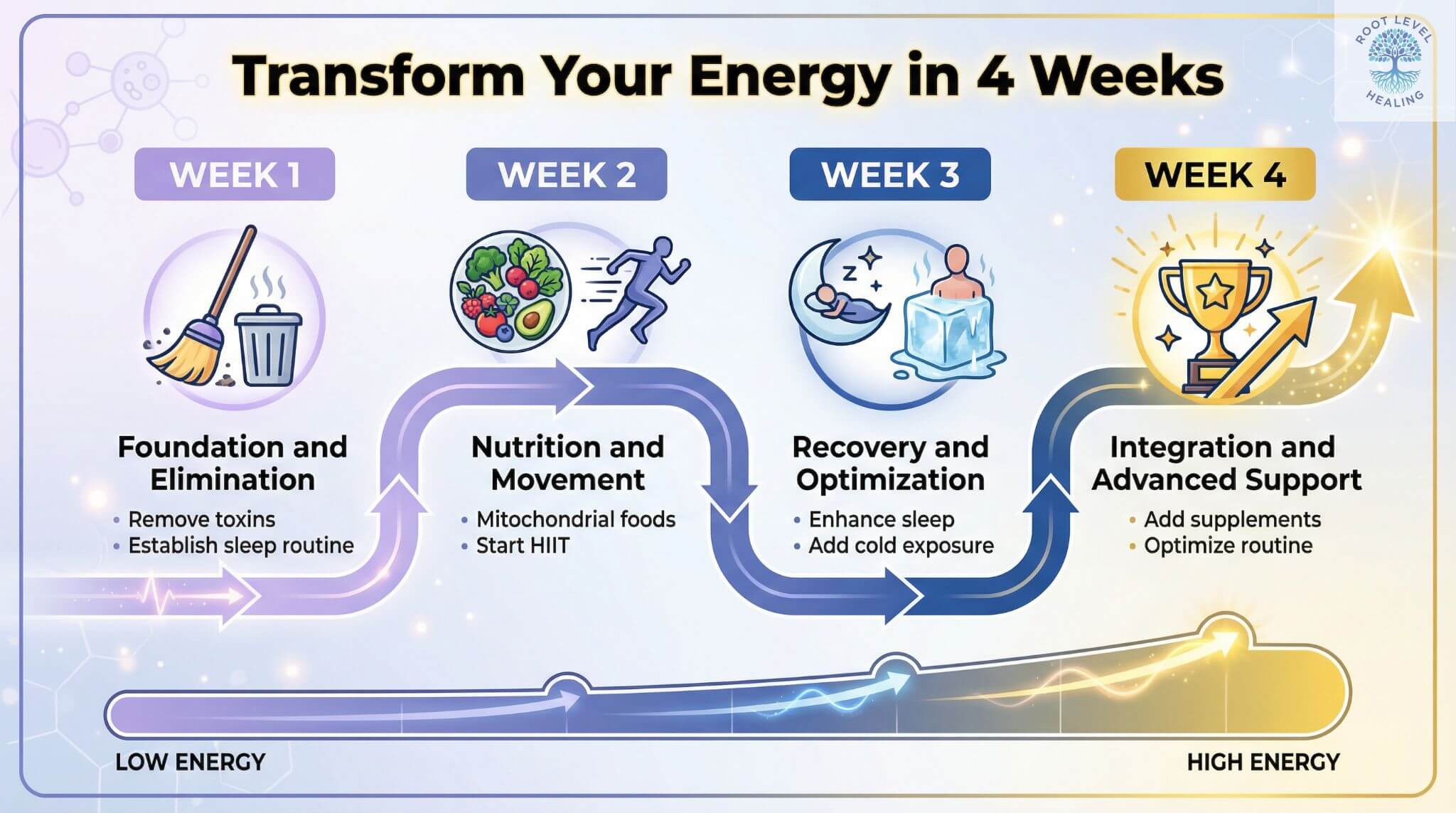
This 4-week progressive action plan provides a structured roadmap to transform your mitochondrial health and energy levels. Each week builds upon the previous, creating sustainable habits that support long-term cellular vitality.
Week 1: Foundation & Elimination
Focus: Remove mitochondrial toxins and establish baseline habits.
- Eliminate refined sugars, industrial seed oils, and processed foods
- Start Clean Slate to remove heavy metals and environmental toxins that damage mitochondria
- Establish a consistent sleep schedule (same bedtime/wake time daily)
- Take a 15-minute walk after each meal
- Start a basic supplement protocol: magnesium and B-complex
- Consider adding Clean Spirits to support liver mitochondria and detoxification pathways
- Filter your drinking water
- Track your energy levels and symptoms in a journal
Week 2: Nutrition & Movement
Focus: Implement mitochondrial-supportive nutrition and exercise.
- Continue Week 1 habits (Clean Slate, Clean Spirits, sleep, walking)
- Add CoQ10 (200mg daily) to your supplement routine
- Start KO3 Antarctic Krill Oil for omega-3s and astaxanthin (powerful mitochondrial antioxidant)
- Add ReLive Greens for comprehensive nutritional support, antioxidants, and B vitamins
- Begin HIIT training: 2 sessions per week, 15 minutes each
- Add 30 minutes of Zone 2 cardio, 2-3 times per week
- Consider CRUSH (EAA+HMB) for post-workout recovery and mitochondrial protein synthesis
- Increase vegetable intake to 6-8 servings daily, emphasizing variety and color
Week 3: Recovery & Optimization
Focus: Enhance recovery and add advanced strategies.
- Continue Weeks 1-2 habits
- Add L-carnitine (1000mg) and alpha-lipoic acid (300mg) to supplements
- Implement 30 seconds of cold exposure at the end of daily showers
- Practice 10 minutes of meditation or breathwork daily
- Try intermittent fasting: 12-14 hour overnight fast
- Get 15 minutes of morning sunlight exposure within 1 hour of waking
- Add 2 strength training sessions per week
Week 4: Integration & Advanced Support
Focus: Integrate all strategies and add personalized interventions.
- Continue Weeks 1-3 habits
- Add Immune Defense Shield with β-NAD-Quercetin for direct NAD+ support and mitochondrial DNA protection
- Consider adding PQQ (10-20mg) for mitochondrial biogenesis
- Extend intermittent fasting to 16 hours if feeling good
- Increase cold exposure to 1-2 minutes
- Add sauna sessions: 2-3 times per week, 15-20 minutes
- Experiment with red light therapy if available
- Consider Give Me Back My Youth for comprehensive anti-aging and cellular regeneration support
- Reassess your energy levels and symptoms—you should notice significant improvements
Beyond Week 4: Continue these practices as your new baseline. Listen to your body and adjust intensity based on your response. Most people notice significant energy improvements within 2-4 weeks, with continued gains over 3-6 months as mitochondrial density increases.
🌟 Comprehensive Anti-Aging & Cellular Regeneration
Give Me Back My Youth provides a comprehensive anti-aging formula that supports cellular regeneration, mitochondrial function, and whole-body vitality. This advanced solution combines collagen, colostrum, and targeted nutrients to combat aging at the cellular level, enhance mitochondrial biogenesis, and restore youthful energy and resilience.
Frequently Asked Questions
Q: How long does it take to improve mitochondrial function?
A: Most people notice initial improvements in energy and mental clarity within 2-4 weeks of implementing mitochondrial support strategies. However, significant increases in mitochondrial density and function typically take 3-6 months of consistent effort. The timeline depends on your starting point, the severity of dysfunction, and how comprehensively you implement the strategies.
Q: Can mitochondrial damage be reversed?
A: Yes, in most cases mitochondrial damage can be reversed through targeted interventions. Your body has remarkable capacity for mitochondrial repair through autophagy (clearing damaged mitochondria) and biogenesis (creating new mitochondria). However, genetic mitochondrial disorders and severe long-term damage may have limitations. The key is addressing the root causes of damage while supporting repair mechanisms.
Q: What's the single most important thing I can do for my mitochondria?
A: If you can only do one thing, prioritize exercise—specifically a combination of HIIT and Zone 2 cardio. Exercise is the most powerful natural stimulus for mitochondrial biogenesis and has cascading benefits for every aspect of mitochondrial health. That said, a comprehensive approach addressing all four pillars will yield the best results.
Q: Are mitochondrial supplements safe?
A: The core mitochondrial supplements (CoQ10, L-carnitine, alpha-lipoic acid, magnesium, B vitamins) have excellent safety profiles when used at recommended doses. They're generally well-tolerated with minimal side effects. However, always consult with a healthcare provider before starting new supplements, especially if you have existing health conditions or take medications.
Q: Can I have mitochondrial dysfunction even if my blood tests are normal?
A: Absolutely. Standard blood tests (CBC, CMP, thyroid panel) rarely detect mitochondrial dysfunction until it's severe. Mitochondrial issues often manifest as symptoms (fatigue, brain fog, exercise intolerance) long before they show up on conventional labs. This is why specialized testing like the Organic Acids Test is valuable for assessing mitochondrial function.
Q: Is coffee good or bad for mitochondria?
A: Moderate coffee consumption (1-3 cups daily) can actually benefit mitochondrial health. Coffee is rich in antioxidants and polyphenols that protect mitochondria from oxidative damage. Caffeine also stimulates mitochondrial biogenesis. However, excessive consumption or dependence on coffee to mask underlying fatigue isn't ideal. Use coffee strategically, not as a crutch for poor mitochondrial function.
Q: Do I need to do all of these strategies, or can I pick and choose?
A: Start with the four foundational pillars (nutrition, exercise, recovery, protection) and build from there. You don't need to implement everything at once—in fact, gradual implementation is often more sustainable. Advanced strategies like supplements, fasting, and biohacking can accelerate results but aren't absolutely necessary for everyone. Listen to your body and prioritize strategies that fit your lifestyle and address your specific needs.
Q: Can children have mitochondrial dysfunction?
A: Yes, children can experience mitochondrial dysfunction, either from genetic mitochondrial disorders or acquired dysfunction due to toxin exposure, poor diet, or chronic illness. Signs in children include developmental delays, poor growth, muscle weakness, seizures, or unexplained fatigue. If you suspect mitochondrial issues in a child, work with a pediatrician or functional medicine practitioner experienced in mitochondrial health.
Q: What about mitochondrial health for my pets?
A: Pets experience mitochondrial dysfunction too! Dogs and cats are exposed to many of the same environmental toxins, processed foods, and stressors that damage human mitochondria. Learn how to support your pet's cellular energy and longevity in our comprehensive Natural Pet Detoxification Guide.
📚 Complete Mitochondrial Health Resource Library
Continue your mitochondrial health journey with these carefully curated resources from Root Level Healing.
🔬 Related Root Level Healing Guides
- Heavy Metal Detoxification: Complete Guide - Learn how to eliminate mitochondrial toxins like mercury, lead, and cadmium that damage your cellular powerhouses
- Gut Health & Microbiome Optimization - Discover the gut-mitochondria connection and optimize both systems for maximum energy production
- Immune System Support & Optimization - Strengthen immune function through cellular energy optimization and mitochondrial health
- Brain Chemistry & Neurotransmitter Optimization - Understand how mitochondrial dysfunction affects neurotransmitter production and mental health
- Environmental Skin Defense & Anti-Aging - Protect mitochondria from environmental toxins and oxidative stress that accelerate aging
- Natural Pet Detoxification Guide - Help your pets achieve optimal mitochondrial health and cellular energy
🔬 Understanding Mitochondrial Function
- Mitochondria: The Powerhouses Driving Your Energy and Detox - Foundational understanding of how mitochondria work and why they matter
- What is NAD+? The Ultimate Guide to the Cellular Repair Molecule - Deep dive into NAD+ and its critical role in mitochondrial energy production
- What is Cellular Aging? The Complete Guide to DNA Damage and Genomic Instability - How mitochondrial decline drives the aging process
💊 Essential Nutrients for Mitochondria
- The Hidden Omega-3 Crisis: Why 85% of People Are Deficient (And How It's Aging You Faster) - Essential fatty acids for mitochondrial membrane health and function
🔄 Recovery & Cellular Restoration
- The Perfect Storm: When Cellular Stress Meets Nutrient Depletion - Understanding how stress and deficiencies compound to damage mitochondria
🧬 Anti-Aging & Longevity
- The Blueprint for Youth: A Holistic Guide to Reversing Your Biological Age - Comprehensive strategies for mitochondrial optimization and longevity
- Why Collagen and Colostrum are Your Ultimate Anti-Aging Allies - Support cellular repair and mitochondrial function with these powerful nutrients
🧪 Heavy Metal Detoxification
- 10 Warning Signs of Heavy Metal Toxicity You Might Be Ignoring - Recognize the symptoms of mitochondrial toxin accumulation
- How to Naturally Detox from Heavy Metals: A Beginner's Guide - Safe, effective strategies for removing mitochondrial poisons
🧪 Testing & Assessment
- Take Our Health Assessment Quiz - Discover your biggest mitochondrial stressors and energy drains
💊 Mitochondrial Support Supplements
- Immune Defense Shield - β-NAD-Quercetin formula for NAD+ support and mitochondrial DNA protection
- KO3 Antarctic Krill Oil - Pharmaceutical-grade omega-3s with astaxanthin for mitochondrial membranes
- Clean Slate - Zeolite-based detox solution that removes heavy metals damaging mitochondria
- Clean Spirits - Liver support formula for mitochondrial detoxification pathways
- ReLive Greens - Superfood blend with antioxidants and B vitamins for energy metabolism
- CRUSH (EAA+HMB) - Essential amino acids for mitochondrial protein synthesis and recovery
- Give Me Back My Youth - Anti-aging formula for cellular regeneration and mitochondrial support
- View All Mitochondrial Support Products
📖 More Resources
- Root Level Healing Blog - Latest articles on cellular health, detoxification, and natural wellness

Discover What's Draining Your Mitochondrial Energy
Heavy metals and environmental toxins are among the most overlooked causes of mitochondrial dysfunction and chronic fatigue. Take our free Toxicity Score Quiz to discover if toxic burden is sabotaging your cellular energy—then get personalized recommendations for your mitochondrial optimization journey, including which detox and support strategies are right for you.