
The Perfect Storm: When Cellular Stress Meets Nutrient Depletion
Key Takeaways
- 🔥The Vicious Cycle: Alcohol depletes the very nutrients your body needs to defend against the oxidative stress it creates.
- 🛡️Disarmed Defenses: Nutrient depletion cripples your body's ability to produce glutathione, its master antioxidant.
- ⚡Energy Crisis: Acetaldehyde attacks your cellular powerhouses (mitochondria), leading to profound fatigue.
- 🎯Targeted Support is Key: A generic multivitamin isn't enough. You need a targeted formula to break the cycle.
In our previous posts, we unmasked alcohol as a master thief, systematically robbing your body of essential nutrients and leaving a trail of post-alcohol fog in its wake. But the story doesn’t end there. The true danger lies in what happens next: the collision of this widespread nutrient deficiency with the toxic onslaught of acetaldehyde, alcohol’s primary and most harmful metabolite. This is the perfect storm—a vicious cycle where the very tools your body needs to defend itself are stolen just as the attack intensifies.
This post will illuminate the devastating synergy between nutrient depletion and cellular stress, revealing how this combination cripples your body’s defenses and amplifies the damage caused by alcohol. We’ll explore how the lack of key nutrients like B-vitamins, magnesium, and zinc not only worsens the immediate symptoms of a hangover but also leaves your cells vulnerable to long-term damage.
The Perfect Storm: When Cellular Stress Meets Nutrient Depletion (A Quick Overview)
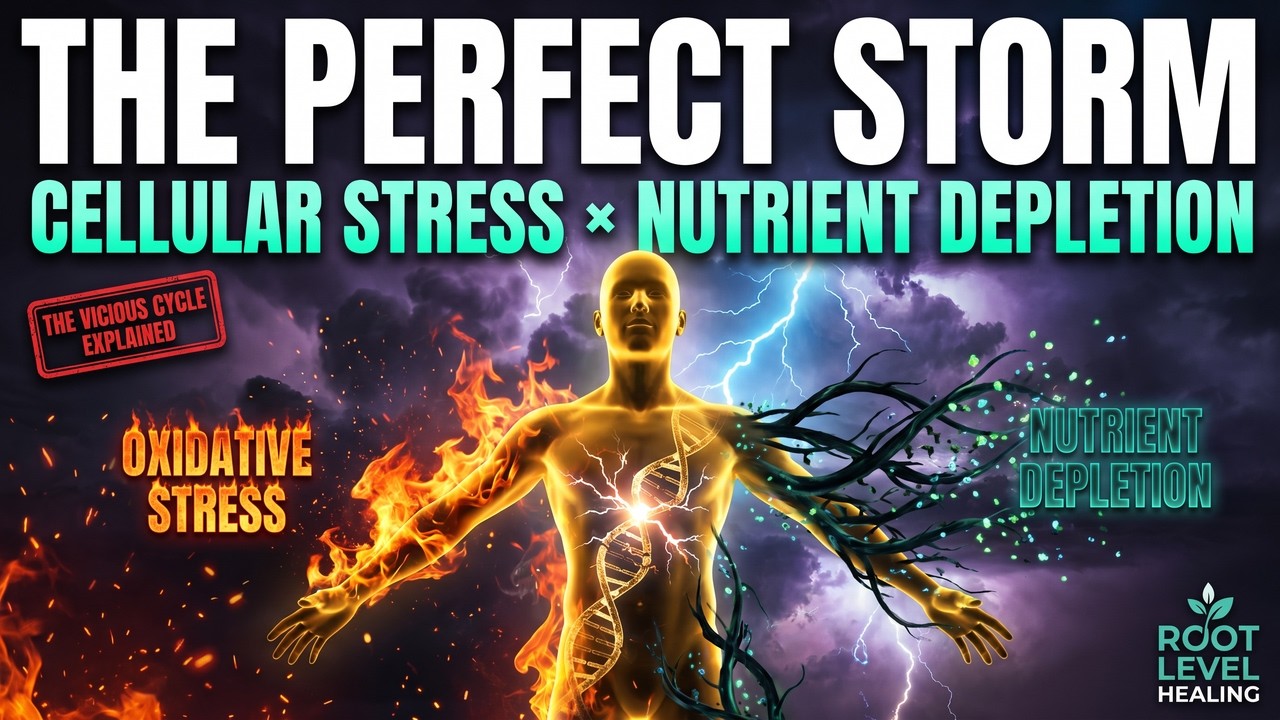
Before we dive deep into the science, watch this quick overview and discover "The Perfect Storm" of cellular damage — learn how alcohol creates a vicious cycle by generating massive oxidative stress while simultaneously depleting the exact nutrients your body needs to defend itself, leading to mitochondrial dysfunction and systemic inflammation.
In This Article:
The Vicious Cycle: How Nutrient Depletion Fuels the Fire
Imagine trying to put out a fire, but the fire itself is burning your water hose. This is precisely what happens in your body when you drink. The process of metabolizing alcohol creates a massive amount of oxidative stress, primarily through the production of acetaldehyde. To combat this, your body relies on its antioxidant defense system, which is heavily dependent on the very nutrients that alcohol is simultaneously depleting.

1. The Antioxidant Defense System is Disarmed
Your body’s primary defense against oxidative stress is a powerful antioxidant called glutathione, which we’ve discussed in a previous series. The production and regeneration of glutathione depend on several key nutrients, including B-vitamins and magnesium. When alcohol depletes these nutrients, your body’s ability to produce glutathione is severely hampered. It’s a double blow: the demand for antioxidants skyrockets just as the supply chain is cut off.
Furthermore, Vitamins C and E, two other critical antioxidants, are also depleted by alcohol. Vitamin C is essential for regenerating Vitamin E after it has neutralized a free radical. Without adequate Vitamin C, Vitamin E is quickly used up, leaving your cell membranes, which are rich in fats, vulnerable to oxidative damage.
2. The Detoxification Engine Sputters
The enzyme alcohol dehydrogenase (ADH), which begins the process of breaking down alcohol, requires zinc as a critical cofactor [5]. As we learned in the last post, alcohol consumption leads to increased zinc excretion. This creates a bottleneck in the detoxification pathway. With less available zinc, ADH function is impaired, leading to a slower metabolism of alcohol and a prolonged presence of toxic acetaldehyde in the body. The longer acetaldehyde lingers, the more damage it can do.
3. The Brain’s Energy Crisis is Exacerbated
Thiamine (Vitamin B1) is essential for carbohydrate metabolism and energy production in the brain. Alcohol not only impairs its absorption but also increases its demand. A deficiency in thiamine can exacerbate the neurotoxic effects of alcohol, leading to more severe cognitive impairment and brain fog. In chronic drinkers, this can lead to the devastating neurological disorder Wernicke-Korsakoff syndrome [3].
The Perfect Storm: A Cascade of Cellular Damage
When the body is stripped of its essential nutrients, the toxic effects of acetaldehyde are magnified, leading to a cascade of cellular damage:

- Mitochondrial Dysfunction: Acetaldehyde directly attacks the mitochondria, the powerhouses of your cells. It impairs their ability to produce ATP (energy), leading to a cellular energy crisis [1], [2]. This is a primary reason for the profound fatigue experienced during a hangover. The lack of magnesium, which is crucial for ATP stability and function, further worsens this energy deficit [4].
- Increased Inflammation: The combination of oxidative stress and nutrient depletion triggers a powerful inflammatory response throughout the body. This systemic inflammation contributes to the general feeling of malaise, body aches, and headaches associated with hangovers.
- DNA Damage: Acetaldehyde is a known carcinogen that can directly bind to and damage DNA. A weakened antioxidant defense system, due to the depletion of key nutrients, leaves your DNA even more vulnerable to this attack.
Understanding this perfect storm is the final piece of the puzzle. It’s the recognition that the symptoms of a hangover are not just a temporary inconvenience but a sign of a deeper, systemic crisis. In our next and final post of this series, we will introduce a comprehensive solution designed to address this perfect storm, providing your body with the targeted support it needs to break the cycle of depletion and damage.
Frequently Asked Questions
Why do I feel so much worse after drinking as I get older?
As we age, our natural production of antioxidants like glutathione decreases, and our ability to absorb and utilize nutrients can decline. This makes us more susceptible to the perfect storm of nutrient depletion and oxidative stress, leading to more severe hangovers.
If I take a lot of vitamins, can I prevent this damage?
While supplementing with vitamins can help, it’s not a complete solution. The timing, form, and combination of nutrients are critical. A targeted approach that addresses the specific deficiencies and metabolic disruptions caused by alcohol is far more effective than a generic multivitamin.
Is there a way to support my body's detoxification process?
Yes. Providing your body with the specific nutrients it needs to produce glutathione, run the ADH enzyme, and protect against oxidative stress can significantly enhance its ability to detoxify alcohol and mitigate the damage. This is the principle behind targeted nutritional support for post-alcohol recovery.
What is acetaldehyde and why is it so damaging?
Acetaldehyde is the primary toxic byproduct produced when your liver breaks down alcohol. It is classified as a Group 1 carcinogen by the World Health Organization and is far more toxic than alcohol itself. It directly attacks mitochondria (disrupting energy production), binds to and damages DNA, and triggers a powerful inflammatory response — all while your nutrient-depleted defenses are too weakened to mount an effective counterattack.
Does the damage from alcohol accumulate over time?
Yes. While a single night of drinking creates a temporary perfect storm, repeated episodes prevent your body from ever fully recovering between events. Each cycle of depletion and oxidative stress leaves a residual deficit — in antioxidant reserves, mitochondrial function, and gut integrity — that compounds over time, which is why the effects of alcohol tend to feel progressively worse as you get older or drink more frequently.
References
- Cui, J., et al. (2019 ). Acetaldehyde Induces Neurotoxicity In Vitro via Oxidative Stress-and Ca2+ Imbalance-Mediated Endoplasmic Reticulum Stress. *Oxidative medicine and cellular longevity*.
- Karadayian, A. G., et al. (2025 ). Molecular mechanism underlying alcohol's residual effects: The role of acetaldehyde in mitochondrial dysfunction at synapses in mouse brain cortex. *Alcohol*.
- Martin, P. R., et al. (2003 ). The role of thiamine deficiency in alcoholic brain disease. *Alcohol research & health*.
- Zheltova, A. A., et al. (2016 ). Magnesium deficiency and oxidative stress: an update. *Biomedicine (Taipei)*.
- Auld, D. S., & Bergman, T. (2008 ). The role of zinc for alcohol dehydrogenase structure and function. *Cellular and Molecular Life Sciences*.

Curious About Your Body's Needs?
Take our free, 3-minute quiz to get a personalized wellness protocol.
Take The QuizExplore More Insights
Visit our blog for more articles on health, wellness, and detoxification.
Read More