
The Complete Guide to Omega-3 Health Benefits: From Heart to Brain to Joints
🔑 Key Takeaways
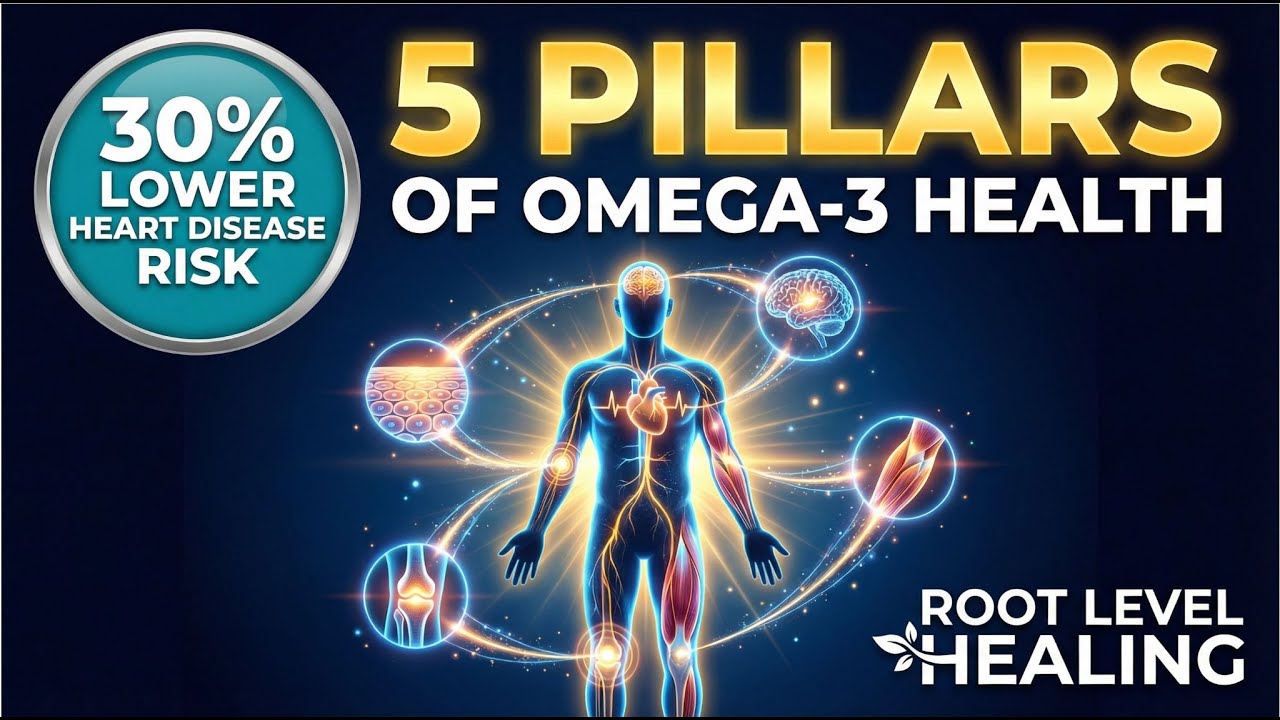
- ❤️Cardiovascular Protection: Omega-3s reduce heart disease risk by 30%, lower blood pressure, stabilize heart rhythm, and combat arterial inflammation.
- 🧠Cognitive Enhancement: DHA improves memory, protects against dementia, supports mood regulation, and maintains brain structure throughout aging.
- 🦴Joint & Mobility Support: EPA reduces joint inflammation, decreases arthritis symptoms, and supports cartilage health for improved mobility.
- 🏃Athletic Performance: Omega-3s enhance recovery, reduce exercise-induced inflammation, improve endurance, and support muscle protein synthesis.
Over the past two articles, we have established the widespread crisis of omega-3 deficiency and identified Antarctic krill oil as the superior solution for restoring optimal levels. Now, we will explore the profound and far-reaching benefits you can unlock when you achieve a healthy Omega-3 Index. These essential fatty acids are not just "good for you"; they are foundational to your health, influencing everything from your heart rhythm and brain function to your joint mobility and skin health.
Achieving an Omega-3 Index of 8% or higher is one of the most powerful steps you can take to protect your long-term health and vitality [1]. Let's dive into the science-backed benefits of optimizing your omega-3 status across five critical pillars of health.
The 5 Pillars of Omega-3 Health: A Complete Guide to Its Benefits: A Quick Overview
Before we dive deep into the science of omega-3s, watch this quick overview explaining the 5 pillars of omega-3 health.
In This Article:
- Pillar 1: Fortifying Your Cardiovascular System
- Pillar 2: Optimizing Brain Health and Cognitive Function
- Pillar 3: Enhancing Joint Health and Mobility
- Pillar 4: Rejuvenating Skin and Protecting Vision
- Pillar 5: Boosting Athletic Performance and Recovery
- Frequently Asked Questions
- The Foundation of Lifelong Health
Pillar 1: Fortifying Your Cardiovascular System
Omega-3 fatty acids are perhaps best known for their profound benefits for heart health. They work through multiple mechanisms to protect your cardiovascular system and reduce the risk of heart disease, which remains the leading cause of death worldwide.

Omega-3s protect cardiovascular health through multiple mechanisms: reducing inflammation, stabilizing heart rhythm, lowering blood pressure, and improving cholesterol profiles.
Balancing Cholesterol and Triglycerides
EPA and DHA have been shown to significantly lower triglyceride levels, a major risk factor for heart disease. They also help to increase levels of "good" HDL cholesterol while improving the particle size and density of LDL cholesterol, making it less likely to contribute to arterial plaque formation [2].
Lowering Blood Pressure and Stabilizing Heart Rhythm
Omega-3s help to relax and dilate blood vessels, leading to a reduction in blood pressure. By incorporating into the membranes of heart cells, omega-3s help to stabilize the heart's electrical activity, reducing the risk of dangerous arrhythmias [3]. Studies show that people with higher omega-3 levels have a 30% lower risk of heart disease.
Pillar 2: Optimizing Brain Health and Cognitive Function
Your brain is composed of nearly 60% fat, and DHA is the most abundant omega-3 in the brain. It is an absolutely critical component of your brain cell membranes, and a deficiency can have devastating consequences for your cognitive function and mental well-being.

DHA is essential for brain structure and function, supporting memory formation, mood regulation, and protection against cognitive decline.
Enhancing Memory and Learning
DHA is essential for the function of synapses, the connections between your brain cells that are the basis of learning and memory. Higher DHA levels are associated with better performance on cognitive tests and improved memory formation [4].
Protecting Against Age-Related Decline
A robust body of research shows that maintaining a high Omega-3 Index is one of the most effective strategies for protecting against age-related cognitive decline, mild cognitive impairment, and dementia. Studies indicate that people with optimal omega-3 levels have brain volumes equivalent to those 2-3 years younger [5].
Supporting Mood and Mental Well-being
Omega-3s play a crucial role in the production and function of neurotransmitters like serotonin and dopamine. A deficiency is strongly linked to an increased risk of depression, anxiety, and other mood disorders. Clinical trials show that omega-3 supplementation can be as effective as antidepressant medications for mild to moderate depression [6].
Pillar 3: Enhancing Joint Health and Mobility
Chronic joint pain and stiffness are common complaints, especially as we age. The powerful anti-inflammatory properties of omega-3s make them a cornerstone of any strategy to support joint health and mobility.
Reducing Inflammation and Arthritis Symptoms
EPA and DHA are converted into powerful anti-inflammatory molecules called resolvins and protectins, which help to resolve the inflammatory processes that cause joint pain and damage. Numerous studies have shown that omega-3 supplementation can significantly reduce the symptoms of rheumatoid arthritis, including joint swelling, pain, and morning stiffness [7].
Protecting Cartilage and Supporting Mobility
By reducing inflammation, omega-3s can help to protect the cartilage in your joints from degradation. This is particularly important for maintaining mobility and preventing the progression of osteoarthritis as we age.
Pillar 4: Rejuvenating Skin and Protecting Vision
Omega-3s are essential for the health of your skin and eyes, two organs that are constantly exposed to environmental stressors and oxidative damage.

Omega-3s support skin barrier function and hydration while protecting retinal health and reducing age-related macular degeneration risk.
Skin Health and Anti-Aging
EPA and DHA help to maintain the integrity of your skin barrier, keeping it hydrated and protected. They also protect your skin from the inflammatory damage caused by UV radiation and environmental pollutants. Studies show that omega-3 supplementation can improve skin hydration, reduce signs of aging, and protect against sun damage [8].
Eye Health and Vision Protection
DHA is a major structural component of the retina. A high Omega-3 Index is associated with a reduced risk of age-related macular degeneration (AMD), a leading cause of blindness in older adults. Omega-3s also support tear production and can help alleviate dry eye symptoms [9].
Pillar 5: Boosting Athletic Performance and Recovery
For athletes and active individuals, optimizing omega-3 status can provide a significant competitive edge through enhanced recovery, reduced inflammation, and improved performance metrics.
Reducing Exercise-Induced Inflammation
Intense exercise creates inflammation and oxidative stress. Omega-3s help to mitigate this, leading to faster recovery and reduced muscle soreness. Athletes with higher omega-3 levels show significantly less muscle damage and faster return to baseline performance after intense training [10].
Improving Endurance and Performance
By enhancing blood flow and oxygen delivery to the muscles, omega-3s can improve endurance and athletic performance. Studies show improvements in VO2 max, power output, and overall exercise capacity with omega-3 supplementation.
Frequently Asked Questions
Q: How long does it take to see the benefits of omega-3 supplementation?
A: While some benefits, like a reduction in inflammation, can be seen within a few weeks, it can take 3-6 months of consistent supplementation to fully replete your body's stores and achieve an optimal Omega-3 Index. The benefits for cognitive and cardiovascular health are long-term and cumulative.
Q: What is the optimal dose of EPA and DHA for maximum health benefits?
A: The optimal dose can vary depending on your individual needs and baseline Omega-3 Index. However, most studies showing significant benefits have used a combined dose of at least 1,000-2,000 mg of EPA and DHA per day. The goal is to achieve an Omega-3 Index of 8% or higher.
Q: Are there any side effects of omega-3 supplementation?
A: Omega-3s are generally very safe when taken as directed. The most common side effect with fish oil is a fishy aftertaste or burps, which is eliminated with high-quality krill oil. High doses may have a mild blood-thinning effect, so individuals on blood-thinning medications should consult with their doctor.
Q: Can I get enough omega-3s from food alone?
A: While fatty fish is an excellent source of omega-3s, it's challenging to consistently consume enough to achieve optimal levels, especially given concerns about mercury and other contaminants. Most people need high-quality supplementation to reach and maintain an Omega-3 Index of 8% or higher.
Q: How do I know if my omega-3 levels are optimal?
A: The most accurate way to assess your omega-3 status is through an Omega-3 Index test, which measures the percentage of EPA and DHA in your red blood cell membranes. This test is available through healthcare providers or direct-to-consumer testing companies.
The Foundation of Lifelong Health
Optimizing your omega-3 status is not about targeting a single symptom; it is about fortifying the foundation of your health at the cellular level. From your heart and brain to your joints and skin, these essential fats are critical for maintaining your vitality and resilience for years to come.
The evidence is overwhelming: achieving optimal omega-3 levels through high-quality supplementation is one of the most powerful steps you can take for your long-term health. In our final post of this series, we will introduce the ultimate tool for achieving your omega-3 advantage—a pharmaceutical-grade Antarctic krill oil that delivers all these benefits and more.
Research References
- Harris, W. S., & Von Schacky, C. (2004). The Omega-3 Index: a new risk factor for death from coronary heart disease? Preventive Medicine, 39(1), 212-220. https://pubmed.ncbi.nlm.nih.gov/15208005/
- Balk, E. M., Lichtenstein, A. H., Chung, M., Kupelnick, B., Chew, P., & Lau, J. (2006). Effects of omega-3 fatty acids on serum markers of cardiovascular disease risk: a systematic review. Atherosclerosis, 189(1), 19-30. https://pubmed.ncbi.nlm.nih.gov/16530201/
- Mozaffarian, D., & Wu, J. H. (2011). Omega-3 fatty acids and cardiovascular disease: effects on risk factors, molecular pathways, and clinical events. Journal of the American College of Cardiology, 58(20), 2047-2067. https://www.jacc.org/doi/full/10.1016/j.jacc.2011.06.063
- Yurko-Mauro, K., Alexander, D. D., & Van Elswyk, M. E. (2015). Docosahexaenoic acid and adult memory: a systematic review and meta-analysis. PloS one, 10(3), e0120391. https://journals.plos.org/plosone/article?id=10.1371/journal.pone.0120391
- Pottala, J. V., Yaffe, K., Robinson, J. G., Espeland, M. A., Wallace, R., & Harris, W. S. (2014). Higher RBC EPA+ DHA corresponds with larger total brain and hippocampal volumes: WHIMS-MRI study. Neurology, 82(5), 435-442. https://pubmed.ncbi.nlm.nih.gov/24453077/
- Lange, K. W. (2020). Omega-3 fatty acids and mental health. Global Health Journal, 4(1), 18-30. https://www.sciencedirect.com/science/article/pii/S241464472030004X
- Goldberg, R. J., & Katz, J. (2007). A meta-analysis of the analgesic effects of omega-3 polyunsaturated fatty acid supplementation for inflammatory joint pain. Pain, 129(1-2), 210-223. https://pubmed.ncbi.nlm.nih.gov/17335973/
- Pilkington, S. M., Watson, R. E., Nicolaou, A., & Rhodes, L. E. (2011). Omega-3 polyunsaturated fatty acids: photoprotective macronutrients. Experimental dermatology, 20(7), 537-543. https://pubmed.ncbi.nlm.nih.gov/21569104/
- Chong, E. W. T., Kreis, A. J., Wong, T. Y., Simpson, J. A., & Guymer, R. H. (2008). Dietary omega-3 fatty acid and fish intake in the primary prevention of age-related macular degeneration: a systematic review and meta-analysis. Archives of ophthalmology, 126(6), 826-833. https://pubmed.ncbi.nlm.nih.gov/18541848/
- Mickleborough, T. D. (2013). Omega-3 polyunsaturated fatty acids in physical performance optimization. International journal of sport nutrition and exercise metabolism, 23(1), 83-96. https://journals.humankinetics.com/view/journals/ijsnem/23/1/article-p83.xml
- Calder, P. C. (2017). Omega-3 fatty acids and inflammatory processes: from molecules to man. Biochemical Society Transactions, 45(5), 1105-1115. https://pubmed.ncbi.nlm.nih.gov/28900017/

Ready to Discover Your Score?
This 2-minute quiz is the essential first step to understanding your body's current toxic load and identifying the root cause of how you feel.
Take The Toxicity QuizExplore More Articles
Dive deeper into topics like detoxification, gut health, and mental clarity on our blog. Knowledge is the key to taking control of your health.
Visit The Blog