The Science of Safe Pet Detoxification: How It Works and Why It Matters
As we've explored in previous articles, our pets face an overwhelming burden of environmental toxins—from heavy metals in pet food to PFAS in packaging and pesticides on lawns. The pet supplement market, projected to reach $4.11 billion by 2030 with 11% annual growth, reflects growing awareness among pet owners that proactive wellness strategies are essential [1]. In fact, 53% of dog owners and 33% of cat owners now use supplements to support their pets' health [2]. But detoxification isn't just for sick pets—it's a science-backed preventive strategy that can safely remove accumulated toxins and support long-term vitality. This article explores how detoxification works, the mechanisms behind natural chelation, and why supporting your pet's elimination pathways may be one of the most important things you can do for their health.
Key Takeaways
- 🧬Natural Detox Systems: The liver, kidneys, and GI tract work together to eliminate toxins, but chronic exposure can overwhelm these systems.
- ⚗️Chelation Science: Chelating agents bind heavy metals into stable, non-toxic complexes that can be safely excreted through urine or feces.
- 🌿Orthosilicic Acid: This bioavailable form of silicon uses ion-exchange properties to gently bind lead, cadmium, mercury, and arsenic without depleting essential minerals.
- 🛡️Preventive Approach: Natural chelation can be used long-term for chronic, low-level detoxification, unlike pharmaceutical chelators reserved for acute poisoning.
The Science of Safe Pet Detoxification: How It Works & Why It Matters (A Quick Overview)
Before we dive deep into the science, watch this quick overview for a breakdown on the science of safe pet detoxification, how natural chelation works, and why supporting your pet's elimination pathways is crucial for their long-term health.
In This Article:
What Is Detoxification?
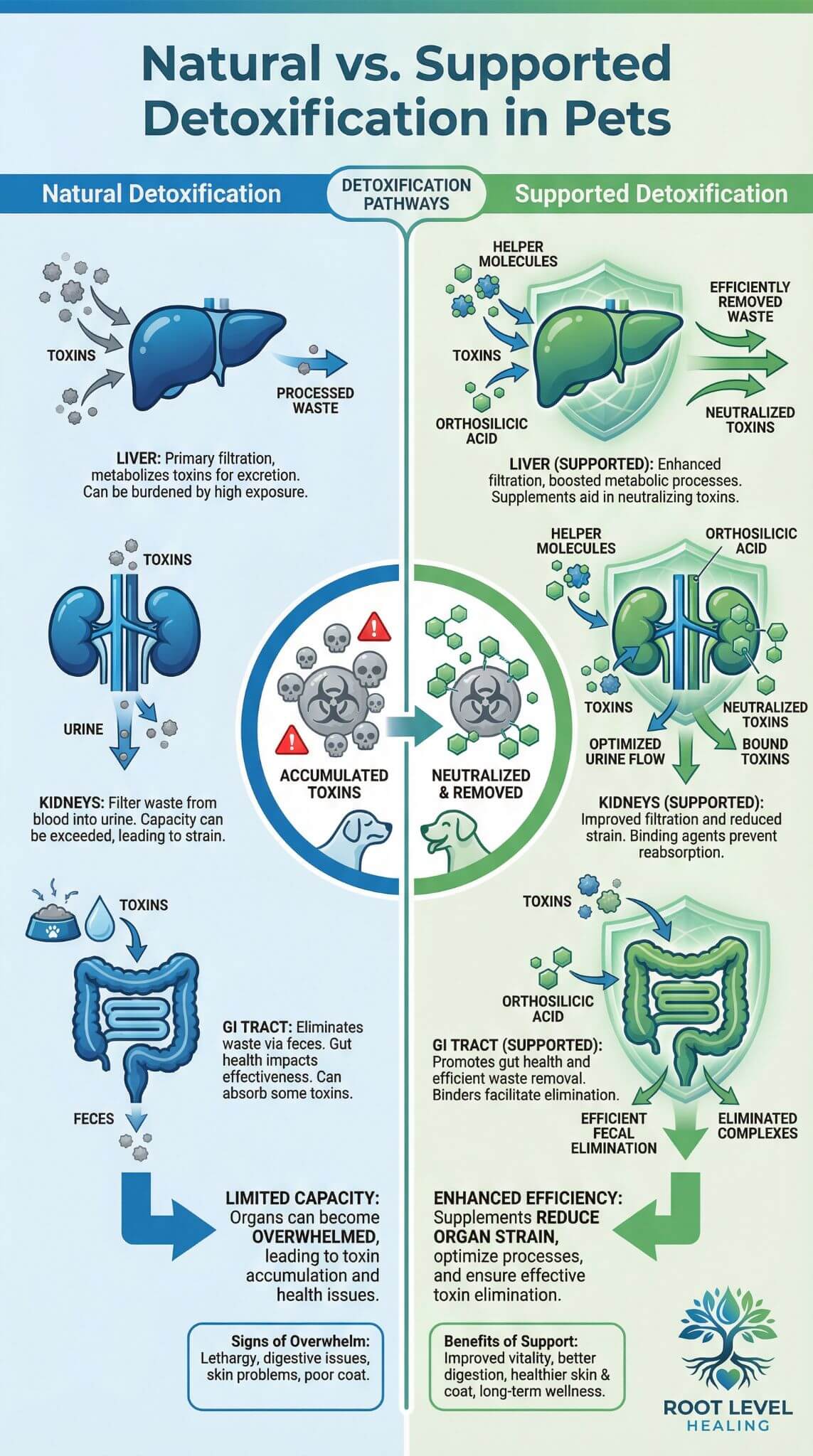
Detoxification is the physiological process by which the body identifies, neutralizes, and eliminates toxic substances. In a healthy animal, this process occurs continuously through a sophisticated network of organs and biochemical pathways. The liver serves as the primary detoxification organ, transforming fat-soluble toxins into water-soluble compounds that can be excreted. The kidneys filter these water-soluble toxins from the blood and eliminate them through urine. The gastrointestinal tract provides a critical barrier function, preventing toxin absorption while facilitating elimination through feces. Even the skin plays a minor role, excreting small amounts of toxins through sweat glands in the paw pads.
However, modern pets face an unprecedented toxic burden that can overwhelm these natural systems. Chronic, low-level exposure to multiple toxins simultaneously—from contaminated food, polluted air, household chemicals, and environmental sources—creates a cumulative effect that exceeds the body's innate capacity to eliminate them. This is where detoxification support becomes essential.
It's important to distinguish between two types of detoxification: therapeutic and preventive. Therapeutic detoxification addresses acute poisoning events, such as a pet ingesting lead paint chips or experiencing sudden heavy metal toxicity. This requires immediate veterinary intervention, often involving pharmaceutical chelators and intensive supportive care. Preventive detoxification, on the other hand, is a proactive wellness strategy designed to support the body's natural elimination pathways and reduce the cumulative toxic burden before it causes clinical disease. This whole-body approach focuses on cellular cleansing, organ support, and elimination enhancement through nutrition, supplementation, and lifestyle modifications.
The Body's Natural Detoxification Systems
Understanding how the body naturally processes and eliminates toxins is essential for appreciating why detoxification support may be necessary.
The Liver: Primary Detoxification Organ
The liver is the body's metabolic powerhouse, responsible for processing virtually every substance that enters the bloodstream. Detoxification occurs in three phases. Phase I, mediated by cytochrome P450 enzymes, modifies toxins through oxidation, reduction, or hydrolysis, making them more reactive but also more vulnerable to further processing. Phase II involves conjugation reactions—such as glutathione conjugation, sulfation, and glucuronidation—that attach molecules to the modified toxins, rendering them water-soluble and less toxic. Phase III transports these conjugated compounds out of liver cells and into bile or blood for elimination.
Heavy metal exposure impairs liver function at multiple levels. Lead toxicity, for example, causes characteristic inclusion bodies to form in liver tissue, disrupting normal cellular function [3]. Cadmium and mercury interfere with Phase II conjugation enzymes, reducing the liver's capacity to neutralize other toxins. This creates a vicious cycle: the more toxins accumulate, the less efficiently the liver can process them.
The Kidneys: Filtration and Excretion
The kidneys filter approximately 180 liters of blood daily in an average dog, removing water-soluble toxins and waste products through urine. Each kidney contains about one million nephrons—microscopic filtering units that selectively reabsorb essential nutrients while excreting toxins. However, heavy metals cause direct renal tubular damage, compromising this filtration capacity. Cadmium, in particular, accumulates in the renal cortex, causing chronic kidney disease over time [4]. When kidney function declines, toxin elimination slows, leading to further accumulation and systemic toxicity. Adequate hydration is critical for optimal kidney function, as it maintains blood flow through the nephrons and facilitates toxin excretion.
The Gastrointestinal Tract
The GI tract serves dual roles in detoxification: preventing toxin absorption and facilitating elimination. The intestinal barrier, composed of tightly joined epithelial cells, selectively allows nutrients to pass while blocking harmful substances. The gut microbiome—trillions of beneficial bacteria—plays an active role in detoxification by metabolizing certain toxins and supporting immune function. However, environmental toxins like BPA disrupt the gut microbiome, reducing microbial diversity and impairing barrier function [5]. This allows more toxins to be absorbed while reducing the efficiency of fecal elimination. Supporting gut health through probiotics and fiber is therefore a critical component of any detoxification protocol.
Why Natural Systems Get Overwhelmed
Several factors explain why pets' natural detoxification systems struggle with modern toxic exposures. Chronic, cumulative exposure means toxins arrive faster than they can be eliminated. Multiple toxins present simultaneously create synergistic effects, where the combined impact exceeds the sum of individual toxins. Age-related decline in organ function reduces detoxification capacity in senior pets. Genetic variations in detoxification enzyme efficiency mean some pets are inherently less able to process certain toxins. Finally, nutritional deficiencies—particularly in antioxidants like glutathione and minerals like zinc—impair the biochemical reactions necessary for detoxification.
Chelation Therapy: The Gold Standard
Chelation therapy represents the most direct and effective method for removing heavy metals from the body. The term "chelation" comes from the Greek word "chele," meaning claw, reflecting how chelating agents grasp and bind metal ions.
What Is Chelation?
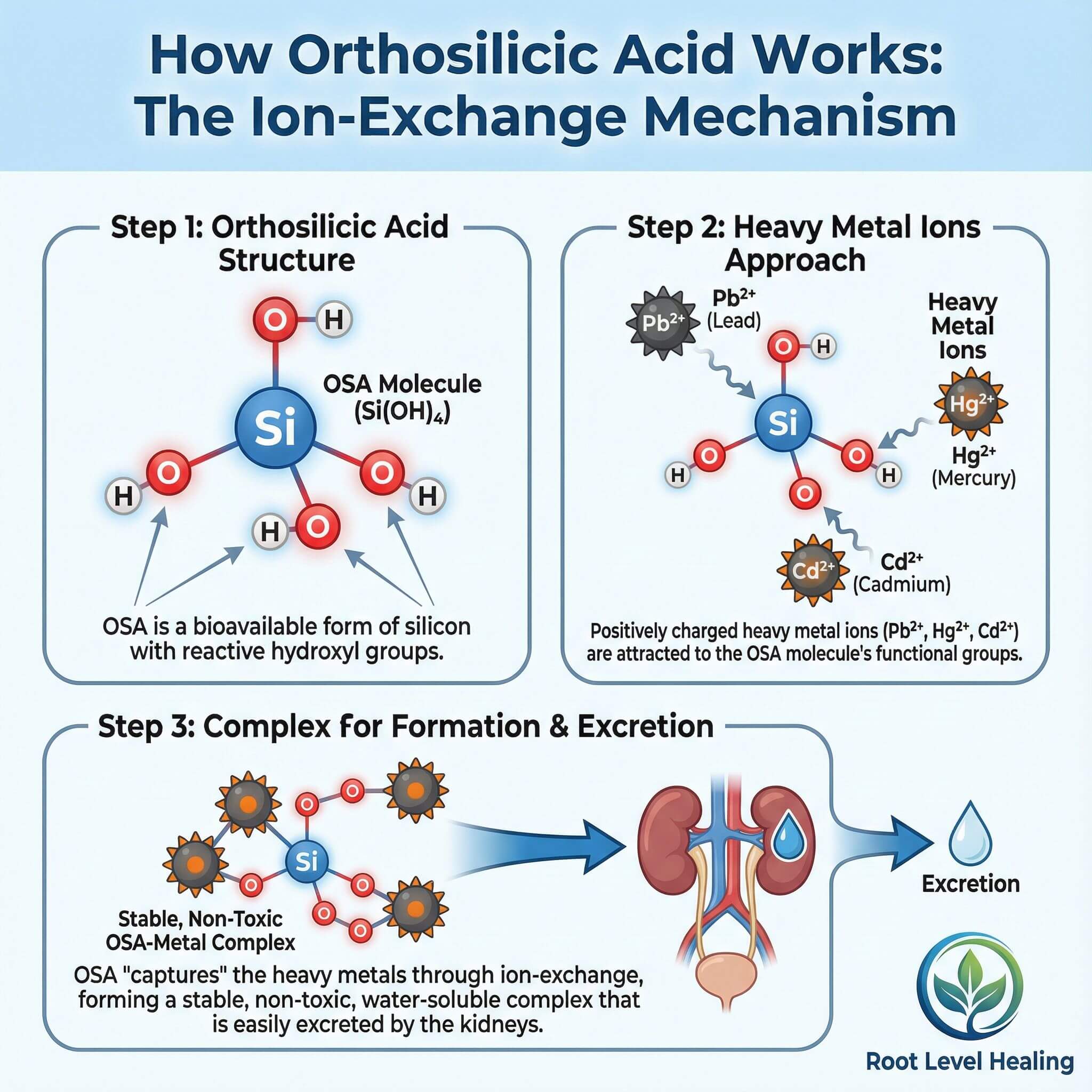
Chelation involves administering a chelating agent—a molecule with specific binding sites that form stable complexes with metal ions. The chelator "captures" the heavy metal, creating a new, non-toxic compound that is water-soluble and easily excreted through urine or feces. This process effectively removes metals that have accumulated in tissues, reducing the toxic burden and allowing organs to recover. Chelation therapy is the veterinary standard of care for acute heavy metal poisoning, with decades of clinical evidence supporting its efficacy.
Pharmaceutical Chelators
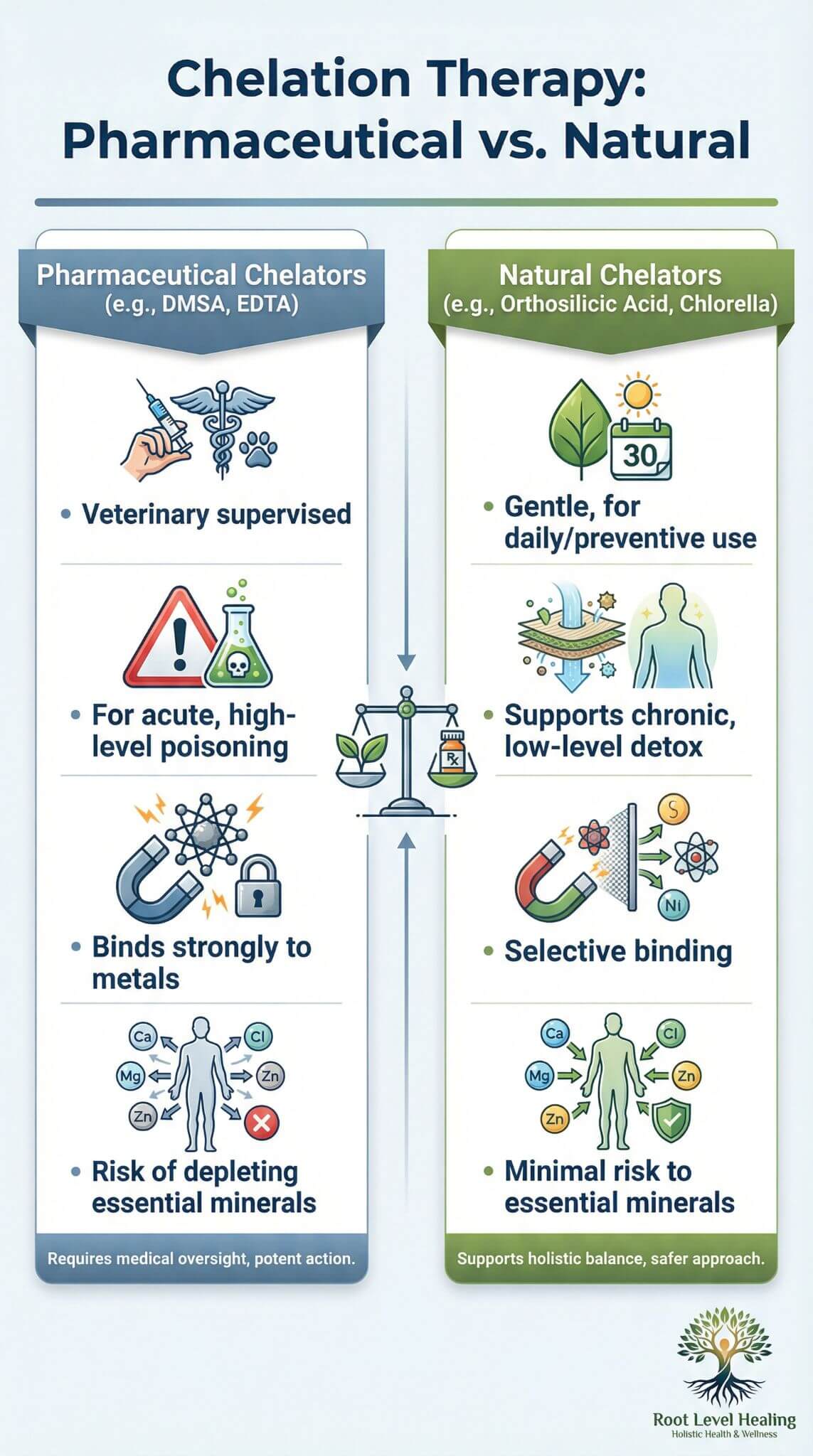
Several pharmaceutical chelators are used in veterinary medicine for treating acute heavy metal toxicity. Succimer (DMSA) is an oral chelator with a wide safety margin, well-tolerated by most pets, and specifically used in feline lead toxicosis [3]. It effectively binds lead, mercury, and arsenic. CaNa2EDTA, administered intravenously or subcutaneously, is highly effective for lead and cadmium but requires veterinary monitoring due to potential side effects. DMPS (2,3-Dimercapto-1-propane sulfonic acid) and penicillamine are additional options for specific metals and clinical situations.
However, pharmaceutical chelators have limitations. They require veterinary supervision and cannot be used casually at home. They can deplete essential minerals like zinc, copper, and magnesium along with toxic metals, necessitating mineral supplementation. Potential side effects include gastrointestinal upset, kidney stress, and allergic reactions. Most importantly, they are designed for acute, high-level poisoning—not for the chronic, low-level detoxification that most pets need.
Natural Chelators
Natural chelators offer a gentler, preventive approach suitable for long-term use. They support the body's natural detoxification pathways without the harsh side effects of pharmaceutical agents. Orthosilicic acid, the focus of this article, uses ion-exchange properties to bind heavy metals. Chlorella, a freshwater algae, has been shown to bind mercury, cadmium, and lead in the GI tract. Cilantro (coriander) mobilizes heavy metals from tissues, though it should be used cautiously and in combination with binders to prevent redistribution. Modified citrus pectin binds metals in the digestive tract and may facilitate systemic elimination.
Chelation Methods Comparison
| Chelator Type | Administration | Metals Targeted | Safety Profile | Use Case |
|---|---|---|---|---|
| Succimer (DMSA) | Oral (veterinary) | Pb, Hg, As | Good, wide margin | Acute toxicity |
| CaNa2EDTA | IV/SubQ (veterinary) | Pb, Cd | Moderate, requires monitoring | Acute toxicity |
| Orthosilicic Acid | Oral (supplement) | Pb, Cd, Hg, As, Al | Excellent, natural | Chronic/preventive |
| Chlorella | Oral (supplement) | Hg, Cd, Pb | Good, natural | Chronic/preventive |
Orthosilicic Acid: The Natural Solution
Orthosilicic acid (H₄SiO₄) represents one of the most promising natural approaches to heavy metal detoxification in pets. As the bioavailable form of silicon—the second most abundant element in Earth's crust after oxygen—orthosilicic acid has been extensively studied for its chelation properties and safety profile.
What Is Orthosilicic Acid?
Orthosilicic acid is a small, water-soluble molecule that represents the major form of silicon absorbed and utilized by both humans and animals [6]. Its small molecular size allows it to be readily absorbed from the small intestine into the bloodstream, where it can exert systemic effects. Unlike crystalline silica (found in sand and quartz), which is inert and potentially harmful if inhaled, orthosilicic acid is a natural, physiological compound that the body recognizes and processes safely.
Mechanism of Action
The chelation properties of orthosilicic acid are rooted in its ion-exchange capabilities. Zeolites, which are aluminosilicates structurally related to orthosilicic acid, have well-described cation-exchange properties that allow them to bind positively charged metal ions [6]. Orthosilicic acid exhibits similar behavior, with its ions readily exchangeable with heavy metal cations such as mercury (Hg²⁺), cadmium (Cd²⁺), lead (Pb²⁺), and arsenic (As³⁺).
Particularly noteworthy is orthosilicic acid's ability to reduce aluminum accumulation. Research demonstrates that it decreases aluminum absorption from the gastrointestinal tract and reduces aluminum accumulation in brain tissue [6]. This dual action—binding metals in the GI tract and facilitating systemic elimination—makes orthosilicic acid uniquely effective. Unlike harsh pharmaceutical chelators that can strip essential minerals, orthosilicic acid provides gentle chelation that selectively targets toxic metals while preserving zinc, magnesium, and other beneficial minerals.
Bioavailability in Animals
One of the key advantages of orthosilicic acid is its cross-species efficacy. The same biochemical mechanisms that allow humans to absorb and utilize silicon apply to dogs, cats, and other companion animals. Stabilized formulations, such as choline chloride-stabilized orthosilicic acid, enhance absorption by releasing a small but significant equilibrium concentration of bioavailable silicon in physiological fluids [6]. Once absorbed from the small intestine, orthosilicic acid distributes systemically, allowing it to bind metals that have accumulated in tissues, not just those in the digestive tract.
Beyond Heavy Metal Chelation
Orthosilicic acid offers benefits that extend beyond detoxification. It supports bone mineralization by enhancing collagen synthesis and calcium deposition, which is particularly important for growing puppies and kittens. It promotes healthy skin, coat, and connective tissue through its role in collagen and elastin formation. Silicon has been shown to enhance immune system function and exhibits antioxidant properties that protect cells from oxidative stress caused by heavy metals [6]. In humans, orthosilicic acid has demonstrated neuroprotective effects, potentially reducing the risk of Alzheimer's disease by preventing aluminum accumulation in the brain—a benefit likely translatable to pets.
Safety Profile
Orthosilicic acid's safety profile is exceptional. As a natural compound with established physiological roles, it produces no harsh side effects when used at appropriate doses. It is well-tolerated for long-term use, making it ideal for preventive detoxification protocols. The wide margin of safety means that even if a pet receives slightly more than the recommended dose, adverse effects are unlikely. This makes orthosilicic acid suitable for daily supplementation in pets at risk of chronic heavy metal exposure.
Research Support
The primary research paper on orthosilicic acid's bioavailability and mechanisms has been cited 311 times in the scientific literature, reflecting its significance and the robust evidence base supporting its use [6]. Decades of use in human supplements have established both efficacy and safety. Modified formulations specifically designed for animal bioavailability are now available, allowing pet owners to provide this science-backed detoxification support to their companions.
Supporting Nutrients and Synergistic Approaches
While orthosilicic acid provides powerful chelation support, detoxification is most effective when approached holistically. Several nutrients work synergistically to enhance the body's natural elimination pathways.
Vitamin C (Ascorbic Acid)
Vitamin C is a powerful antioxidant that supports Phase II liver detoxification by enhancing glutathione production. Glutathione is the body's master antioxidant, critical for conjugating toxins in the liver. Heavy metals generate oxidative stress, depleting glutathione reserves; vitamin C helps replenish them. Vitamin C is often combined with chelators to provide antioxidant protection during the detoxification process.
Glutathione and Precursors
Glutathione itself is poorly absorbed when taken orally, so supplementation typically involves precursors like N-acetylcysteine (NAC) or alpha-lipoic acid, which the body converts into glutathione. These compounds support Phase II conjugation reactions, allowing the liver to process and eliminate toxins more efficiently.
Essential Minerals
Zinc, selenium, and magnesium serve as cofactors for detoxification enzymes. They also provide competitive inhibition, meaning they can displace toxic metals from binding sites in the body. For example, adequate zinc intake reduces cadmium absorption. However, mineral supplementation must be balanced—excessive zinc can interfere with copper absorption, so working with a veterinarian or veterinary nutritionist is advisable.
Milk Thistle (Silymarin)
Milk thistle is hepatoprotective, meaning it protects liver cells from damage. It supports liver regeneration, enhances antioxidant activity, and has been used for centuries to treat liver conditions. During detoxification, milk thistle helps ensure the liver can handle the increased workload of processing mobilized toxins.
Probiotics
Probiotics restore the gut microbiome, which is often disrupted by environmental toxins like BPA and pesticides. A healthy microbiome supports GI barrier function, preventing toxin absorption, and aids elimination by metabolizing certain toxins and promoting regular bowel movements.
Hydration
Adequate water intake is perhaps the simplest yet most critical component of detoxification. Hydration supports kidney function, enhances toxin elimination through urine, and maintains blood flow through all detoxification organs. Pets should have constant access to clean, filtered water.
Detoxification Support Nutrients
| Nutrient | Primary Function | Mechanism | Dosage Considerations |
|---|---|---|---|
| Orthosilicic Acid | Heavy metal chelation | Ion exchange, binding | Species/size-specific |
| Vitamin C | Antioxidant, liver support | Glutathione production | Water-soluble, safe |
| Glutathione/NAC | Master antioxidant | Phase II conjugation | Precursors preferred |
| Zinc | Enzyme cofactor | Competitive inhibition | Balance with copper |
| Probiotics | Gut health | Microbiome restoration | Strain-specific |
Safe Detoxification Protocols
Implementing a detoxification protocol for your pet requires a thoughtful, gradual approach that prioritizes safety and supports all elimination pathways.
Principles of Safe Detox
The golden rule of detoxification is "start low, go slow." Introducing chelators or detoxification supplements too quickly can mobilize toxins faster than the body can eliminate them, leading to redistribution and potential worsening of symptoms. Begin with low doses and gradually increase over several weeks, monitoring your pet's response. Support all detoxification organs—liver, kidneys, and GI tract—simultaneously through nutrition and supplementation. Ensure your pet drinks plenty of water to facilitate kidney function and toxin excretion. Monitor for adverse reactions such as increased lethargy, digestive upset, or behavioral changes, and reduce the dose or pause supplementation if these occur. For pets with existing health conditions, work closely with a veterinarian to ensure detoxification protocols are safe and appropriate.
Sample Protocol
A basic preventive detoxification protocol might include orthosilicic acid at the manufacturer's recommended dose based on your pet's weight, administered daily with food. Add a high-quality probiotic to support gut health and elimination. Include vitamin C at a dose appropriate for your pet's size (consult a veterinarian for specific recommendations). Provide milk thistle extract to support liver function, particularly during the initial weeks of detoxification. Ensure constant access to clean, filtered water. Continue the protocol for 8-12 weeks for an initial detoxification phase, then reduce to a maintenance dose or cycle on and off (e.g., two weeks on, one week off).
When to Seek Veterinary Guidance
While preventive detoxification can be managed at home, certain situations require professional oversight. If your pet has been diagnosed with heavy metal toxicity, veterinary chelation therapy may be necessary. Pets with pre-existing liver or kidney disease require careful monitoring during detoxification, as these organs are already compromised. If your pet shows signs of acute toxicity—such as seizures, severe vomiting, or collapse—seek emergency veterinary care immediately. Finally, before starting any supplement regimen, particularly for pets on medications, consult your veterinarian to avoid potential interactions.
Frequently Asked Questions
Q: Can I use detoxification supplements for my pet without a vet's approval?
A: For healthy pets, preventive detoxification using natural supplements like orthosilicic acid, probiotics, and vitamin C is generally safe and can be done without veterinary approval. However, if your pet has existing health conditions—particularly liver or kidney disease—or is on medications, consult your veterinarian first to ensure there are no contraindications or interactions.
Q: How long does it take to see results from a detoxification protocol?
A: Detoxification is a gradual process. Some pet owners report improved energy, coat quality, and digestion within 2-4 weeks. However, reducing the body's overall toxic burden—particularly for heavy metals that have accumulated over years—typically requires 8-12 weeks of consistent supplementation. Long-term maintenance protocols provide ongoing support.
Q: Is orthosilicic acid safe for long-term use?
A: Yes, orthosilicic acid has an excellent safety profile and is suitable for long-term use. As a natural, physiological compound, it does not produce the harsh side effects associated with pharmaceutical chelators. It can be used daily for preventive detoxification or cycled (e.g., two weeks on, one week off) depending on your pet's needs.
Q: Will detoxification supplements deplete my pet's essential minerals?
A: Pharmaceutical chelators like EDTA can deplete essential minerals such as zinc, magnesium, and copper, which is why they require veterinary supervision and mineral supplementation. Natural chelators like orthosilicic acid are gentler and more selective, targeting toxic metals while preserving beneficial minerals. However, it's still wise to provide a balanced diet and consider a high-quality multivitamin during detoxification.
Q: Can I detox my pet if they're currently sick?
A: Detoxification protocols should generally be avoided during acute illness, as they can place additional stress on the body. Wait until your pet has recovered from acute conditions before starting a detoxification regimen. For pets with chronic illnesses, work with your veterinarian to develop a gentle, supervised protocol that supports rather than overwhelms their system.
Q: What's the difference between detoxification and chelation?
A: Chelation is a specific type of detoxification focused on removing heavy metals using chelating agents that bind metal ions. Detoxification is a broader term encompassing all processes that eliminate toxins from the body, including liver metabolism, kidney filtration, and GI elimination. A comprehensive detoxification protocol includes chelation (for heavy metals) plus support for all natural elimination pathways.
Q: Are there any side effects from natural detoxification?
A: Natural detoxification is generally well-tolerated, but some pets may experience mild, temporary side effects as toxins are mobilized and eliminated. These can include slight digestive upset, increased thirst or urination, temporary fatigue, or changes in stool consistency. These symptoms typically resolve within a few days. If they persist or worsen, reduce the dose or pause supplementation and consult your veterinarian.
Q: Should I detox my pet seasonally or continuously?
A: The approach depends on your pet's exposure risk. Pets living in high-risk environments (urban areas, pre-1980 homes, near industrial sites) may benefit from continuous, low-dose preventive detoxification. For average-risk pets, seasonal detoxification protocols (e.g., 8-12 weeks twice per year) can provide effective support. Cycling protocols (two weeks on, one week off) offer a middle ground.
Q: Can puppies and kittens undergo detoxification?
A: Young animals are more vulnerable to heavy metal toxicity due to higher GI absorption and developing organ systems. However, aggressive detoxification protocols are generally not recommended for puppies and kittens unless there is confirmed heavy metal exposure. Instead, focus on preventive measures: high-quality food, filtered water, and minimizing environmental exposures. If detoxification is necessary, use very gentle protocols under veterinary supervision.
Q: How do I know if my pet needs detoxification?
A: Any pet exposed to known risk factors—such as living in a pre-1980 home, eating commercial pet food (particularly fish-based diets), or residing in urban or industrial areas—can benefit from preventive detoxification. Clinical signs that may indicate toxic burden include chronic digestive issues, unexplained lethargy, poor coat quality, frequent infections, or behavioral changes. Blood testing can confirm heavy metal exposure if toxicity is suspected.
Q: Does detoxification replace veterinary treatment for heavy metal poisoning?
A: No. Natural detoxification protocols are designed for preventive wellness and chronic, low-level exposure. Acute heavy metal poisoning requires immediate veterinary intervention with pharmaceutical chelators, supportive care, and monitoring. Natural detoxification can be used as follow-up support after acute treatment or as a preventive strategy to reduce cumulative toxic burden.
Q: Can I combine multiple detoxification supplements?
A: Yes, combining synergistic supplements—such as orthosilicic acid, vitamin C, probiotics, and milk thistle—can enhance detoxification. However, introduce supplements one at a time, starting with low doses, to monitor your pet's response and identify any that may cause sensitivity. Avoid combining multiple chelators simultaneously without veterinary guidance, as this can overwhelm elimination pathways.
References
- Grand View Research. Pet Supplements Market Size, Share & Trends Analysis Report. 2023. https://www.grandviewresearch.com/industry-analysis/pet-supplements-market
- American Pet Products Association. Pet Supplement Usage Statistics. 2024. https://americanpetproducts.org/news/the-american-pet-products-association-appa-releases-2024-dog-and-cat-owner-insight-report
- Knight TE, Kumar MSA. Lead toxicosis in cats—a review. J Feline Med Surg. 2003;5(5 ):249-255. https://pubmed.ncbi.nlm.nih.gov/12948499/
- Sears ME. Chelation: Harnessing and Enhancing Heavy Metal Detoxification. ScientificWorldJournal. 2013;2013:219840. https://www.proquest.com/docview/1428013082
- Du J, et al. Individual and combined contamination of the toxic metals in commercial cat and dog food. Sci Rep. 2025. https://www.nature.com/articles/s41598-025-98066-0
- Jugdaohsingh R, et al. Dietary silicon intake and absorption. Am J Clin Nutr. 2002;75(5 ):887-893. https://www.sciencedirect.com/science/article/pii/S000291652306210X

Ready to Discover Your Score?
This 2-minute quiz is the essential first step to understanding your body’s current toxic load and identifying the root cause of how you feel.
Take The Toxicity QuizExplore More Articles
Dive deeper into topics like detoxification, gut health, and mental clarity on our blog. Knowledge is the key to taking control of your health.
Visit The Blog