
Why You Feel Drained, Anxious, and Sore After Drinking
Key Takeaways
- 😴Sleep Disruption: Alcohol suppresses restorative REM sleep, leading to fragmented, poor-quality rest and next-day cognitive impairment.
- 🧠Neurochemical Imbalance: The "GABA/Glutamate rebound effect" leaves the brain in a hyperexcitable state, causing feelings of anxiety and unease.
- 💪Dehydration & Electrolyte Loss: Alcohol's diuretic effect depletes fluids and essential minerals like magnesium, impairing muscle function and causing soreness.
Why You Feel Drained, Anxious & Sore After Drinking (The Science of Hangxiety): A Quick Overview
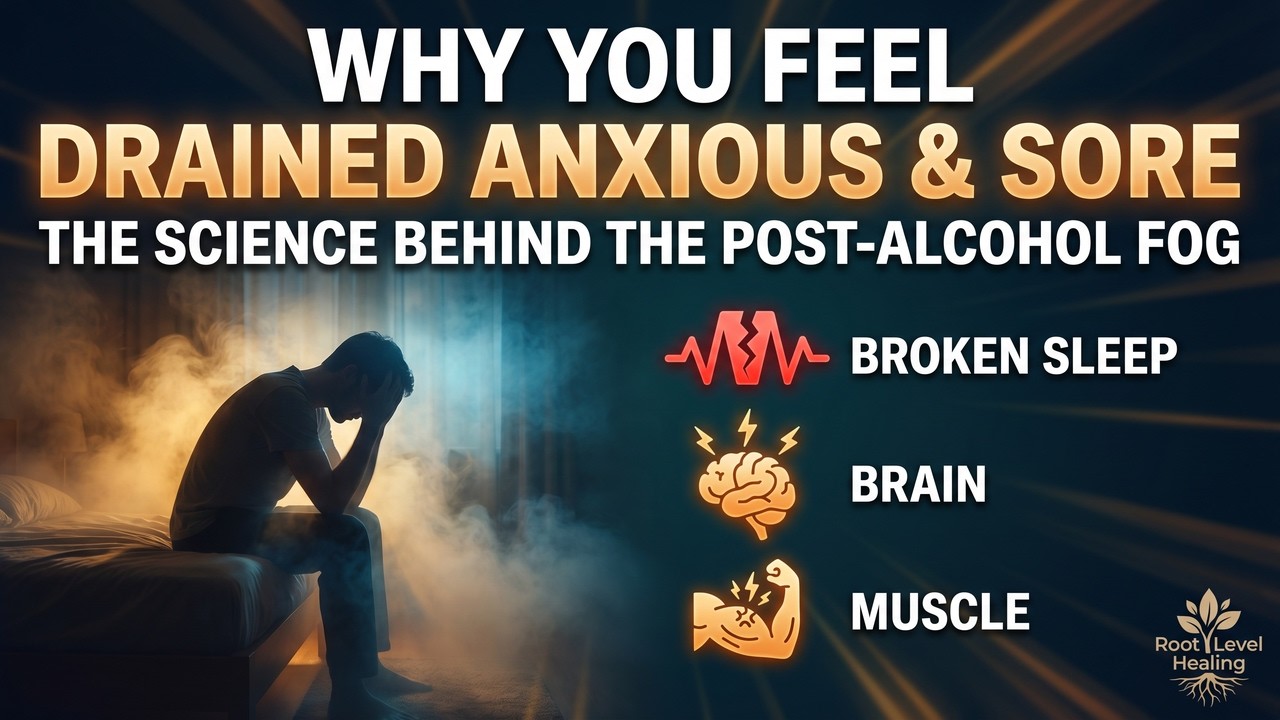
Before we dive deep into the science, watch this quick overview and discover the science behind the post-alcohol fog — learn why drinking disrupts your REM sleep, triggers the "GABA/Glutamate rebound effect" that causes hangxiety, and depletes critical electrolytes like magnesium, leaving your muscles aching and sore..
In This Article:
We've all been there. A night of celebration, connection, and a few enjoyable drinks. But the next morning, a familiar, unwelcome guest arrives. It's not just the headache or the dry mouth; it's a pervasive, heavy fog that settles over your mind and body. You feel physically drained, your thoughts are clouded, your mood is inexplicably low, and even your muscles seem to ache in protest. This is the post-alcohol fog, a complex and multifaceted experience that goes far beyond a simple hangover.
While we often focus on the immediate symptoms, the reality is that alcohol sets off a cascade of physiological events that disrupt your body's delicate equilibrium. In this post, we'll pull back the curtain on the science behind why you feel so drained, anxious, and sore after drinking, revealing the intricate ways alcohol impacts your sleep, brain chemistry, and muscular system.
The Energy Crash Explained: The Myth of a Good Night's Sleep
It's a common belief that a drink or two before bed can help you drift off to sleep. And while alcohol is a sedative that can indeed reduce the time it takes to fall asleep, this initial effect is deceptive. The sleep that follows is anything but restful. Alcohol significantly disrupts your natural sleep architecture, particularly the most crucial stage for mental and physical restoration: Rapid Eye Movement (REM) sleep. [1]
As your body metabolizes the alcohol throughout the night, the sedative effect wears off, leading to a "rebound effect." This causes more frequent awakenings, lighter sleep, and a dramatic reduction in REM sleep, especially during the second half of the night. [2] REM sleep is when your brain consolidates memories, processes emotions, and recharges for the day ahead. When this stage is suppressed, you wake up feeling mentally groggy, unfocused, and emotionally flat, regardless of how many hours you were technically "asleep." This profound sleep disruption is a primary driver of the debilitating fatigue that characterizes the post-alcohol fog.

Alcohol fragments sleep and suppresses the restorative REM stage, leading to next-day fatigue.
The Science of "Hangxiety": A Neurochemical Rollercoaster
That vague, unsettling feeling of anxiety, irritability, and dread that can accompany a hangover has a name: "hangxiety." This is not just a psychological phenomenon; it's a direct result of alcohol's powerful influence on your brain's primary neurotransmitters, GABA (gamma-aminobutyric acid) and glutamate. [3]
Think of GABA as your brain's primary "brake pedal." It's an inhibitory neurotransmitter that promotes feelings of calm and relaxation. Alcohol enhances the effects of GABA, which is why a drink can initially make you feel less anxious and more sociable. In response to this artificial braking, your brain attempts to maintain balance by ramping up the production of glutamate, the brain's primary "gas pedal." Glutamate is an excitatory neurotransmitter responsible for alertness and cognitive function.
As the alcohol leaves your system, the artificial GABA boost disappears, but the oversupply of glutamate remains. Your brain's engine is now revving in overdrive with no brakes. This neurochemical imbalance creates a state of hyperexcitability, leading to the classic symptoms of hangxiety: heightened anxiety, restlessness, irritability, and an inability to focus. Your brain is, quite literally, in a state of withdrawal from the sedative effects of alcohol.

The GABA/Glutamate rebound effect is the neurochemical basis for post-alcohol anxiety, or "hangxiety."
Why Your Muscles Ache: The Dehydration and Electrolyte Drain
The physical discomfort that follows a night of drinking isn't just in your head. The muscle soreness, cramps, and general feeling of weakness are rooted in two key physiological processes: dehydration and electrolyte imbalance.
Alcohol is a potent diuretic, meaning it causes your body to lose more fluid than it takes in. This dehydration directly impacts your muscles, which are composed of about 75% water. When dehydrated, muscle cells can't function optimally, leading to cramps, stiffness, and soreness. [4]
Furthermore, this increased fluid loss flushes out critical electrolytes like magnesium and potassium. These minerals are essential for proper muscle and nerve function. Magnesium, in particular, plays a vital role in muscle relaxation. When your magnesium levels are depleted, your muscles can't fully relax, leading to the tension, aches, and spasms that are all too common after drinking. [5] This electrolyte drain, combined with dehydration and the inflammatory response triggered by alcohol, creates the perfect storm for widespread muscular discomfort.

Dehydration and electrolyte loss are key contributors to the muscle aches and cramps experienced after drinking.
Frequently Asked Questions
Q: Why do I feel more anxious the day after drinking, even if I was relaxed while drinking?
A: This is due to the GABA/glutamate rebound effect. Alcohol initially enhances the calming neurotransmitter GABA, but your brain compensates by increasing the excitatory neurotransmitter glutamate. When the alcohol wears off, you're left with an excess of glutamate, leading to feelings of anxiety and restlessness.
Q: Does the type of alcohol I drink affect how bad the post-alcohol fog is?
A: While the amount of alcohol consumed is the primary factor, certain types of alcoholic beverages, particularly darker liquors and red wine, contain congeners, which are byproducts of fermentation that can worsen hangover symptoms, including the post-alcohol fog.
Q: Can I just sleep it off?
A: While rest is important, "sleeping it off" is often not enough to combat the post-alcohol fog. Because alcohol disrupts the quality of your sleep, especially REM sleep, you may wake up feeling unrested no matter how long you stay in bed. The underlying neurochemical and physiological imbalances need to be addressed.
Q: How can I reduce the post-alcohol fog?
A: Hydration is key. Drinking plenty of water before, during, and after alcohol consumption can help mitigate dehydration. Replenishing electrolytes with a balanced meal or a supplement can also help with muscle soreness. However, addressing the deeper neurochemical and sleep disruptions requires a more comprehensive approach, which we will explore in future posts.
Q: Is the post-alcohol fog the same as a hangover?
A: The post-alcohol fog is a key component of a hangover, but it specifically refers to the cognitive and emotional symptoms—the brain fog, fatigue, and anxiety. A hangover is the broader collection of symptoms, which also includes physical symptoms like headache, nausea, and sensitivity to light and sound.
References
- Sleep Foundation. (2025, October 23 ). Alcohol and Sleep. https://www.sleepfoundation.org/nutrition/alcohol-and-sleep
- Ebrahim, I. O., Shapiro, C. M., Williams, A. J., & Fenwick, P. B. (2013 ). Alcohol and sleep I: effects on normal sleep. Alcoholism, clinical and experimental research, 37(4), 539–549. https://pubmed.ncbi.nlm.nih.gov/23347102/
- CeDAR. (n.d. ). GABA/Glutamate System and PAWS. Center for Dependency, Addiction and Rehabilitation. https://cedarcolorado.org/gaba-glutamate-system-and-paws/
- Confidant Health. (n.d. ). 6 Reasons Your Body Aches After Drinking. https://www.confidanthealth.com/help-with-alcohol-use/reasons-your-body-aches-after-drinking
- American Addiction Centers. (2024, March 8 ). Alcoholic Myopathy: Causes, Symptoms & Treatment. https://americanaddictioncenters.org/alcohol/risks-effects-dangers/myopathy
Ready to Discover Your Score?
Take our 2-minute quiz to learn about your body's toxic burden and how you can support your natural detoxification systems.
Take The Toxicity QuizExplore More Articles
Visit our blog for more in-depth articles on liver health, detoxification, and the science behind a healthier you.
Visit The Blog